US–Canada Trade Tensions Expose a Deeper Shift in North American Power
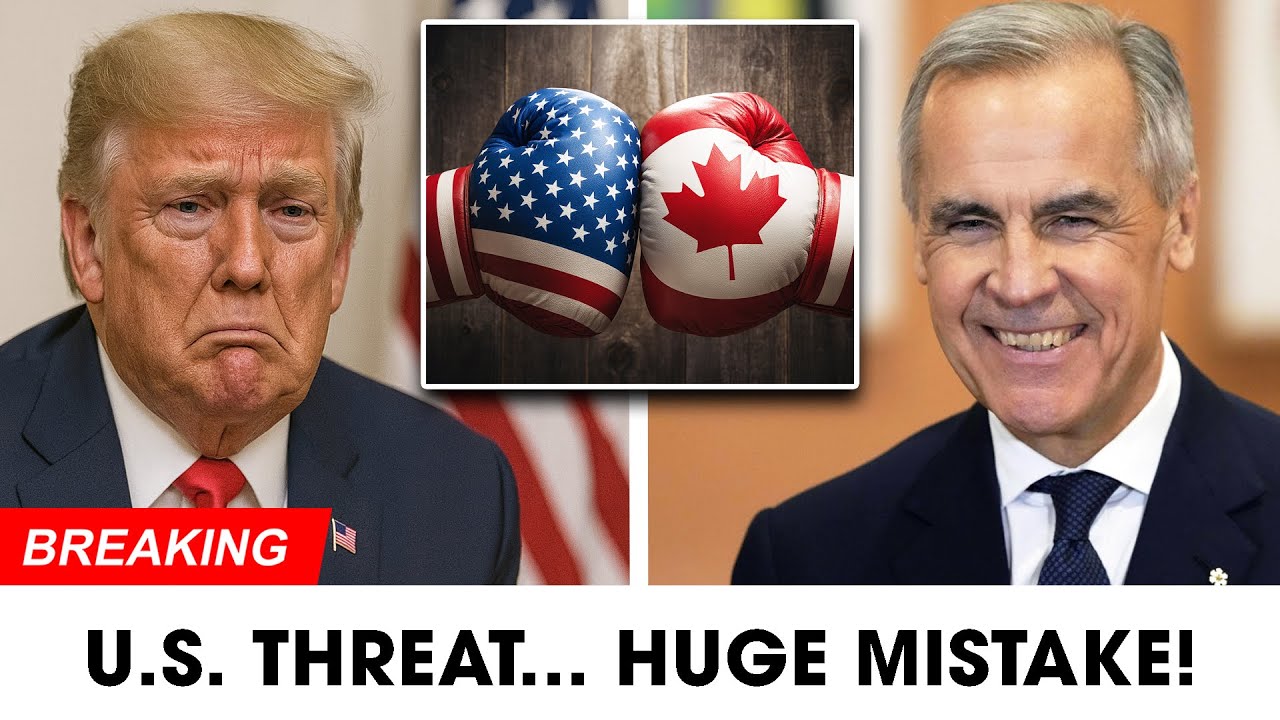
Recent headlines about Washington warning Canada have sounded dramatic, even theatrical. Yet beneath the rhetoric lies something far more consequential: a stress test of the economic framework that has underpinned North American stability for decades. This episode is not just political posturing, but a revealing moment about how power functions in an era of deep interdependence.
At the center of the dispute is the USMCA, the legal backbone governing trade, investment, and supply chains across the United States, Canada, and Mexico. Threats to let the agreement lapse or reopen it for pressure-based renegotiation are not symbolic gestures. They unsettle manufacturers, workers, investors, and communities whose livelihoods depend on predictable cross-border rules.
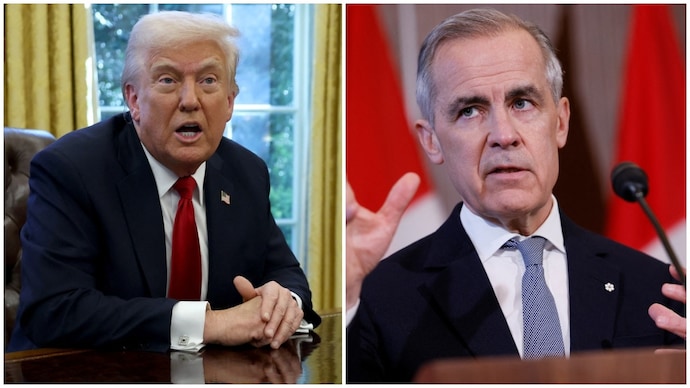
Washington’s assumption appears straightforward. As the largest economy in the bloc, the United States believes it can leverage its size to force concessions from a smaller partner. By that logic, signaling instability should compel compliance. But economic history repeatedly shows that interdependence rarely bends so cleanly to power politics.
Canada’s response defied expectations. Rather than panic or seek appeasement, Ottawa and the business community treated the warning as confirmation of a long-simmering risk: overreliance on an increasingly unpredictable partner. The result was not retreat, but acceleration—faster market diversification, expanded energy exports beyond the U.S., and deeper ties with Europe and Asia.
That shift carries real consequences. Capital flows toward stability, not slogans. As Washington signaled uncertainty around foundational trade rules, investors began reassessing U.S. risk, not Canadian weakness. Canada’s predictability, legal continuity, and broad trade network suddenly became competitive advantages in a volatile global environment.

Inside the United States, the effects moved in the opposite direction. Manufacturers delayed investment, hiring slowed, and supply chains built on decades of integration appeared fragile. Uncertainty—once wielded as leverage—became a drag on growth, consumer confidence, and industrial momentum.
This moment exposes a paradox of modern power. Weaponizing dependence teaches partners how to reduce it. As Canada strengthened domestic production and shortened supply chains, U.S. industries found their own reliance on Canadian inputs more visible and more costly. Pressure aimed outward began rebounding inward.
The broader lesson extends beyond this dispute. In a global economy defined by mobility of capital and complexity of supply chains, power is no longer measured by size alone. It rests on credibility, stability, and trust. As Canada adapts through resilience and diversification, and the United States grapples with the costs of unpredictability, North America is quietly entering a new phase—one where stability itself has become the most valuable currency.