Tariffs on Fertilizer Could Backfire: How Trump’s Potash Threat Risks Hitting U.S. Farmers First
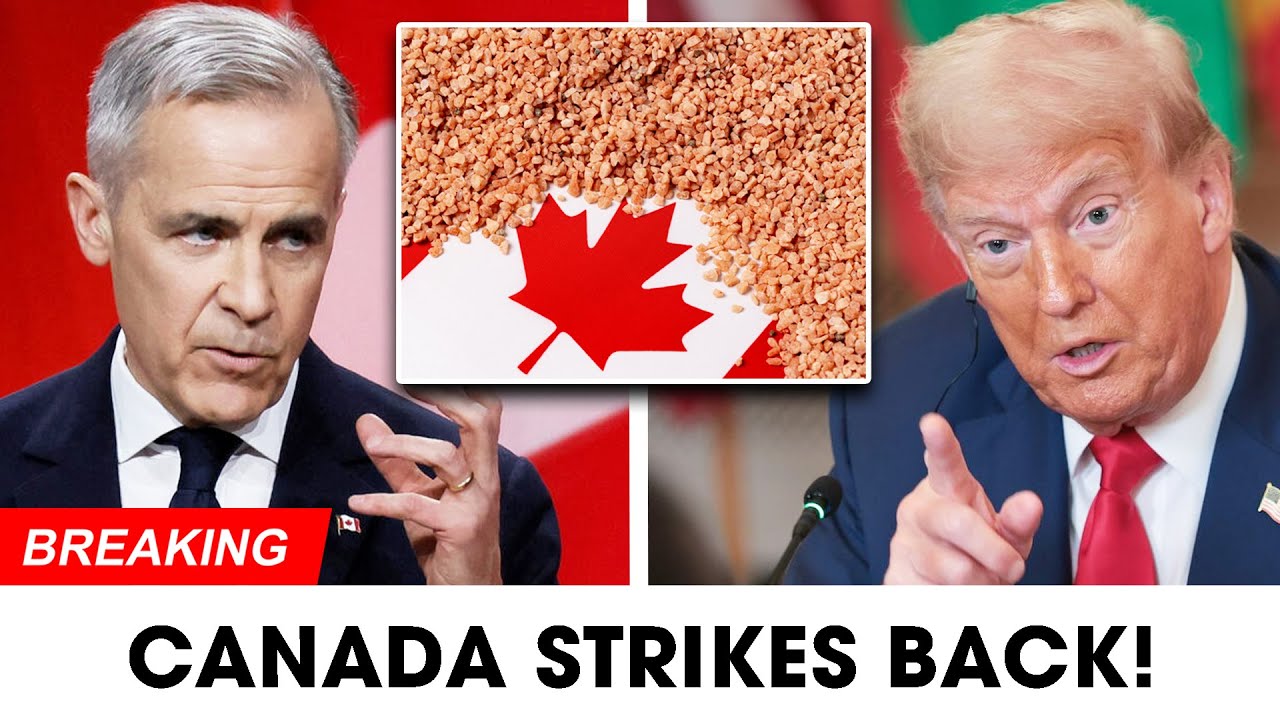
When news emerged that President Donald Trump was considering tariffs on imported fertilizer, many initially dismissed it as routine trade-war theater. But a closer look at proposed tariffs on potash reveals a far more consequential reality—one that could destabilize U.S. agriculture and raise food prices nationwide.
Potash is not a marginal commodity. It is a critical fertilizer input for corn, soybeans, wheat, and other staple crops, and the United States depends heavily on imports—primarily from Canada’s Saskatchewan province. Any disruption to that supply strikes directly at the heart of America’s farming system.

For U.S. farmers, fertilizer is among the largest operating costs. Even small price increases, when spread across thousands of acres, can erase already-thin profit margins. At a time of tight credit and volatile commodity prices, higher fertilizer costs amount to a direct hit on rural livelihoods.
Canada, meanwhile, is far less vulnerable than Washington assumes. As the world’s most reliable potash supplier, it can redirect exports to Asia, Europe, and South America with relative ease. Tariffs would not cripple Canadian producers—but they would leave U.S. buyers paying more.
The idea that tariffs could quickly revive domestic potash production ignores geological and institutional reality. Building mines takes decades of investment, infrastructure, and regulatory approvals. Canada spent generations developing its advantage; it cannot be replicated by decree.
History offers a warning. Previous tariff wars forced the U.S. government to spend billions compensating farmers for self-inflicted losses. Those funds came from taxpayers, diverting money from healthcare, infrastructure, and rural development—while failing to solve the underlying problem.
As Washington escalates pressure, Ottawa is quietly adapting. Canada is diversifying trade, strengthening ties with Asia and Europe, and positioning itself as a stable supplier of food, energy, and critical minerals—reducing reliance on the U.S. market.
The irony is stark. Tariffs meant to project American strength risk accelerating Canadian independence while burdening U.S. farmers and consumers. In today’s interconnected economy, power built on pressure often backfires—while stability and trust endure.