DHS Secretary Christine Noem Walks Out of Congress as Judge Weighs Criminal Contempt Over Illegal Deportations
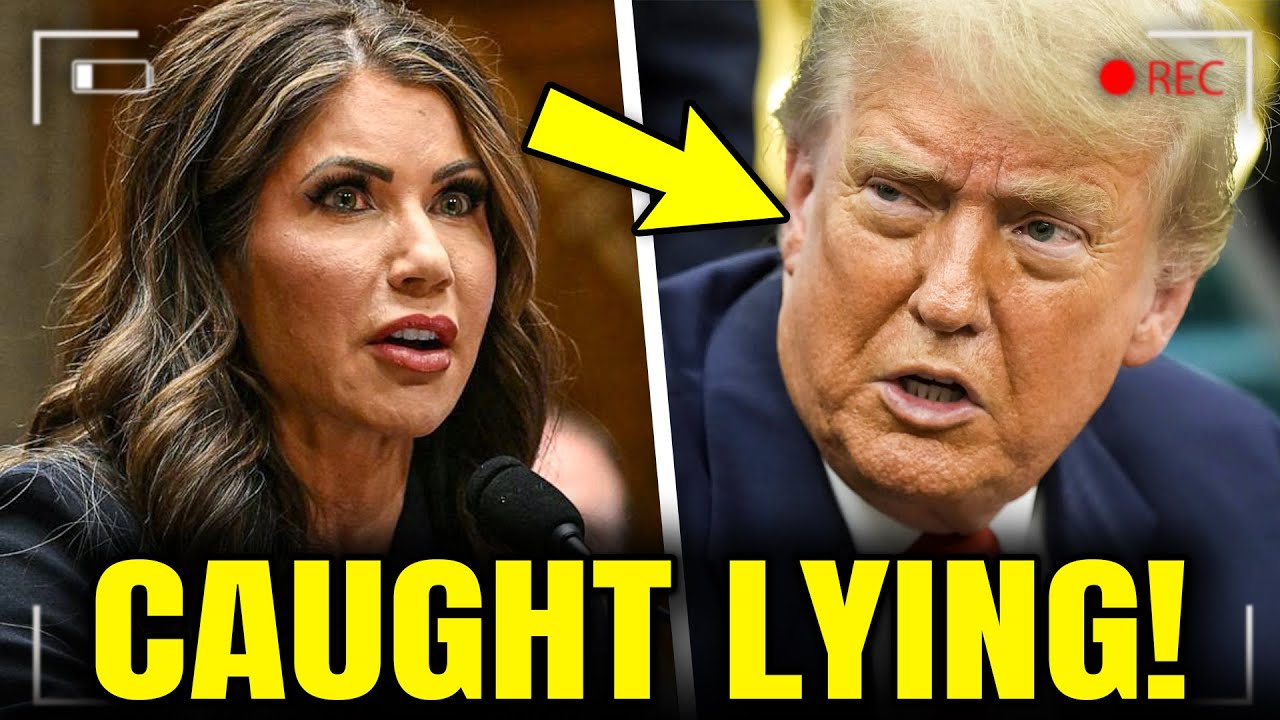
A dramatic congressional hearing has plunged Homeland Security Secretary Christine Noem into one of the most serious accountability crises ever faced by a sitting cabinet official. Under oath and facing pointed questions, Noem repeatedly refused to give clear answers, blamed the Biden administration, and ultimately stormed out of the hearing—an extraordinary move now carrying potential legal consequences.
The flashpoint came when lawmakers asked a basic question: who approved asylum for the individual involved in the shooting of National Guard members. Rather than answering directly, Noem deflected, filibustered, and redirected blame. The chairman repeatedly warned that evasive testimony itself could constitute perjury, escalating the stakes in real time.
At the center of the controversy is a far more serious allegation. Federal court filings now confirm that the Department of Justice admits the Trump administration knowingly violated a federal judge’s order halting deportation flights. According to those filings, Noem personally authorized deportations to El Salvador after a judge explicitly forbade them, triggering an ongoing criminal contempt inquiry by the DC Circuit Court.

The legal risk is immense. If the judge determines Noem deliberately defied the court, the case could be referred to an independent prosecutor—bypassing the Department of Justice entirely. That scenario is rare but constitutionally significant, signaling a breakdown of trust between the judiciary and the executive branch at the highest level.
Compounding the crisis, Noem’s abrupt exit from Congress has drawn accusations of obstruction and contempt. Cabinet secretaries are legally required to testify and cannot simply leave because questioning becomes uncomfortable. Her claim that she had another meeting was later undermined when it emerged that the meeting had been canceled.

The substance of the allegations is equally grave. Roughly 200 individuals with active asylum claims were allegedly deported despite a lawful court order protecting them. Many were sent to detention facilities described by human rights groups as brutal, raising alarms about irreversible harm, family separation, and violations of both U.S. law and international norms.
This confrontation is no longer about partisan immigration debates. It is about whether federal officials must obey court orders and tell the truth under oath. Judges have made clear that “legal advice” is not a blanket shield if officials cherry-picked guidance to justify actions they already intended to take.
As the court prepares evidentiary hearings and Congress weighs next steps, the outcome could set a historic precedent. If defiance of the judiciary goes unpunished, the system of checks and balances collapses. The coming weeks will test whether the rule of law still applies equally—or whether cabinet officials truly operate above it.