Canada Pushes Back as Trump’s Trade Doctrine Exposes a New Power Dynamic in North America

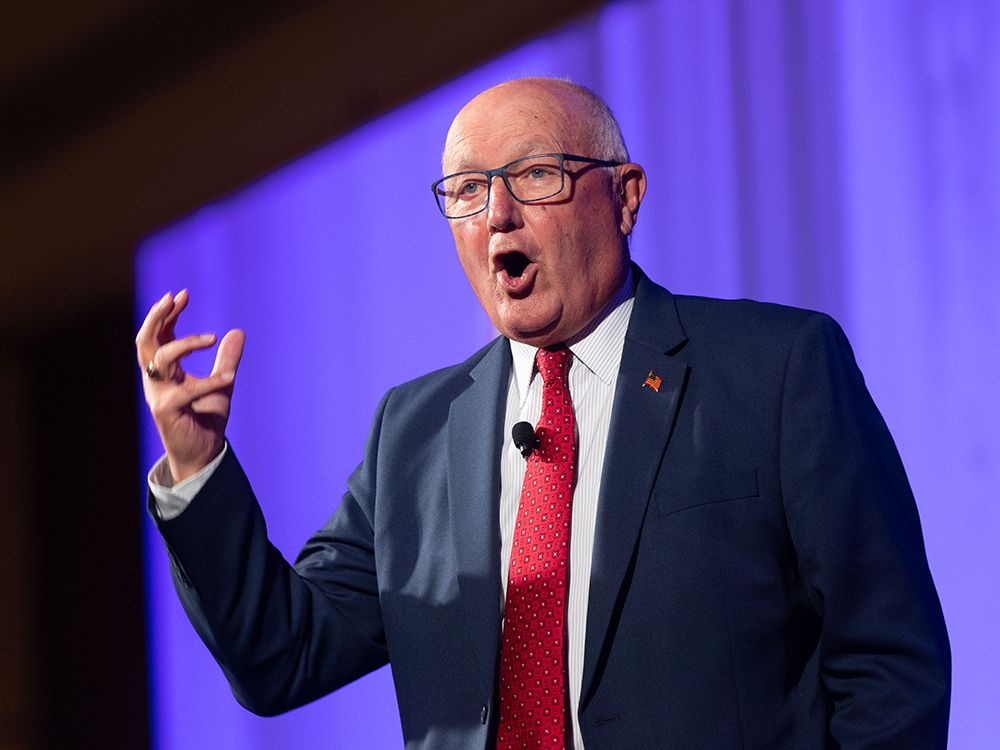
Washington’s insistence on American “preeminence” has rarely been stated as bluntly as it was ahead of the latest U.S.–Canada trade talks. When the U.S. ambassador openly suggested Canada would never be a leading economic or military power, the remark landed less as reassurance and more as a declaration of hierarchy at a sensitive moment.
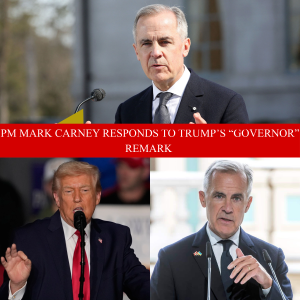
The timing mattered. Talks between Prime Minister Mark Carney’s government and the Trump administration were reportedly close to breakthroughs on steel, aluminum, energy, and autos before abruptly collapsing. The trigger was strikingly small: a provincial Ontario advertisement quoting Ronald Reagan on tariffs. President Donald Trump’s reaction was swift, emotional, and decisive. Negotiations froze.
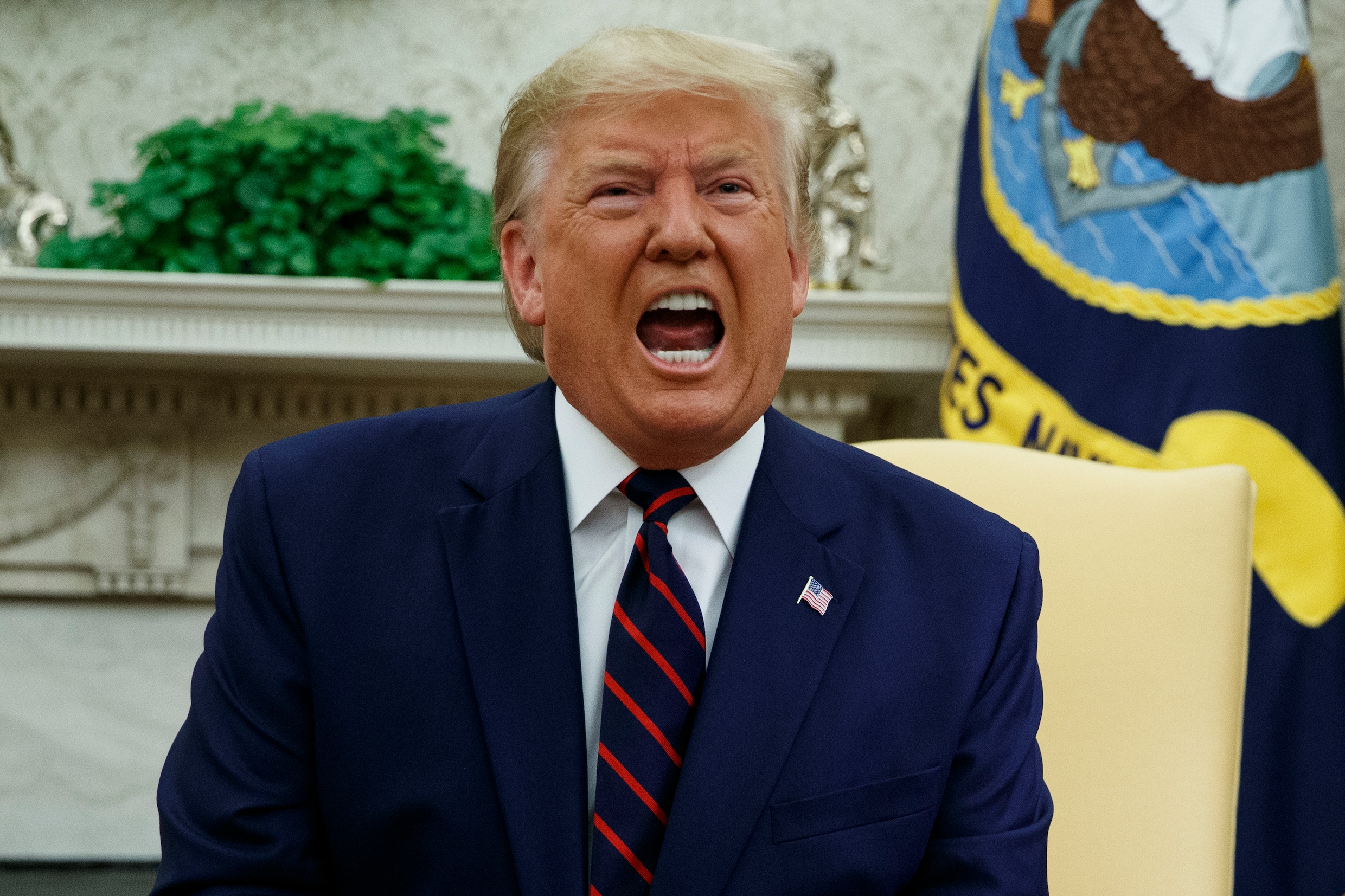
Rather than retreat, Ottawa held its ground. Canada refused to apologize or dilute its position, even as Trump escalated with threats of new tariffs on fertilizer and confirmation that tariff-free trade in North America was effectively over. Despite the tension, Canada posted a trade surplus with the United States, underscoring the resilience of its export base.
The episode revealed a deeper shift in Washington’s approach. U.S. officials now frame tariffs as permanent tools, not temporary leverage. That signals a structural change in American trade doctrine—one that treats Canada less as an equal partner and more as a subordinate expected to adjust. For Ottawa, that clarity has been galvanizing.
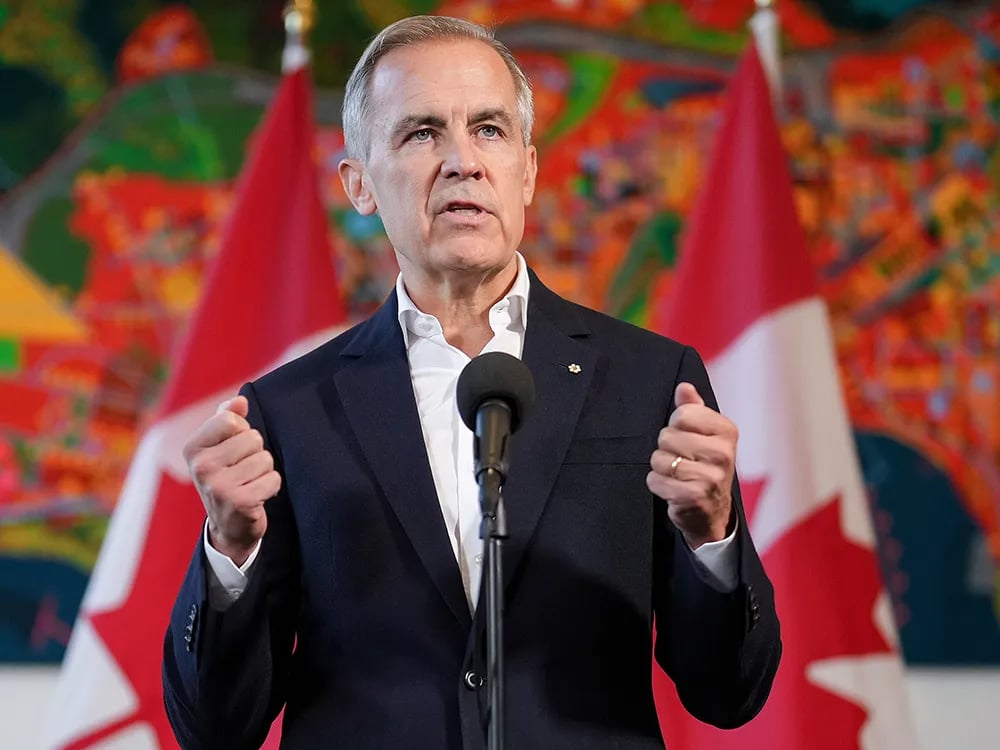
Canada’s response has been strategic rather than theatrical. Carney’s government has emphasized industrial resilience, clean electricity, critical minerals, and the deeply integrated auto supply chain that binds both economies. Tariffs on Canadian vehicles would ripple back into U.S. assembly lines within weeks, raising prices and undermining competitiveness against Europe and Asia.
Beyond autos, Canada holds quieter advantages Washington struggles to offset. Freshwater capacity, essential for EV plants, battery facilities, and chip manufacturing, positions Canada favorably in the next industrial cycle. Geography and resources, unlike tariffs, cannot be negotiated away.
The political subtext has also shifted. U.S. outrage over Ontario’s ads suggested Canada found a pressure point: American voters. By speaking directly to the economic costs of tariffs for U.S. workers, Canada disrupted a carefully controlled narrative. The unusually sharp reaction from U.S. officials signaled discomfort, not confidence.
Taken together, the standoff marks a turning point. Trump’s effort to enforce hierarchy has instead accelerated Canada’s push toward strategic autonomy—diversifying trade, strengthening domestic industry, and projecting stability amid U.S. volatility. The next chapter of North American trade will not be written by declarations of dominance, but by which country adapts more effectively to a changing global economy.