🚨 Faith, Power, and Politics Collide: Mike Johnson, MAGA Christianity, and the Epstein Files Showdown

Republicans have long branded themselves as the party of faith, freedom, and family, but critics argue that image is collapsing under the weight of political reality. As polling numbers hit historic lows, opponents say the party lacks clear policy solutions and increasingly relies on cultural outrage to distract from internal disarray.
That dynamic has resurfaced with renewed focus on the Epstein files. Democrats point out that throughout the entire Biden presidency, Republicans showed no interest in the documents. Now, suddenly, GOP leaders are treating them as a political weapon, claiming—without evidence—that they could damage Donald Trump and his allies.
At the center of the storm is House Speaker Mike Johnson, whose refusal to swear in Arizona Representative-elect Adelita Grijalva has ignited accusations of obstruction. Her vote would provide the 218th signature needed to force a House vote on releasing the Epstein files, a fact critics say explains the prolonged delay.
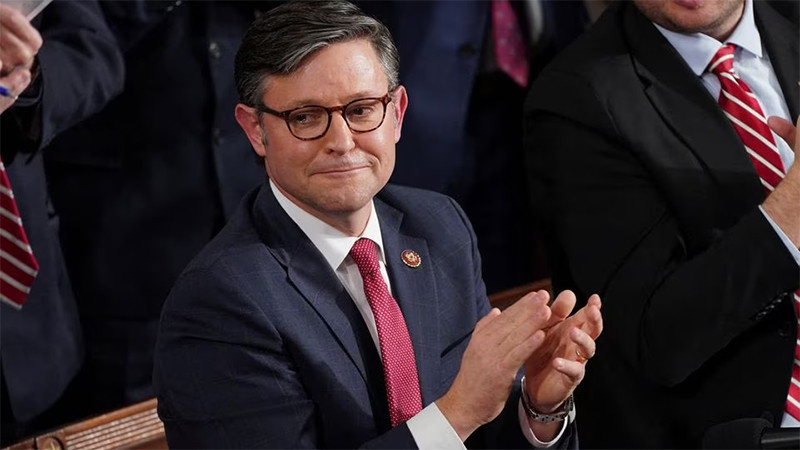
Johnson defends himself by citing House precedent and procedural rules, arguing that the chamber is not currently in legislative session. However, Democrats counter that exceptions have been made before and accuse the speaker of hiding behind technicalities to avoid an uncomfortable vote.
The controversy has also revived scrutiny of Johnson’s use of religion in politics. While presenting himself as a devout Christian, his record includes support for hardline policies such as banning gay adoption, opposing hate-crime protections, and backing abortion laws without rape or incest exceptions. Critics argue this reflects a rigid ideology rather than Christian compassion.
Former insiders of Christian nationalist circles have amplified that critique. Content creators like April Joy warn that MAGA Christianity often dismisses Trump’s own statements about faith while attacking anyone who challenges the movement, even fellow Christians, with deeply personal and misogynistic insults.
As the political standoff escalates, Arizona Attorney General Kris Mayes has filed a lawsuit on behalf of more than 800,000 residents left without representation, increasing legal pressure on House leadership. The case frames the delay not as a procedural quirk, but as a denial of democratic representation.
With public trust eroding, battleground-state Republicans reportedly fear voters are no longer buying the explanations. Between the Epstein files controversy, the swearing-in delay, and growing backlash against Christian nationalism, the fight over power, faith, and accountability is fast becoming a defining test for the modern Republican Party.