Washington is facing a rare and explosive constitutional moment as the Secretary of Homeland Security finds herself caught between two branches of government at once. A federal chief judge in the D.C. Circuit is actively considering whether to hold her in criminal contempt for allegedly defying a court order, while Congress is simultaneously weighing a potential perjury referral tied to her sworn testimony. Legal experts say the convergence of these threats is extraordinary—and potentially historic.
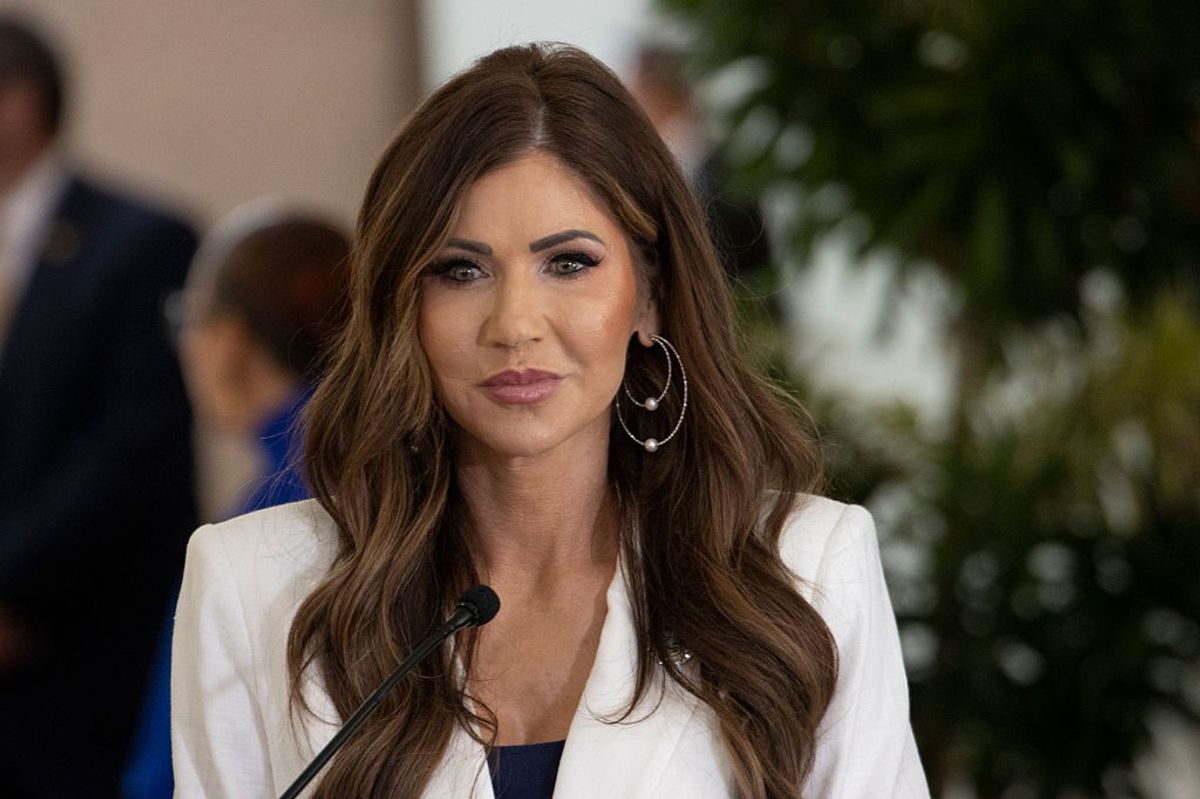
At the center of the judicial crisis is an allegation that the secretary authorized the deportation of approximately 200 individuals to El Salvador despite a direct federal court order halting those removals. The judge’s order required the flights to stop and the individuals to remain under U.S. jurisdiction pending further legal review. Instead, the deportations allegedly continued, sending detainees to a facility human rights advocates have described as a torture prison. The judge has now scheduled evidentiary hearings and is personally examining witnesses—an unusually aggressive step that signals deep concern.
The judge is also weighing whether to bypass the Department of Justice entirely and refer the case to an independently appointed special prosecutor. Such a move would reflect concerns about conflicts of interest, given that DOJ officials advised the administration on the very actions under scrutiny. While criminal contempt referrals of cabinet officials are rare, legal precedent allows it when executive officials are believed to have knowingly defied judicial authority.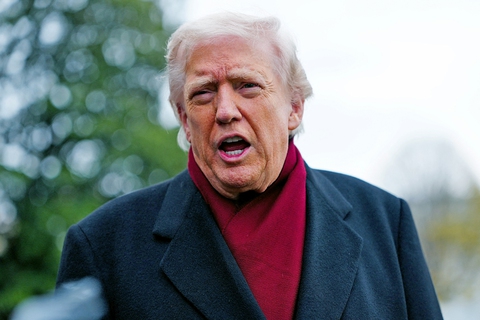
As the courtroom drama unfolded, the secretary’s appearance before Congress ignited a separate firestorm. Lawmakers pressed her with a seemingly simple yes-or-no question: Who approved the asylum application of an individual later accused of killing National Guard members? Despite repeated warnings from the committee chairman, the secretary declined to give a direct answer, instead offering deflections that blamed prior administrations and policy frameworks.
The chairman made clear that evasive testimony itself can constitute perjury, even without an outright lie. Congressional rules define perjury to include deliberately misleading responses designed to obscure factual truth. After several rounds of questioning, the chairman openly warned that her conduct could warrant a perjury referral—an extraordinary rebuke delivered on the record.

Tensions escalated further when the secretary abruptly announced she had another meeting and attempted to leave the hearing early. Congressional leaders objected, noting that witnesses do not control the schedule of oversight hearings. Matters worsened when it later emerged that the meeting cited as justification had been canceled. Critics argue that using a false pretext to escape questioning could itself raise issues of contempt of Congress or obstruction.
What makes this moment so consequential is the simultaneous pressure from both the judicial and legislative branches. A federal judge is investigating potential criminal contempt for defying court orders, while Congress is considering whether the same official misled lawmakers under oath. Constitutional scholars note that this dual-track accountability is precisely how checks and balances are meant to function—particularly when executive power is alleged to have crossed legal boundaries.This case extends far beyond one official or one administration. At stake is a foundational principle of American democracy: no one is above the law. Court orders must be obeyed. Congress must receive truthful testimony. If executive officials can ignore judges and evade oversight without consequence, the rule of law itself erodes. The coming weeks—marked by sworn testimony, judicial scrutiny, and possible criminal referrals—will test whether America’s guardrails still hold when power is truly challenged.