Washington — What began as a little-noticed construction effort inside the White House has escalated into a fast-moving legal dispute, culminating in an emergency federal court hearing that is now drawing intense attention across Washington.
At the center of the controversy is a proposed ballroom project associated with former President Donald J. Trump, described by critics as unusually secretive and, according to newly filed court documents, potentially lacking required approvals. The hearing, scheduled on an expedited basis, signals that a federal judge believes the questions raised are serious enough to warrant immediate review.
According to filings submitted late last week, plaintiffs allege that key procedural steps were bypassed during the planning and early construction phases of the ballroom, including reviews typically required under federal preservation and oversight rules. The White House complex, parts of which are protected for their historic significance, is subject to multiple layers of approval before structural changes can proceed.
The lawsuit does not accuse Mr. Trump directly of criminal wrongdoing, but it argues that the process surrounding the project departed from long-established norms. “This is not a matter of aesthetics or politics,” the complaint states. “It is a matter of lawful governance and accountability.”
Representatives for Mr. Trump have not publicly commented on the specific allegations. In brief statements to reporters, allies have characterized the lawsuit as politically motivated and insist that all necessary permissions were either obtained or unnecessary. “This is a manufactured crisis,” one adviser said, speaking on condition of anonymity because of the pending litigation.
Still, the silence from several government offices named in the filings has only intensified scrutiny. Agencies that typically confirm or deny approval processes declined to answer detailed questions, citing ongoing legal review. That lack of clarity has fueled speculation online, where footage of nighttime construction activity and excerpts from court filings have circulated widely.
Legal experts say the decision to schedule an emergency hearing is itself noteworthy. “Federal judges do not move this quickly unless there is a credible claim of imminent or irreversible harm,” said Eleanor Watkins, a professor of administrative law at Georgetown University. “That doesn’t mean the plaintiffs will prevail, but it does mean the court wants answers now.”
The controversy touches on broader concerns about transparency and executive power that have followed Mr. Trump since his time in office. While presidents have long modified the White House to suit practical needs, such projects are typically well-documented and publicly disclosed. Any deviation from that pattern, experts say, raises red flags.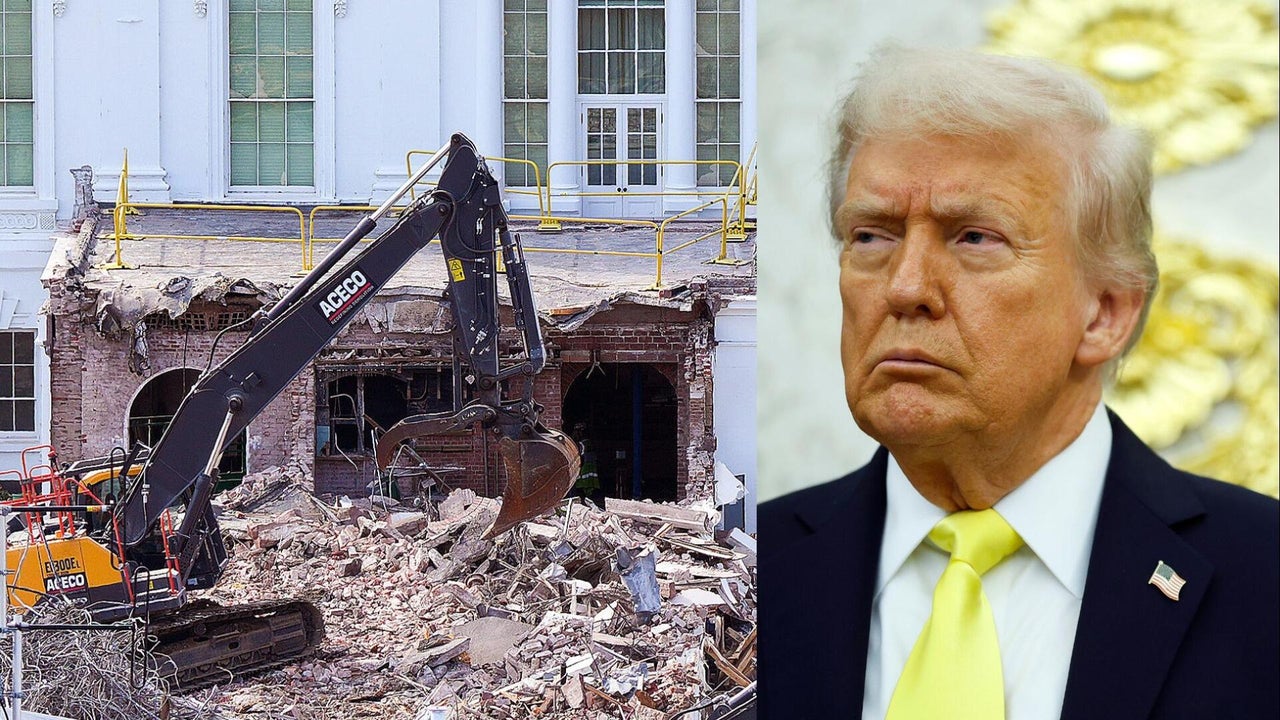
Critics argue that the ballroom plan reflects a blurred line between personal branding and public property. Supporters counter that previous administrations have also made significant changes and accuse opponents of selectively enforcing standards.gest that signatures or formal sign-offs may be missing, incomplete, or disputed — a detail that could prove decisive. If the judge finds that proper procedures were not followed, construction could be halted indefinitely, or the project could be dismantled altogether.
For now, the facts remain contested, and much of what is known comes from legal claims rather than verified findings. But the rapid escalation — from a “quiet upgrade,” as one former official described it, to an emergency federal hearing — has ensured that the matter will not fade quietly.
In Washington, where process often matters as much as outcome, that alone makes this case one to watch.