Washington — A limited release of redacted materials reviewed by House Oversight Committee Democrats has reignited intense public scrutiny around the late financier Jeffrey Epstein, after images linked to his estate surfaced and former President Donald J. Trump’s name began trending widely across social media platforms.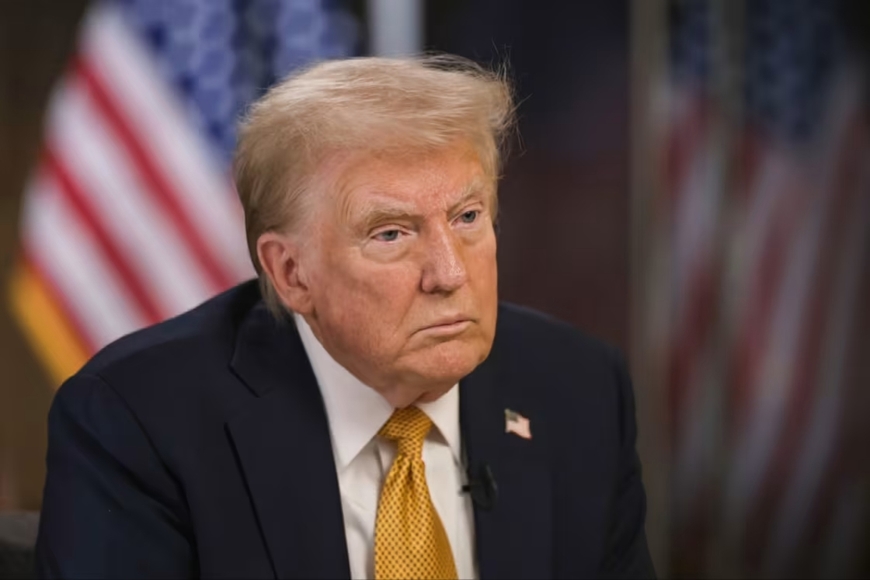
The disclosure, which lawmakers described as part of an ongoing document review rather than a formal finding, included a small number of heavily redacted photographs and references to sealed evidence held under legal restrictions. While the materials did not allege criminal wrongdoing by Mr. Trump, their emergence proved enough to trigger a fast-moving political and media reaction in an environment already primed for suspicion and speculation.
Within minutes of the release, online commentators began dissecting the images, zooming in on obscured details and circulating theories about what the redactions might conceal. Hashtags linking Mr. Trump, Epstein and congressional oversight efforts climbed to the top of trending lists, reflecting the enduring public fascination — and unease — surrounding Epstein’s network of wealthy and powerful associates.
Democratic members of the Oversight Committee emphasized that the materials were not presented as conclusive evidence, but as part of a broader effort to examine how Epstein’s finances, properties and relationships were handled before and after his death in federal custody in 2019. In a brief statement, a committee spokesperson said the review was focused on “transparency, process and accountability,” not on singling out individuals.
Still, the political impact was immediate. Representatives for Mr. Trump dismissed the attention as misleading and irresponsible, reiterating that the former president has previously acknowledged limited social contact with Epstein before severing ties years ago. They accused political opponents of exploiting incomplete information to fuel online outrage.
Behind the scenes, however, people familiar with internal discussions said the reaction was more urgent than public statements suggested. According to aides and advisers who spoke on condition of anonymity, the release prompted rapid legal and political assessments, with teams seeking to understand whether additional material could become public and how it might be framed.
“There’s concern less about what’s out now than about what might come next,” said one Republican strategist. “Even redacted images can take on a life of their own once they hit the internet.”
Committee officials have acknowledged that the released visuals represent only a fraction of the material reviewed so far. Other documents remain sealed, either because of ongoing litigation, privacy protections for potential victims, or negotiations with federal authorities. That acknowledgment has only heightened speculation, particularly as lawmakers face growing pressure from activists and constituents to make more information public.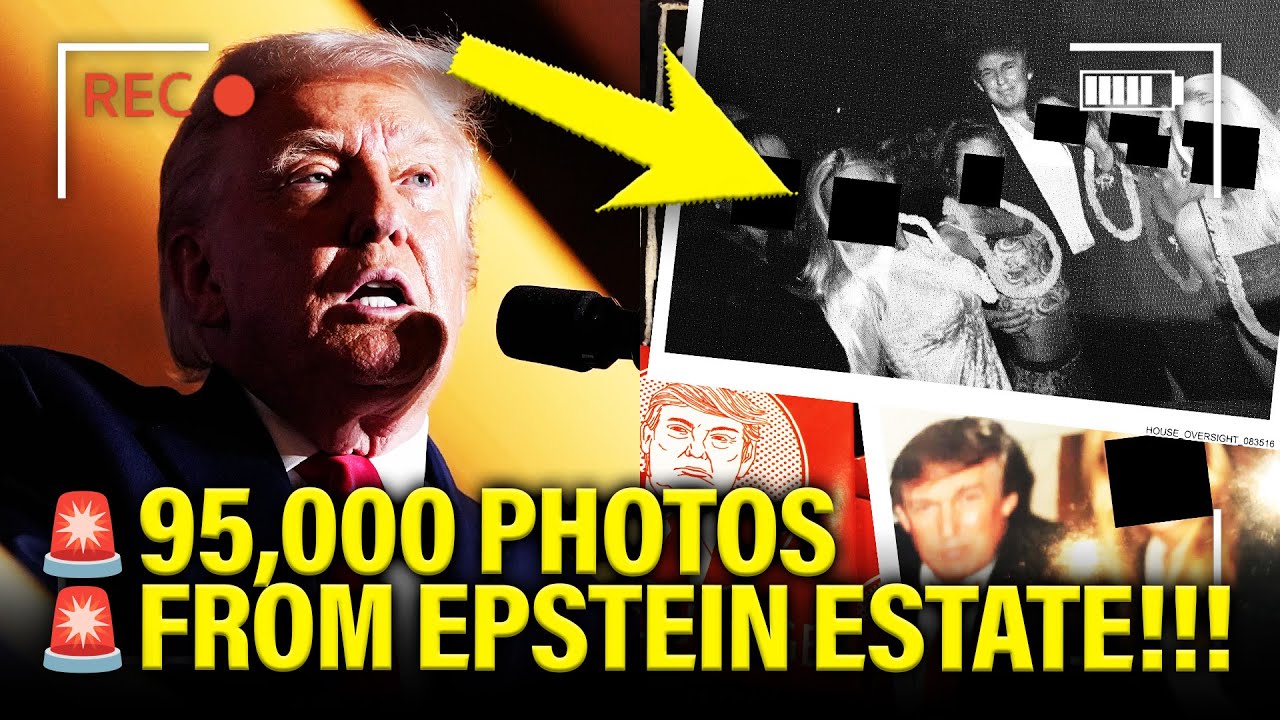
Legal experts caution that the presence of a name in Epstein-related records does not imply criminal conduct. Epstein cultivated relationships with politicians, business leaders and celebrities across party lines, many of whom have never been accused of wrongdoing. “Context is everything,” said a former federal prosecutor. “Redacted or partial releases can easily be misinterpreted.”
Nevertheless, the episode underscores how Epstein’s legacy continues to reverberate through American politics, years after his death. Each new disclosure, however limited, tends to reopen unresolved questions about who knew what, and how institutions handled warnings that, in hindsight, appear deeply troubling.
For Mr. Trump, the timing is politically sensitive. As he remains the dominant figure in Republican politics, any renewed association with controversial figures — even indirect or historical — carries outsized symbolic weight. Allies worry less about legal exposure and more about the cumulative effect of repeated controversies that dominate headlines and social feeds.
Democrats, for their part, are navigating a narrow path between calls for transparency and accusations of politicization. Several lawmakers privately acknowledged that while public interest is intense, the committee must avoid overstating what the evidence shows.
As online debate continues to accelerate, committee leaders have said no immediate additional releases are planned, though they did not rule them out. For now, the redacted images have become a catalyst rather than a conclusion — fueling a new round of questions without providing definitive answers.
What remains unsettled, observers say, is not only the substance of the materials, but the broader challenge of balancing public accountability with legal restraint in a case that has long defied closure. In Washington, the Epstein story has once again demonstrated its capacity to resurface suddenly — and to pull powerful figures back into an unforgiving spotlight.