🔥 OUTRAGE ERUPTS IN CONGRESS AS DHS CHIEF GRILLED FOR DEPORTING VETERANS, MILITARY FAMILIES, AND EVEN U.S. CITIZENS
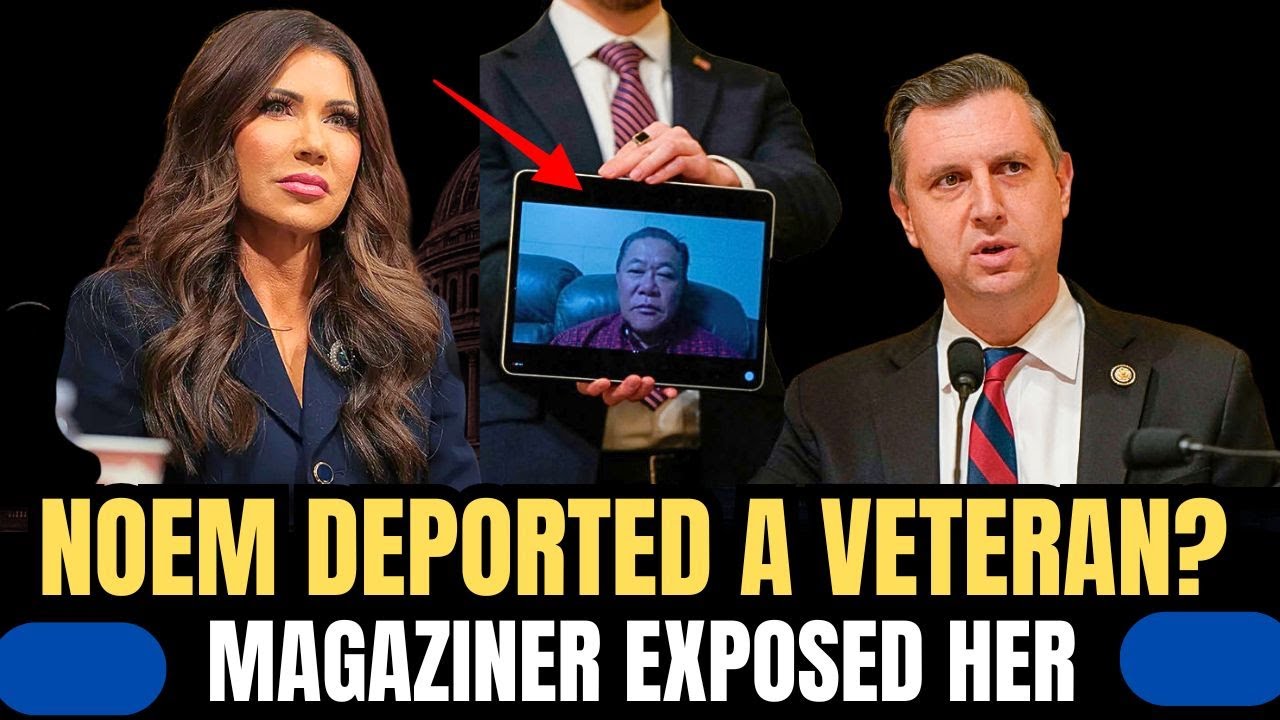
In an explosive hearing on Capitol Hill, lawmakers confronted DHS Secretary Kristi Noem over a series of shocking deportation decisions involving combat veterans, military spouses, and long-settled immigrants with no criminal records. What unfolded was a devastating indictment of an approach critics say prioritizes raw numbers over humanity — and has left some of America’s most selfless citizens suffering the consequences.
The confrontation began with a stark accusation: that the department has failed to distinguish between “the good guys and the bad guys,” sweeping up veterans with PTSD, mothers with infants in the NICU, and even U.S. citizens while claiming to focus on dangerous offenders. That failure, lawmakers argued, has created a moral crisis within federal immigration enforcement — one now impossible to ignore.
One of the most emotional moments centered on Sejun Park, a U.S. Army combat veteran who was shot twice in Panama, earned the Purple Heart, and has been sober for 14 years. Despite decades of service and community ties, Park was deported to Korea — a country he left at age seven — after minor drug offenses linked to untreated PTSD. When asked to explain why, Secretary Noem offered no specific justification, only broad references to “enforcing every law.”

The pattern continued with the case of Donna Brown, the Irish-born wife of a Gulf War Navy veteran. Living in the U.S. legally for 48 years, she was imprisoned for four months and now faces deportation over two $80 checks written a decade ago. Her husband, standing in the hearing room, heard no explanation from DHS for why a grandmother with no violent history was treated like a national threat. Lawmakers emphasized that Noem possesses broad discretionary powers — parole, deferred action, humanitarian exemptions — but simply chose not to use them.

Another flashpoint came with the story of Narc Barono, a landscaper in California who has lived peacefully in the U.S. for 30 years and raised three sons who became United States Marines. ICE agents reportedly tackled him while he was mowing an IHOP lawn. When asked if she would reconsider his case, Noem instead suggested he “voluntarily return home,” a response that visibly stunned the room. Members argued that if raising three Marines is not a contribution worthy of consideration, it is unclear what standard DHS is applying at all.
Taken together, these cases paint a portrait of an enforcement system operating without proportionality. Critics note that past administrations — Republican and Democratic alike — used discretion to avoid deporting combat veterans, military spouses, and long-settled contributors unless they posed real threats. The aggressive posture under Noem, they argue, has instead swept up the very people who embody American ideals of service and sacrifice, while doing little to address genuine security threats.

Noem’s defenders countered by pointing to record border crossings under the previous administration and praised DHS for restoring what they called “the safest and most secure border in years.” But those talking points did little to soften the central criticism: that cracking down on vulnerable families while violent offenders slip through the system reflects a troubling failure of priorities.
As the hearing closed, lawmakers warned that this was only the beginning. The stories of veterans deported despite bleeding for this country, spouses imprisoned despite decades of lawful living, and parents of Marines tackled in parking lots will not fade quietly. With public outrage building and Congress demanding answers, DHS now faces intensifying scrutiny — and a growing national debate about what justice, security, and compassion should look like in America’s immigration system.