A brief cable-news confrontation involving Representative Ilhan Omar of Minnesota and Tom Homan, the former acting director of U.S. Immigration and Customs Enforcement, set off a fresh round of political scrutiny this week, underscoring how quickly televised moments can revive long-standing disputes without producing new evidence.
The exchange, which unfolded during a routine segment on immigration enforcement and border policy, turned heated when Mr. Homan criticized Democratic lawmakers for opposing hardline measures he once oversaw. Ms. Omar responded forcefully, challenging his record and questioning the human consequences of those policies. Within hours, short clips of the argument were circulating widely on social media, drawing sharp reactions from both sides.
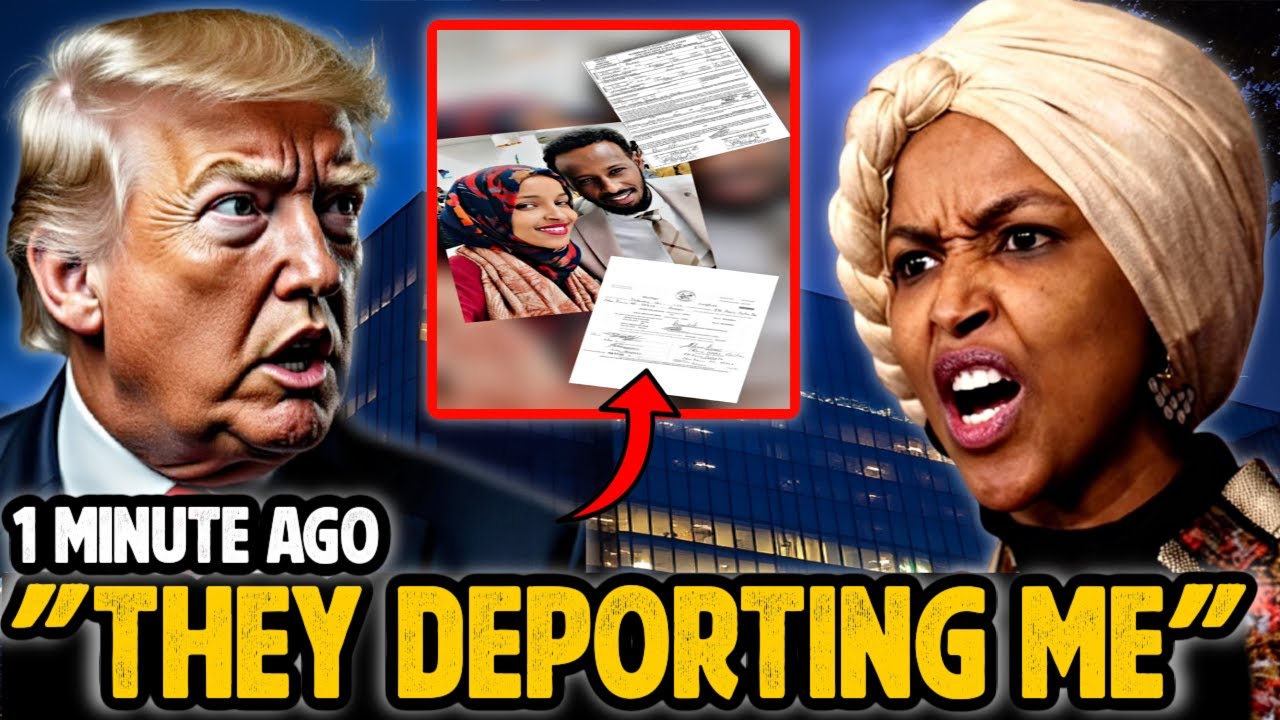
What followed was a familiar pattern in modern politics: viral amplification, claims of accountability from critics, and accusations of a coordinated pile-on from supporters.
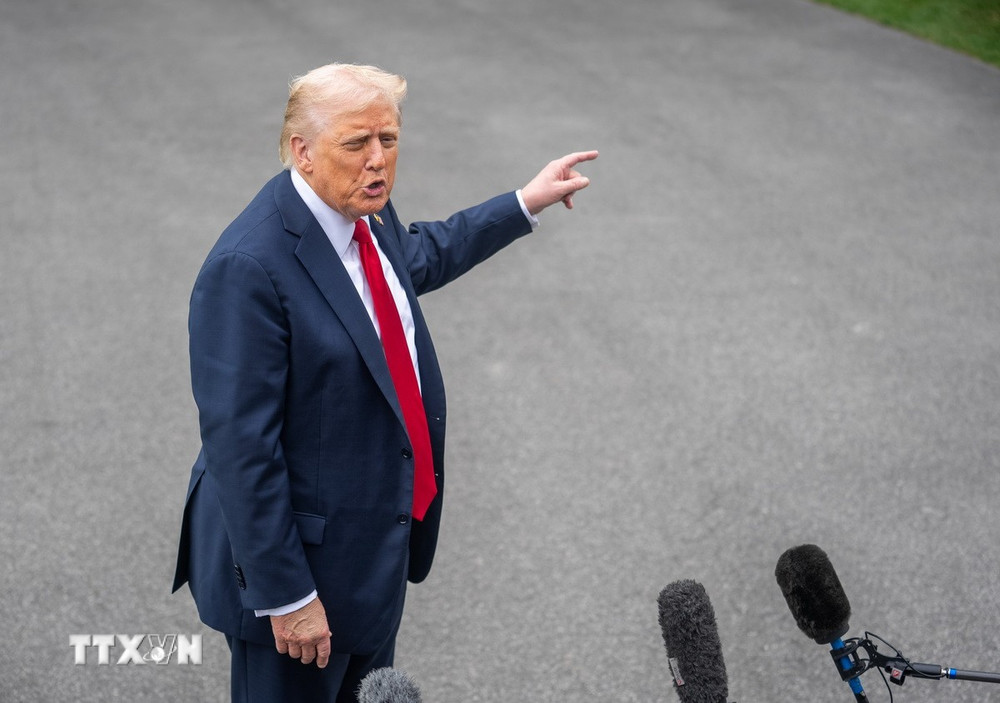
Former President Donald J. Trump added to the attention with comments posted online that echoed his longstanding criticism of Ms. Omar, a frequent target during his presidency. Mr. Trump did not announce any formal action, nor did he present new documentation. Still, his remarks amplified speculation that the dispute could trigger renewed scrutiny of Ms. Omar’s past controversies.
In Washington, such speculation tends to travel faster than confirmation.
Several commentators suggested that officials were “pulling files” or revisiting earlier allegations connected to campaign donations or immigration issues. But as of this week, there has been no public indication from federal law-enforcement agencies that a new investigation has been opened involving Ms. Omar. No subpoenas, indictments, or official notices have been disclosed.
A spokesperson for Ms. Omar said in a statement that claims of a “fresh investigation” were unfounded. “The congresswoman has not been contacted by investigators, and there is no basis for these rumors,” the statement said. “Political disagreements are being misrepresented as legal developments.”

Mr. Homan, reached through a representative, said he stood by his policy critiques but declined to comment on suggestions that his remarks were tied to any investigative action. “This was a policy debate, not an announcement of enforcement,” the representative said.
Experts in political communication say such moments illustrate how easily conflict can be reframed as scandal, particularly when well-known figures collide on television.
“When you combine a polarizing lawmaker, a former enforcement official, and the shadow of a former president, the incentives for exaggeration are enormous,” said Danielle Brooks, a professor of media studies at Georgetown University. “Viewers often infer consequences that simply aren’t there.”
Ms. Omar has faced repeated waves of controversy during her tenure in Congress, some rooted in policy disagreements, others tied to claims that have circulated online for years. Several of those allegations have been examined previously by journalists and watchdog groups, with no findings of criminal wrongdoing.
Campaign finance specialists note that returning donations, correcting filings, or clarifying records—issues sometimes raised in online debates—are routine practices across campaigns of both parties and do not imply misconduct on their own.
“There’s a tendency to treat any revisiting of old material as proof something new is happening,” said Trevor Klein, a former federal prosecutor now teaching election law. “In reality, most of the time it’s the same information being repackaged.”
Inside Democratic circles, aides described a cautious approach. According to people familiar with internal discussions, party leaders were monitoring the situation but were reluctant to elevate the story by responding too aggressively. Those people spoke on the condition of anonymity to discuss strategy.
Republican strategists, meanwhile, argued that the confrontation reflected broader voter concerns about immigration enforcement and accountability. Some suggested Congress should re-examine policies and oversight mechanisms, though none cited a specific investigative pathway tied to the televised clash.
The episode also highlights the blurred line between political rhetoric and institutional action. While social media posts and cable segments can create the impression of imminent consequences, actual investigations follow procedural steps that are rarely announced through viral clips.

For viewers, the distinction can be difficult to parse.
“Conflict feels like momentum,” said Ms. Brooks, the media scholar. “But momentum online doesn’t automatically translate into action by prosecutors or agencies.”
As the clips continue to circulate, both sides appear to be settling into familiar narratives—one warning of accountability and exposure, the other cautioning against rumor and insinuation. Whether the moment leads to anything beyond intensified rhetoric remains uncertain.
For now, what is clear is that a few minutes of television have once again demonstrated how quickly Washington’s political fights can be reframed as something more ominous—and how carefully the public must separate verified developments from speculation in an age of viral politics.