A routine defense briefing evolved into an unusually contentious geopolitical moment this week after newly leaked documents suggested that Canada is exploring a co-production agreement built around Sweden’s Gripen fighter platform — a move that analysts say could mark one of the most significant breaks from U.S. defense dependency in decades. While the government has not confirmed the full scope of the proposal, the disclosures have already stirred debate across North America, reviving comparisons to the long-dismantled Avro Arrow project and prompting quiet concern in Washington.
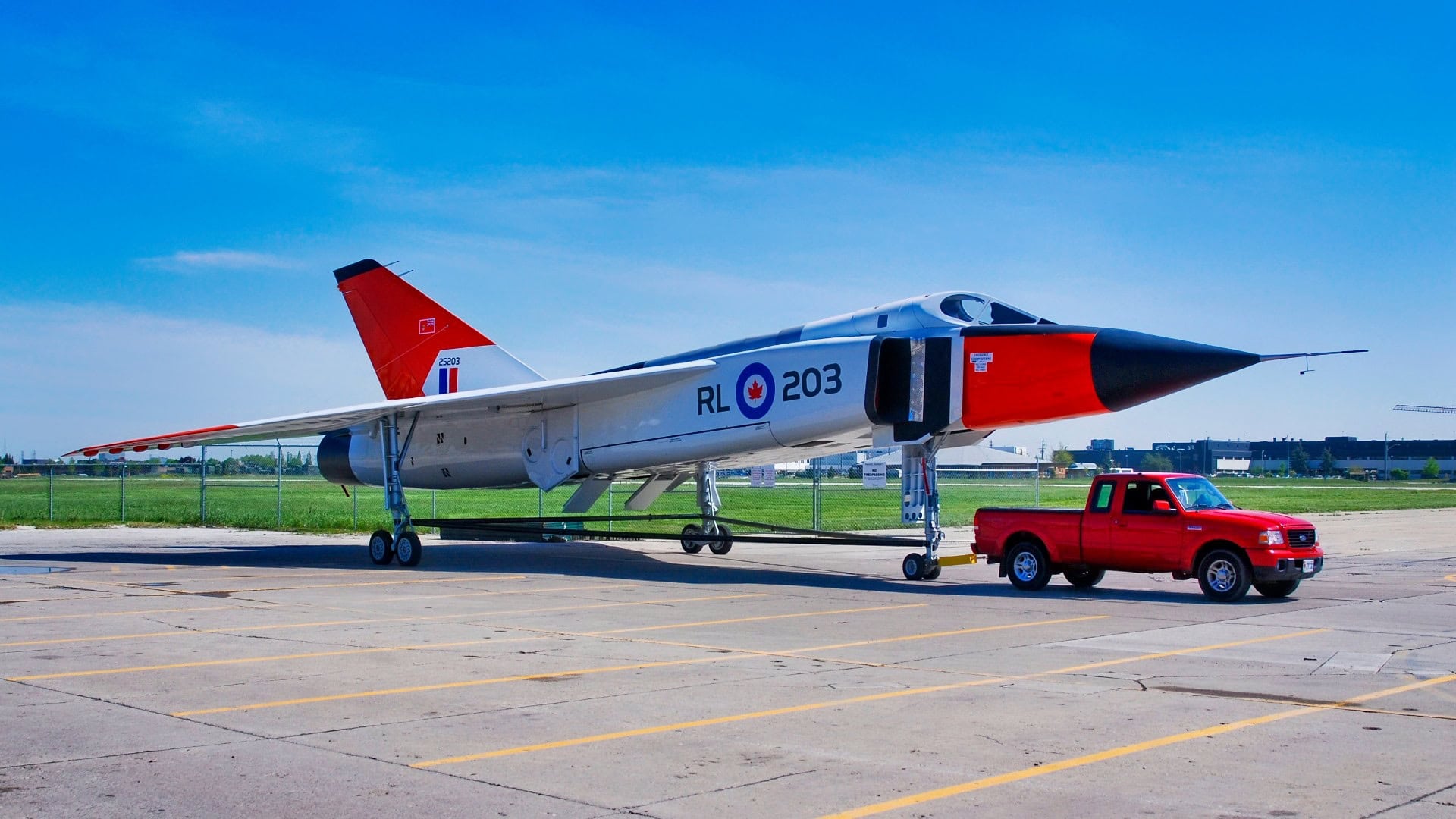
According to officials familiar with the discussions, the emerging framework goes well beyond a simple procurement agreement. Instead, it would give Canada a level of industrial participation, software control, and engine production autonomy that is exceedingly rare among U.S. allies. One senior industry figure described the plan as “the closest Canada has come since 1959 to regaining full stewardship over its aerospace destiny.” The comparison was not accidental. Within minutes of the leak, social-media users and aviation historians had drawn parallels to the Arrow, the advanced Canadian interceptor canceled under U.S. pressure during the Cold War.
The current proposal, insiders emphasize, is far more modest than that symbolic predecessor, but its strategic implications may be broader. Unlike the F-35 program — in which participating countries remain deeply tied to American maintenance pipelines, intellectual-property restrictions, and export controls — the Gripen model offers potential co-development opportunities that would give Canadian engineers direct access to mission systems, software code, and long-term upgrade pathways. Such provisions are rare in modern defense procurement, and analysts say they represent a direct appeal to Canada’s longstanding desire to strengthen its domestic aerospace sector.
In Washington, the reaction has been notably muted in public but far sharper in private. Pentagon officials, according to one U.S. defense analyst briefed on early conversations, were “surprised and uneasy,” particularly given the timing: the United States has been urging Canada to accelerate its commitments to NORAD modernization and to remain aligned with U.S. platform choices. A shift toward the Gripen, even partially, could introduce new complexities into joint operations, data-sharing protocols, and interoperability standards. While no official criticism has been issued, several experts say the United States was likely expecting Canada to deepen, not diversify, its dependence on American aircraft.
For Ottawa, the calculus appears tied to a broader reassessment of industrial sovereignty. The leaked documents highlight an interest in building not only aircraft components but also mission-critical systems such as electronic warfare suites and tactical software — technology realms typically guarded closely by major powers. If realized, such a plan could support Canadian jobs and revive dormant segments of its aviation industry. It may also offer greater political resilience as global supply chains become increasingly strained by geopolitical competition.

Still, the proposal carries significant risks. Defense economists caution that co-production agreements have historically faced cost overruns, manufacturing delays, and political challenges. The Gripen, while respected in European service, has not been integrated into NORAD’s structure, and questions remain about whether it could meet the specific demands of Arctic patrol missions — a role Canadian officials regard as central to national security. Moreover, any step that appears to dilute alignment with the United States inevitably invites scrutiny within the broader NATO context.
The Swedish government, for its part, has publicly welcomed expanding defense partnerships as it prepares to enter NATO formally. Saab, the manufacturer, has made no secret of its interest in co-production deals, offering similar frameworks to Brazil, the Czech Republic, and other nations. But Canada, with its large territory, Arctic responsibilities, and continental defense commitments, would represent a far more consequential partner.
Within Parliament, early reactions break along familiar political lines. Supporters of greater industrial independence have hailed the idea as long overdue, arguing that Canada cannot remain perpetually reliant on platforms governed by foreign export restrictions. Critics counter that diverging from U.S. procurement risks creating parallel systems that increase long-term costs and complicate joint missions with America, Canada’s closest military ally.
What remains unclear is how far the government intends to pursue the project. Officials declined to comment on internal deliberations, stressing that the procurement review process is ongoing. But the speed with which the leaked documents spread — and the intensity of the reactions — underscore a deeper dynamic: Canada’s strategic ambitions, once defined largely by harmonization with U.S. policy, are being reshaped by evolving global pressures and renewed domestic interest in technological sovereignty.

Whether the Gripen agreement becomes a watershed moment or another unrealized proposal will depend on forthcoming negotiations, cost assessments, and diplomatic discussions. But the debate it has triggered signals a broader question facing Canadian policymakers: in an era of shifting alliances and contested supply chains, how much strategic autonomy does Canada seek — and what price is it willing to pay to regain it?