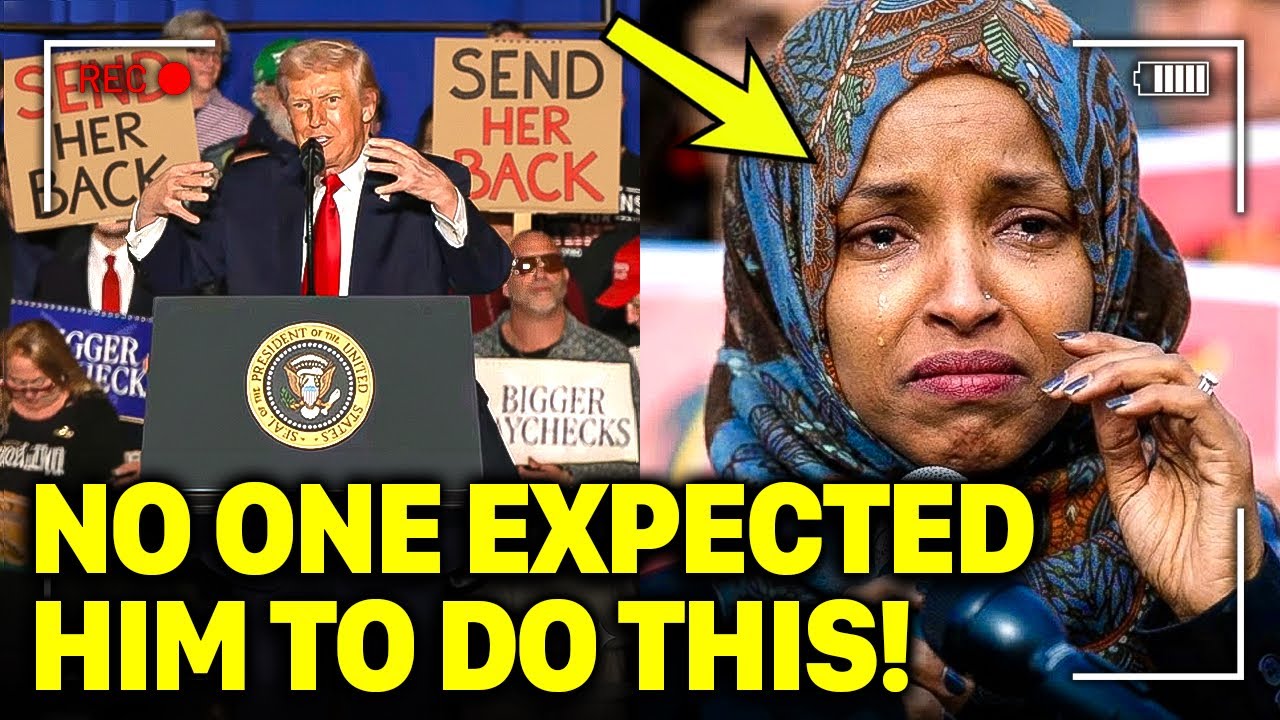
At what was expected to be a standard campaign rally in the Midwest this week, former President Donald J. Trump delivered a remark that instantly reshaped the political conversation in Washington, prompting swift responses from both Republican advisers and Democratic lawmakers. The comment — pointed, unusually direct even by Trump’s standards, and aimed squarely at Representative Ilhan Omar of Minnesota — set off a wave of reaction online and triggered renewed scrutiny of long-standing tensions between Trump and one of his most frequent congressional critics.
The moment came midway through Trump’s speech, when he shifted from discussing economic concerns to immigration and national identity — themes central to his campaign messaging. Then, in a line that appeared unscripted, Trump issued a critique of Omar that he framed as something “Washington refuses to say out loud.” The remark drew an immediate and thunderous reaction from the crowd. Clips circulated within minutes, dominating political feeds across major platforms.
But inside Washington, the reverberations were quieter, more strategic, and more complicated. According to several Republican operatives familiar with internal discussions, senior advisers were “caught off guard” by the phrasing, which they had not seen in prepared remarks. One longtime strategist described the moment as “a messaging jolt,” forcing aides to recalibrate talking points for upcoming interviews and committee hearings. Others suggested the comment touched on frustrations held privately within some GOP circles about Omar’s criticism of U.S. foreign policy, even as they expressed concern about the fallout among moderate voters.
Democrats, meanwhile, moved quickly to defend Omar, issuing statements that condemned Trump’s rhetoric as inflammatory and warned of potential safety implications. Omar’s office declined to address the specific comment directly but released a broader statement criticizing what it called “reckless attempts to deepen political division for electoral gain.” Several of her allies emphasized that Trump’s language risked reviving past controversies surrounding Omar, some of which they argue have been distorted or weaponized for political effect.
Yet beyond the immediate partisan exchanges, analysts say the episode highlights a deeper set of unresolved pressures within Congress — pressures that have surfaced periodically since Omar entered national politics in 2018. Her outspoken positions on U.S. foreign engagement, domestic surveillance, and immigration enforcement have made her a frequent target for conservative commentators and a figure of both admiration and unease within her own caucus. Trump’s latest remark, analysts argue, reflects how those tensions continue to influence Republican strategy, particularly as campaigns attempt to energize their bases.
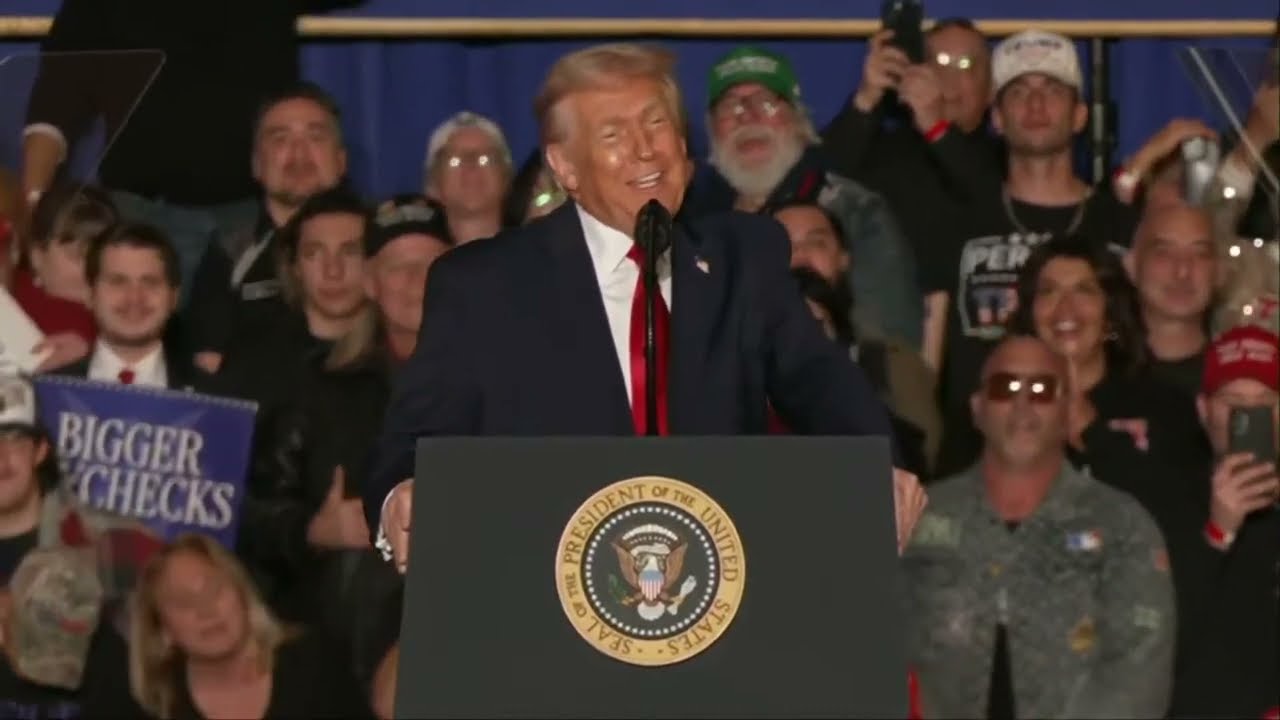
Political strategists also note that the rapid online reaction to the rally underscores a challenge facing both parties: the speed at which campaign rhetoric can shift national conversation, often in ways that elude traditional institutional control. Within hours, the clip had become one of the most-watched political videos of the week, spawning commentary across cable networks and driving heated debate among political influencers and advocacy groups. For some Republican consultants, the viral reach of the moment was a sign of its effectiveness. For others, it raised concerns about whether the party could maintain message discipline in the final months before the election.
Among Democrats, the incident reignited broader anxieties about rising hostility in political discourse. Several Democratic aides said privately that the reaction to Trump’s remark illustrated how quickly Omar’s presence in the political spotlight can escalate into larger ideological battles over identity, representation, and governance. One senior adviser described the episode as “a reminder of the fragile balancing act” facing their caucus — supporting members who advance progressive critiques while managing the political vulnerabilities that such critiques can create in swing districts.
Policy experts observing the fallout say that while Trump’s comment did not introduce new substantive allegations, it did reanimate dormant debates about national cohesion, political belonging, and the role of dissent within democratic institutions. They warn that the confrontation may influence upcoming legislative negotiations, particularly in committees where immigration reform, counterterrorism policy, and foreign aid appropriations remain contentious.
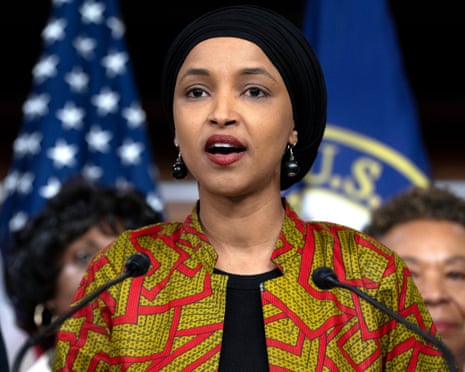
International observers have taken note as well. Several foreign-policy researchers suggested that the heated exchange could complicate bipartisan efforts to present a unified stance on issues involving East Africa, refugee resettlement, and U.S. human rights advocacy. While the long-term effects remain uncertain, the incident highlights how domestic political rhetoric increasingly intersects with global diplomatic signals.
For now, the political establishment appears to be bracing for additional fallout. Trump’s allies have begun framing the moment as evidence of his willingness to challenge what they describe as political conformity inside Washington. Omar’s supporters argue that the rally reveals a cycle of targeted criticism that disproportionately affects minority lawmakers and distracts from substantive policy debate.
What remains clear is that a single unscripted line, delivered to a cheering crowd far from the Capitol, has reopened a set of national arguments that neither party has fully resolved. Whether this becomes a defining episode or a brief flare in an already volatile political climate will depend on the choices made in the weeks ahead — not only by Trump and Omar, but by the institutions and voters who must navigate the shifting terrain their conflict continues to shape.