💥 SHOCKING BACKLASH ERUPTS: TRUMP TARGETS MARJORIE TAYLOR GREENE’S FAMILY — A DARK NEW FEUD EXPLODES INSIDE MAGA WORLD ⚡
WASHINGTON — Former President Donald J. Trump is facing renewed scrutiny over his handling of government files related to the late financier Jeffrey Epstein, as internal tensions within the Republican Party spill into public view. The latest rupture centers on Representative Marjorie Taylor Greene of Georgia, a onetime ally who has emerged as an unexpected critic on the issue — prompting Mr. Trump to respond with personal attacks that Ms. Greene says have resulted in threats against her family.

The dispute has unfolded at a moment when lawmakers in both parties are pressuring the Justice Department to release a long-awaited set of documents related to Epstein’s criminal activities, his associates, and his financial network. Though Congress passed a bipartisan law requiring the release by mid-month, members of the House Oversight Committee say officials have been withholding materials or declining to meet with the bill’s sponsors to discuss implementation.
“The Department of Justice has given us nothing,” Representative Robert Garcia, Democrat of California, said earlier this week, noting that much of the information made public so far has come from the Epstein estate or private institutions rather than from federal agencies. “They have the files. They have the evidence. They can release it now.”
Administration officials, including Attorney General Pam Bondi, have argued that the delay is due to an ongoing review process. But lawmakers have grown increasingly frustrated, calling the refusal to release documents or brief Congress “highly unusual.” Some have warned that career officials could face penalties for failing to meet statutory deadlines.
Behind the procedural dispute lies a deeper political tension. The Epstein case — long fraught with speculation and public fascination — has reentered national debate amid questions about the role political figures played in decisions surrounding Epstein’s prosecution and the management of government records after his death in 2019. While no administration has released the full trove of documents, critics say Mr. Trump’s claims that he “ordered the release” of files conflict with the continued delays.
The situation escalated dramatically after Ms. Greene publicly questioned the administration’s handling of the documents, citing concerns about transparency. In an interview this week, she said that Mr. Trump’s reaction — including branding her a “traitor” on his social media platform — had triggered a wave of threatening messages directed at her and her children.
In an appearance on “60 Minutes,” Ms. Greene described the threats as “directly fueled” by Mr. Trump’s comments. Her criticism marked a sharp break from a lawmaker who built her political identity as one of the former president’s most loyal defenders.
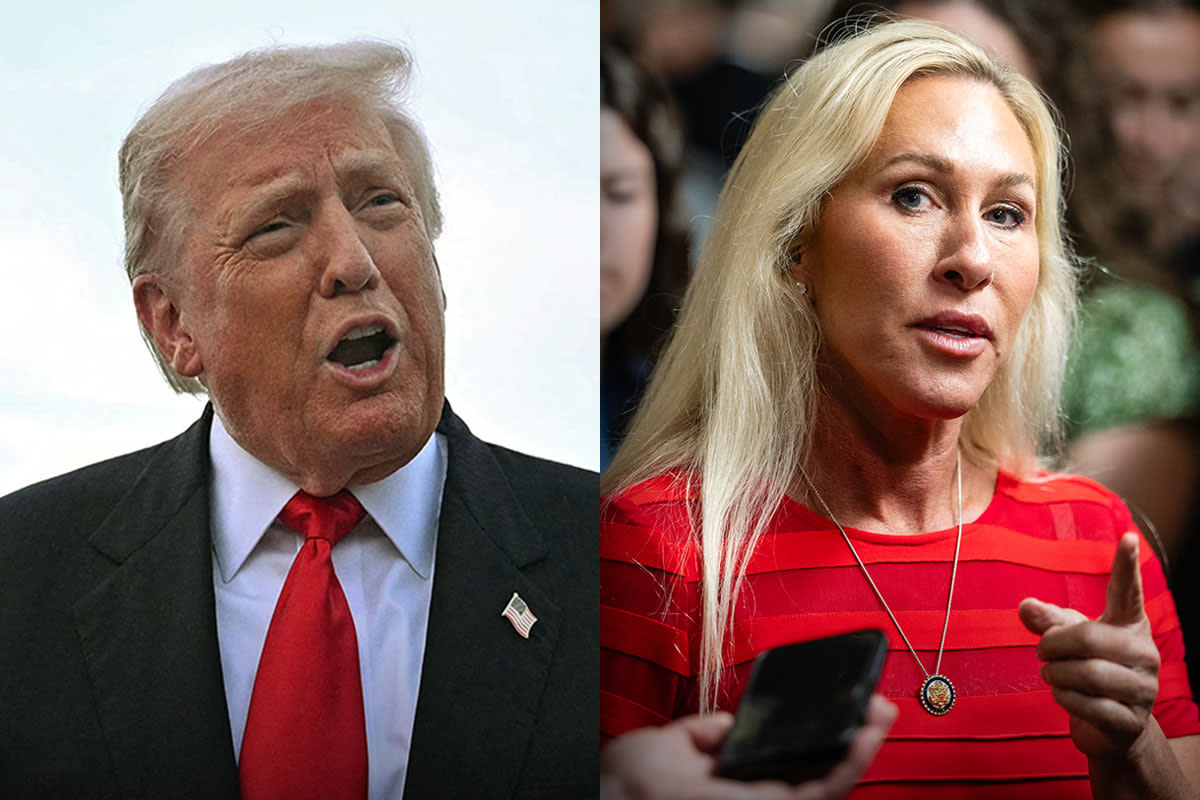
Mr. Trump, for his part, forcefully rejected her accusations. On Truth Social, he dismissed Ms. Greene’s concerns and published a lengthy post attacking her political credibility, characterizing her as “confused” and “disloyal,” and suggesting her recent criticism stemmed from personal grievances. The post also revived grievances against the news media and accused the CBS program of bias.
The former president’s message drew immediate attention not only for its tone but for the broader implications of an increasingly visible divide between Mr. Trump and some members of the party’s right flank. Though Ms. Greene has frequently stirred controversy, she maintains significant influence among parts of the Republican base.
Her recent remarks came amid her attempt to reposition herself on issues of political violence. After years of incendiary rhetoric, she recently told CNN she was reflecting on her role in escalating tensions and hoped to reduce the temperature. Critics say her shift in tone has been inconsistent, noting that she has remained silent when Mr. Trump has leveled accusations of treason against several Democratic lawmakers.
The dispute has also highlighted the broader debate over political violence and threats against elected officials, which have risen sharply in recent years. Several lawmakers, including Representatives Elissa Slotkin of Michigan and Jason Crow of Colorado, have published recordings of threatening messages left by callers referencing statements made by political leaders.
While the direct political implications of the Greene–Trump fracture remain unclear, analysts say the feud underscores the volatility surrounding the Epstein documents — a subject that has produced intense interest, conspiracy theories, and partisan maneuvering for more than a decade. The Justice Department has given no indication it will release the files ahead of the deadline, though officials say the process is ongoing.
As the debate intensifies, prominent Republicans and Democrats alike say the episode reflects a deeper need for transparency and public accountability.
“More information will come out, and it should,” Mr. Garcia said. “The public deserves clarity. Survivors deserve justice. And Congress deserves answers about why these files have been withheld.”
For now, the controversy has merged two combustible currents in American politics: longstanding questions about one of the country’s most notorious criminal cases, and the increasingly public rifts within a Republican Party still navigating its relationship with the former president.