A Chaotic Defense: Pete Hegseth’s Shifting Story Deepens White House Turbulence
In Washington, where political narratives move faster than their fact-checks, even a single televised sentence can expand into a crisis. That is the position Defense Secretary Pete Hegseth found himself in this week, after an on-air exchange resurfaced that appeared to contradict his most recent defense of a September 2nd military incident involving the destruction of a Venezuelan vessel.
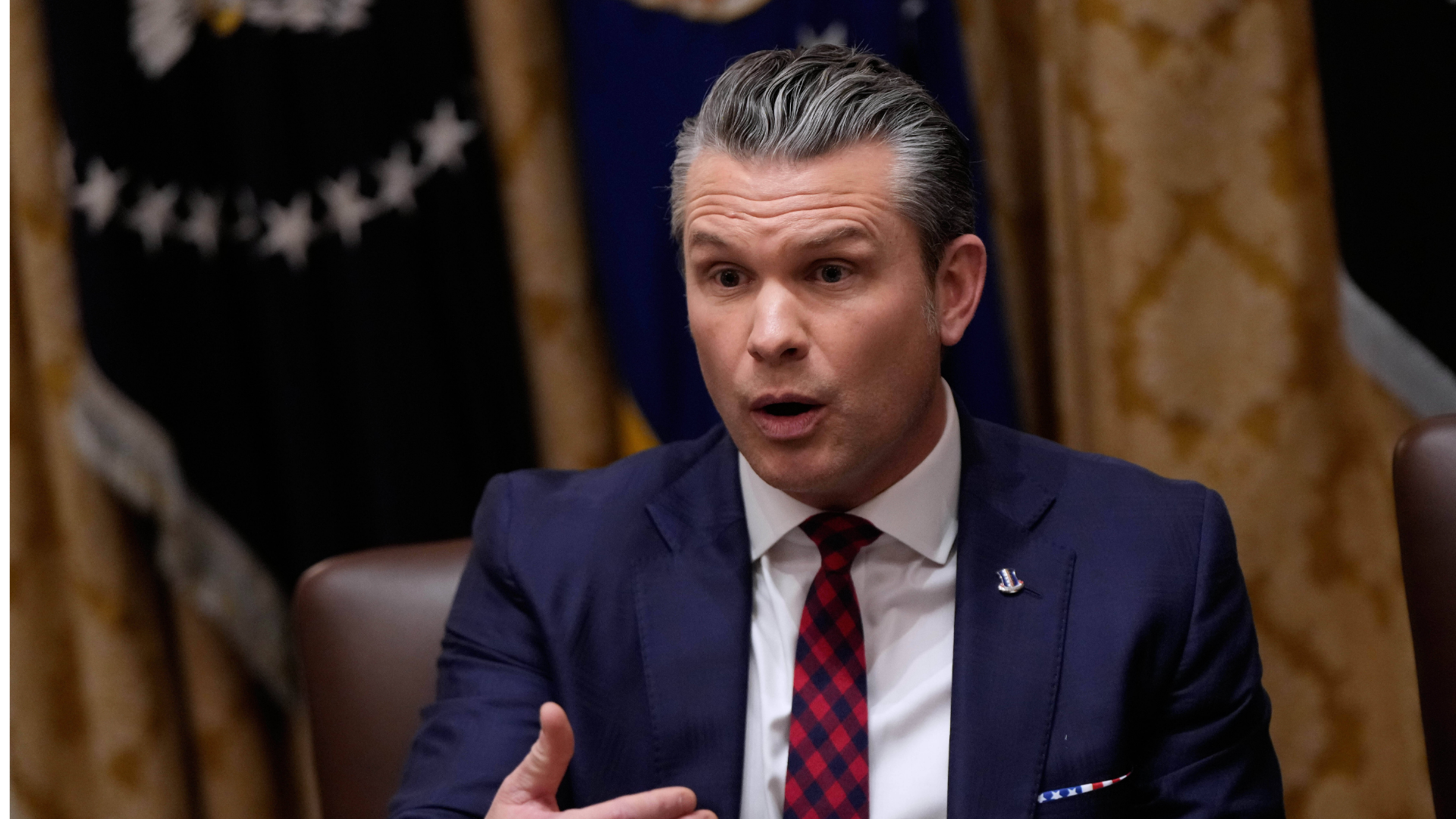
What began as yet another round of scrutiny over the administration’s aggressive maritime operations escalated into a broader controversy—one involving shifting accounts, questions of legality, and an increasingly public divide between the president and one of his most media-savvy Cabinet members.
The dispute centers on a now-infamous strike on a Venezuelan boat that U.S. officials claimed was transporting narcotics toward American shores. That assertion, however, has been repeatedly challenged by analysts, as fentanyl shipments typically originate from Mexico or domestic laboratories, not from Venezuela. Moreover, subsequent reports indicate the vessel in question was not headed toward the United States at all, complicating the administration’s claim of an “imminent threat.”
Despite these contradictions, Mr. Hegseth defended the operation, insisting that he had evaluated the strike criteria and issued the necessary authorization. Yet in the span of one weekend, his explanation shifted multiple times, in some accounts placing himself directly in the decision-making room and in others distancing himself from the tactical specifics.
Then came the clip.
A recently resurfaced appearance on Fox News—recorded during the first Trump administration—shows Mr. Hegseth condemning exactly the kind of extrajudicial military escalation he is now accused of approving. “Go ahead and kill the family,” he said in the segment, deploying a rhetorical example to underscore the dangers of unclear rules of engagement. He warned that such ambiguity placed service members in jeopardy, suggesting the president at that time “often is about Donald Trump” rather than the officers executing his directives.
Viewed in the context of today’s controversy, the contrast was striking. The resurfaced comments drew swift reaction from lawmakers, legal scholars, and defense analysts, many of whom noted that the secretary’s televised remarks seem to undermine the very justifications he has used to defend the September operation.
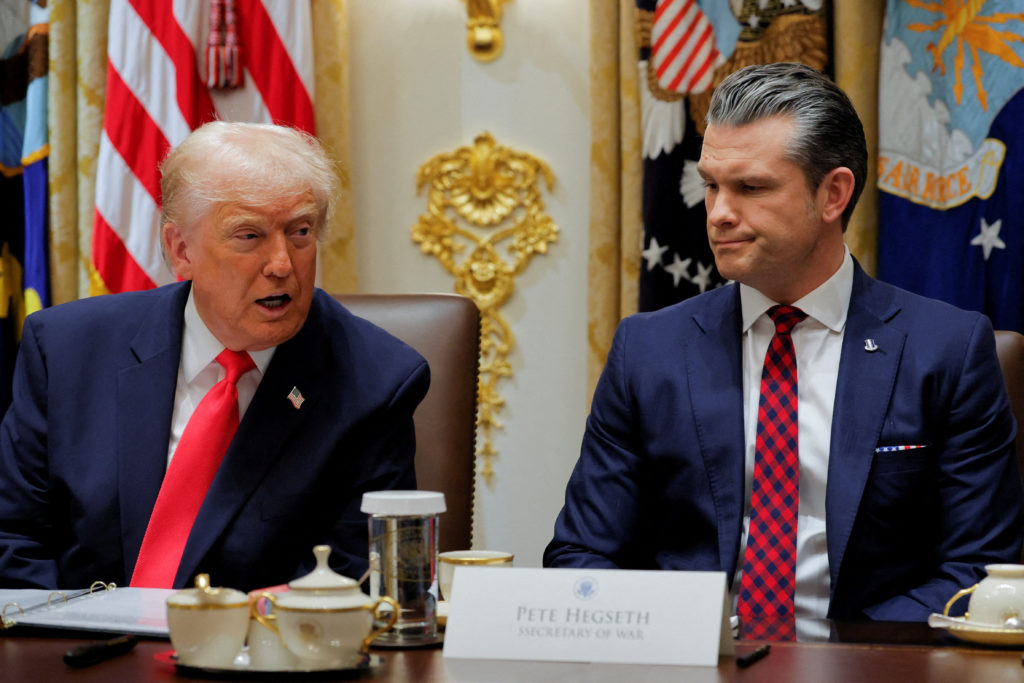
The White House, typically eager to mount an aggressive defense of its officials, remained notably quiet. Several aides, speaking on condition of anonymity to discuss internal tensions, said the president was privately frustrated with the evolving narrative and viewed Mr. Hegseth’s public missteps as both avoidable and politically inconvenient. According to one aide, “The president likes him, but he doesn’t like surprises.”
Mr. Hegseth, long known for his television-ready style and willingness to embrace the administration’s most combative rhetoric, has been central to President Trump’s second-term effort to project force abroad. His supporters see him as a blunt and loyal messenger who can distill complex military operations into digestible cable-news soundbites. But his critics argue that such an approach—celebrated within parts of the president’s base—has contributed to strategic opacity and a resistance to oversight.
The September 2nd incident intensified these concerns. Reports indicate that two sailors survived the initial blast and, according to military and international regulations, should have been rescued as civilians once the conflict had ceased. Instead, questions remain about whether additional lethal force was ordered after the fact. Mr. Hegseth’s inconsistent explanations have only heightened these uncertainties.
Legal scholars say the situation underscores the fragile boundaries of presidential war powers—especially in operations carried out without explicit congressional authorization. “If the intelligence was flawed, if the target posed no immediate threat, and if force continued after the combat threshold ended, then the administration is facing a serious legal problem,” said one professor of international law.
Inside the Pentagon, reactions have reportedly ranged from frustration to alarm. Several officials expressed concern that the episode could erode U.S. credibility in maritime enforcement operations—especially at a time when geopolitical tensions in the Caribbean remain high. Others worry that the political spotlight may hinder future intelligence-sharing, as foreign partners reassess the reliability of U.S. assessments.
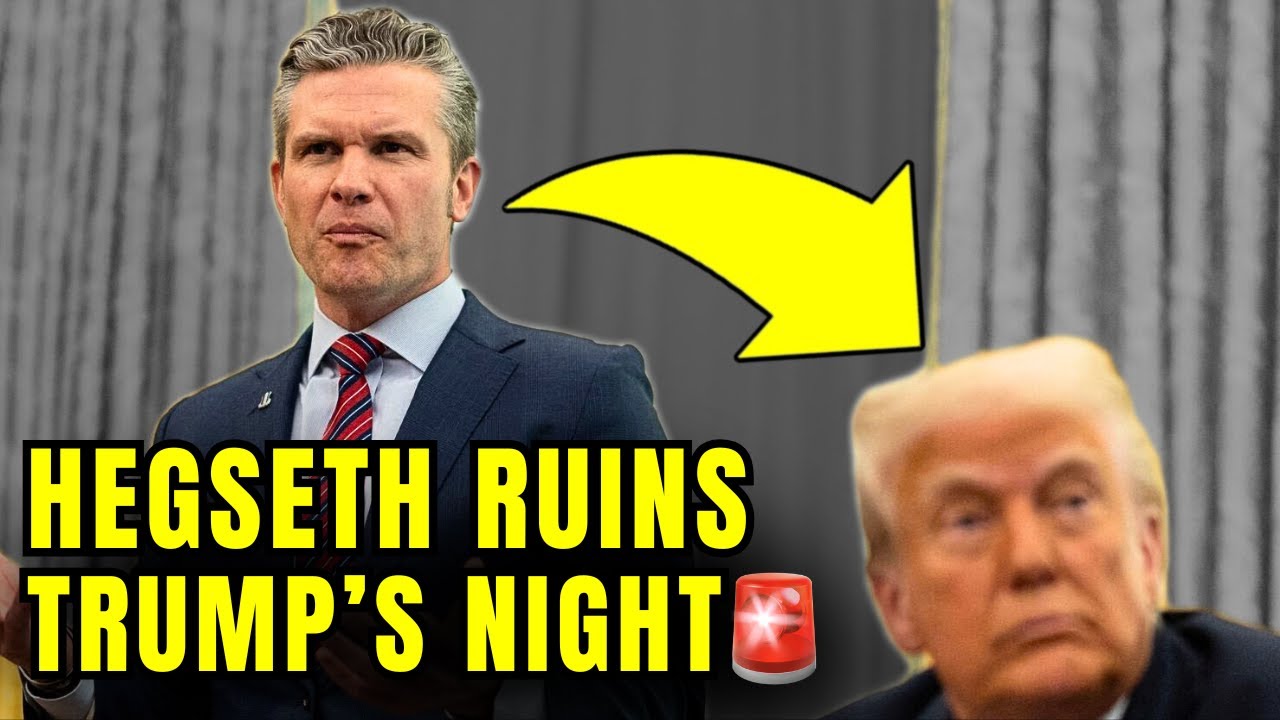
For now, Mr. Hegseth remains in his role, though his relationship with the president appears strained. Allies insist he is committed to defending the mission and countering what he views as unfair attacks. Critics say his shifting accounts raise deeper questions about competence and judgment.
What is clear is that a single televised clip—one he likely did not expect to reappear—has reignited scrutiny not only of the operation, but of the administration’s broader decision-making framework. In an era where political crises can ignite in seconds, the Hegseth controversy serves as yet another reminder: words spoken years earlier can still echo loudly across an administration, especially one already accustomed to governing inside a storm.