Inside the Political Storm: Growing GOP Anxiety as Calls Intensify for Trump to Release MRI Results

WASHINGTON — What began as an ordinary Sunday morning political exchange has now escalated into one of the most contentious transparency debates of the Trump presidency. A three-word social media post — “Release the MRI results” — from Minnesota Governor Tim Walz has triggered a political firestorm, prompting renewed scrutiny over President Donald J. Trump’s health and raising deeper questions inside the Republican Party about its standard-bearer heading into the next election cycle.
The controversy centers on a previously undisclosed October visit to Walter Reed National Military Medical Center, during which Mr. Trump underwent an MRI. The White House insists the president remains in “excellent” health. Yet officials have declined to reveal the purpose of the scan or provide detailed medical records — a break from decades of modern presidential transparency.
The lack of clarity has fueled speculation, amplified public concern, and heightened internal GOP unease.
A Routine Test — or Something More?
In October, Mr. Trump spent approximately four hours at Walter Reed — an unusually long window for what aides initially described as routine testing. Days later, pressed by reporters, Mr. Trump acknowledged receiving an MRI but claimed he did not know what part of his body was scanned. Asked whether it involved his brain, he insisted it did not and pointed to a cognitive test he said he had “aced.”
Medical experts note that patients typically know what part of their body is being imaged. Several former White House physicians have stated that the length of Mr. Trump’s visit and the refusal to provide full documentation raise legitimate clinical questions.
“The timeline simply does not match the explanation,” one former presidential doctor said. “An MRI, blood work, and routine physical exam do not require four hours.”
Political Pressure Intensifies
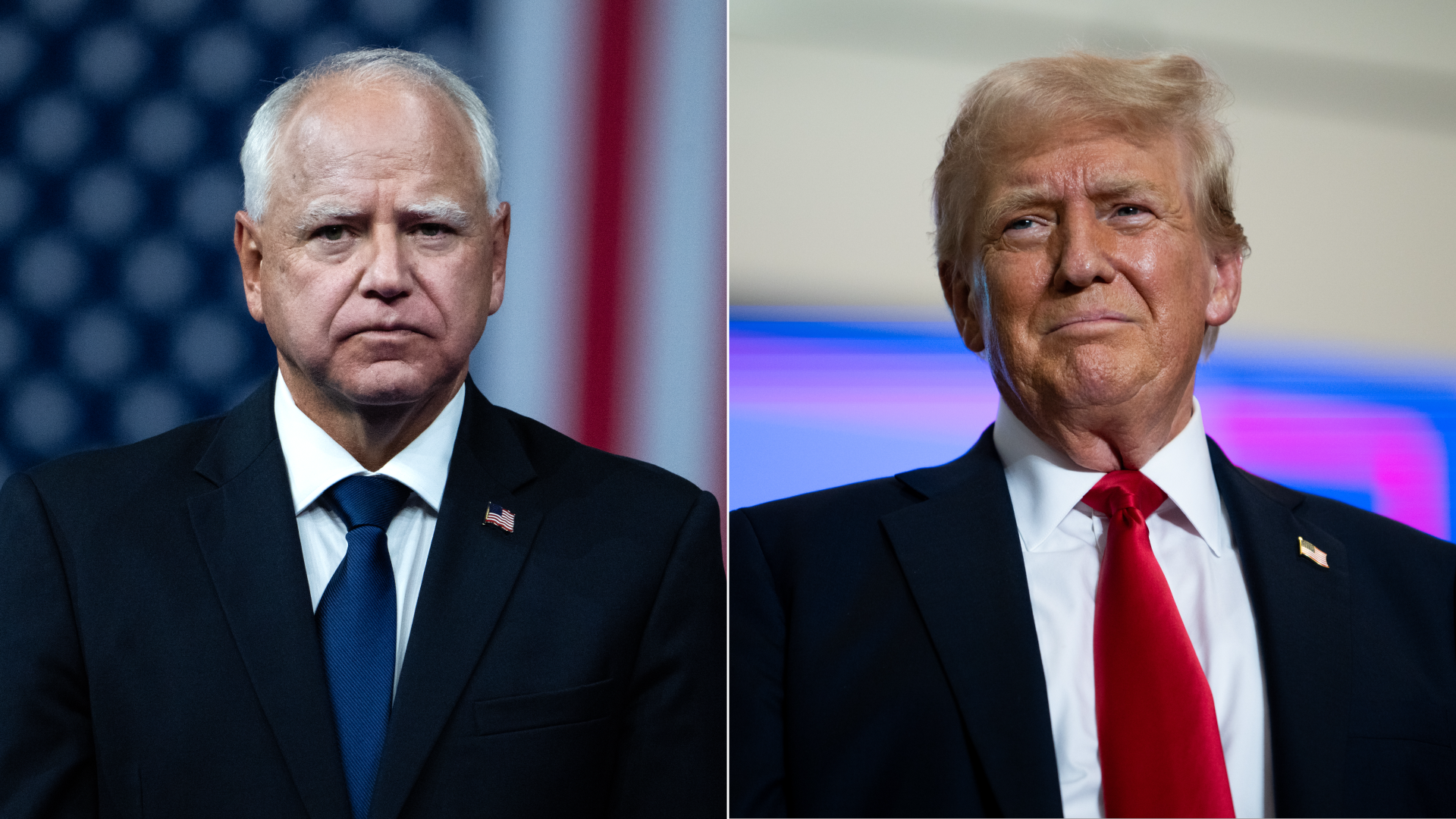
Governor Walz’s public call for transparency — delivered during an appearance on NBC’s Meet the Press — has elevated the issue, prompting forceful responses from the president and his allies. Rather than addressing the medical questions directly, Mr. Trump responded by attacking Walz personally, calling him “incompetent” and criticizing his immigration policies.
Democrats argue that the president’s evasiveness underscores broader concerns over erratic behavior, late-night outbursts on social media, and the administration’s pattern of withholding key information from the public.
Republicans, meanwhile, find themselves in an increasingly precarious position. While publicly defending the president, many privately express frustration over the lack of clarity surrounding Mr. Trump’s health and worry about the political consequences of prolonged uncertainty.
A Break From Presidential Norms
Modern presidents — from Ronald Reagan to Barack Obama to Joe Biden — have released detailed medical records and allowed independent physicians to evaluate key findings. Historically, transparency has served to reassure the public, maintain institutional trust, and prevent misinformation from spreading unchecked.
Mr. Trump has taken a different approach. He has declined to release his tax returns, limited disclosure of his medical files, and offered conflicting explanations about various health episodes, including a prior unannounced Walter Reed visit in 2019.
Experts in presidential health note that transparency is not merely a political expectation but a matter of national security. “The American people need to know whether their president is fully capable of performing the duties of the office,” said Dr. Jacob Appel, a specialist in medical ethics and presidential health. “Ambiguity creates instability.”
Republican Anxiety Grows
At age 79, Mr. Trump is the oldest person ever to hold the presidency. His health — long a political flashpoint — is becoming increasingly central as the 2026 election cycle begins to take shape.
Some Republicans warn that the MRI controversy could become a defining issue if the White House continues resisting disclosures. Others fear that any release of medical results could prompt independent medical review, raising questions the administration would struggle to manage.

The more the president dismisses concerns, several strategists say, the more voters may suspect something is being concealed — a dynamic that could prove politically damaging.
A Larger Crisis of Transparency
The debate over the MRI is unfolding against a backdrop of broader instability within the administration. Investigations into military actions abroad, heightened tensions with federal agencies, and ongoing economic strain have created a volatile political environment. For critics, the MRI episode symbolizes a deeper pattern of secrecy and impulsive leadership.
For supporters, demands for transparency represent yet another political attack.
But for many Americans — including independents and moderate Republicans — the question is not partisan. It is fundamental: What happened at Walter Reed, and why won’t the president release the results?
Until the White House provides clarity, the controversy is likely to intensify, deepening political divisions and raising consequential questions about trust, leadership, and the health of the nation’s chief executive.