Appeals Court, Including Trump Appointees, Tosses President’s $475 Million Defamation Suit Against CNN
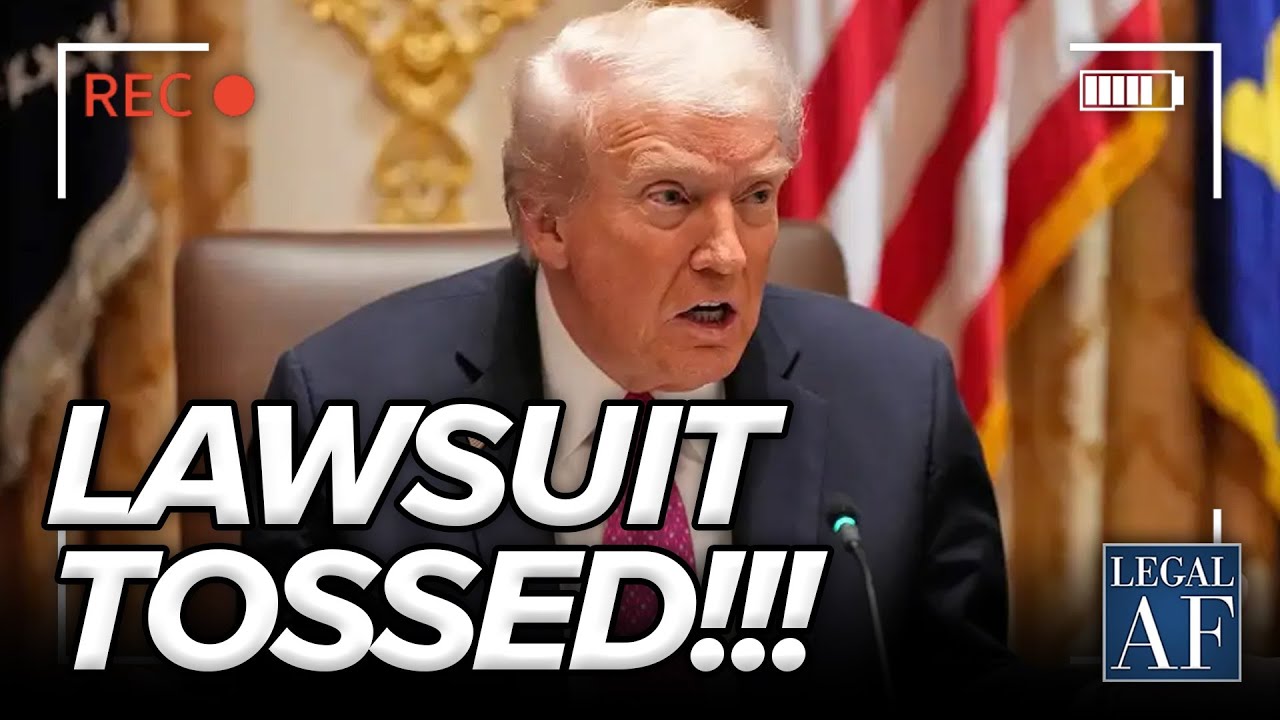
ATLANTA — In a unanimous rebuke delivered by a panel that included two judges appointed by President Trump himself, the 11th U.S. Circuit Court of Appeals on Tuesday affirmed the dismissal of Mr. Trump’s $475 million defamation lawsuit against CNN, ruling that the network’s characterization of his 2020 election fraud claims as the “Big Lie” was protected opinion, not a verifiable falsehood. The decision, which Mr. Trump’s legal team vowed to appeal to the Supreme Court, marks the second stinging loss for the president in as many weeks before the Atlanta-based appeals court, following the rejection of a separate RICO suit against Hillary Rodham Clinton.
The 2022 complaint, filed in Florida’s Southern District by then-personal attorney Lindsey Halligan (now interim U.S. attorney for the Eastern District of Virginia, facing her own ouster), accused CNN of defaming Mr. Trump by invoking the “Big Lie” — a phrase popularized by Adolf Hitler in Mein Kampf to describe propaganda tactics — in reference to his unsubstantiated assertions that the election was “rigged and stolen.” Mr. Trump sought punitive damages, alleging the term falsely equated him with Nazis and incited “hatred, distrust, and contempt.”
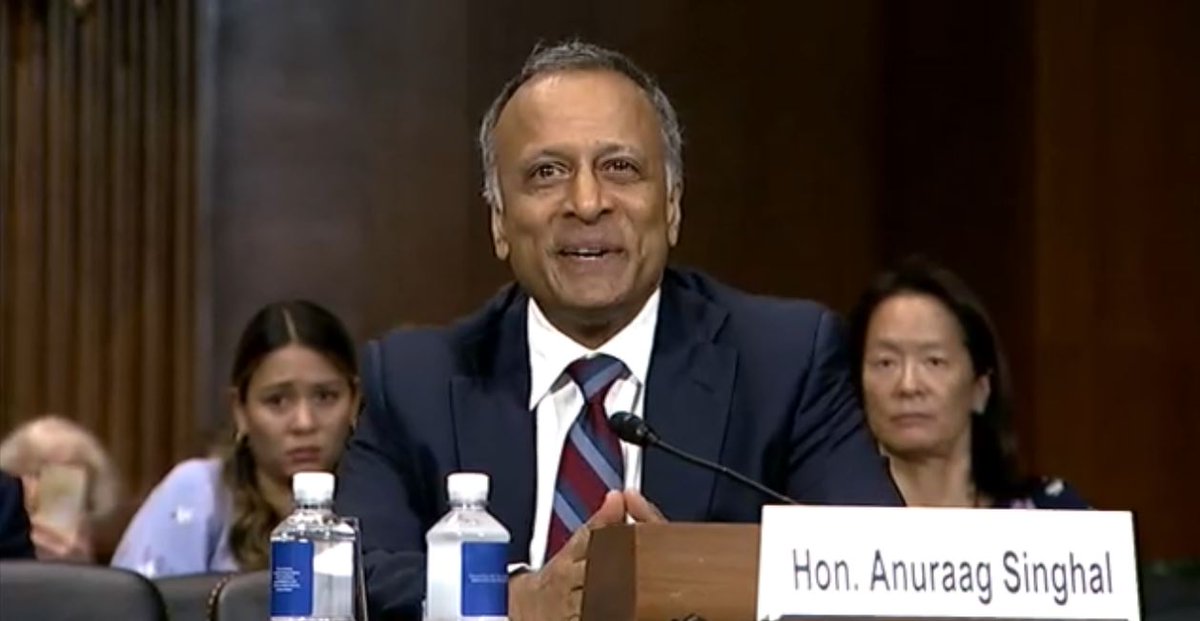
U.S. District Judge Raag Singhal, a Trump appointee from 2019, dismissed the case in July 2023, ruling: “Bad rhetoric is not defamation when it does not include false statements of fact.” He deemed “Big Lie” rhetorical hyperbole, not a literal factual claim, and noted that opinions, however “odious and repugnant,” enjoy First Amendment safeguards unless implying verifiable untruths. The appeals panel — Trump appointees Kevin Newsom and Elizabeth Branch, plus Barack Obama appointee Adalberto Jordan — echoed: “Trump has not adequately alleged the falsity of CNN’s statements… his conduct is susceptible to multiple subjective interpretations, including CNN’s.”
The court rejected Mr. Trump’s core argument: that “Big Lie” unambiguously evoked Nazi parallels, constituting defamation per se. “Trump’s argument hinges on… his own interpretation… being true and CNN’s… false,” the unsigned opinion stated. “However… [it] is, to some extent, ambiguous” — protected rhetoric, not actionable fact. As a public figure, Mr. Trump bore the “actual malice” burden under New York Times v. Sullivan (1964): proving CNN knew its statements were false or recklessly disregarded truth. The panel found no such allegation, deeming claims “meritless” and “unpersuasive.”
Mr. Trump’s team, now led by Alejandro Brito of Coral Gables, Fla., vowed persistence: “There is no doubt that Fake News CNN defamed President Trump… We will pursue this case… to its just and deserved conclusion.” CNN declined comment, but a source close to the network called the suit “frivolous from Day One.” The ruling follows the 11th Circuit’s November 19 affirmance of $938,000 sanctions in Mr. Trump’s failed RICO suit against Ms. Clinton — another Trump-appointed panel upholding dismissal and penalties.
Legal scholars hailed the outcome as a bulwark for press freedoms. “This isn’t just a win for CNN; it’s a reminder that public figures can’t sue over uncomfortable opinions,” said Columbia’s Tim Wu. The case echoes Mr. Trump’s string of courtroom defeats: A $5 million E. Jean Carroll verdict (affirmed 2024); a dismissed Dominion suit against Fox ($787.5 million settled); and ongoing probes into his 2020 claims, debunked in 60+ failed lawsuits. “Meritless” litigation, critics argue, chills journalism amid Mr. Trump’s FCC threats against “fake news.”

For Mr. Trump, 79, the loss compounds a turbulent fall: Approval at 38 percent (Gallup), independents 25 percent, as tariffs bite and scandals swirl. His Florida venue — a friendly circuit — backfired: Singhal’s dismissal, plus two Trump judges affirming, underscores judicial independence. As en banc rehearing or Supreme Court bids loom, the irony bites: A leader decrying “rigged” systems met his match in the rule of law he once vowed to bend.