Trump Reacts Sharply as Jimmy Kimmel Intensifies Late-Night Riffs on Former President’s Health and Public Appearances
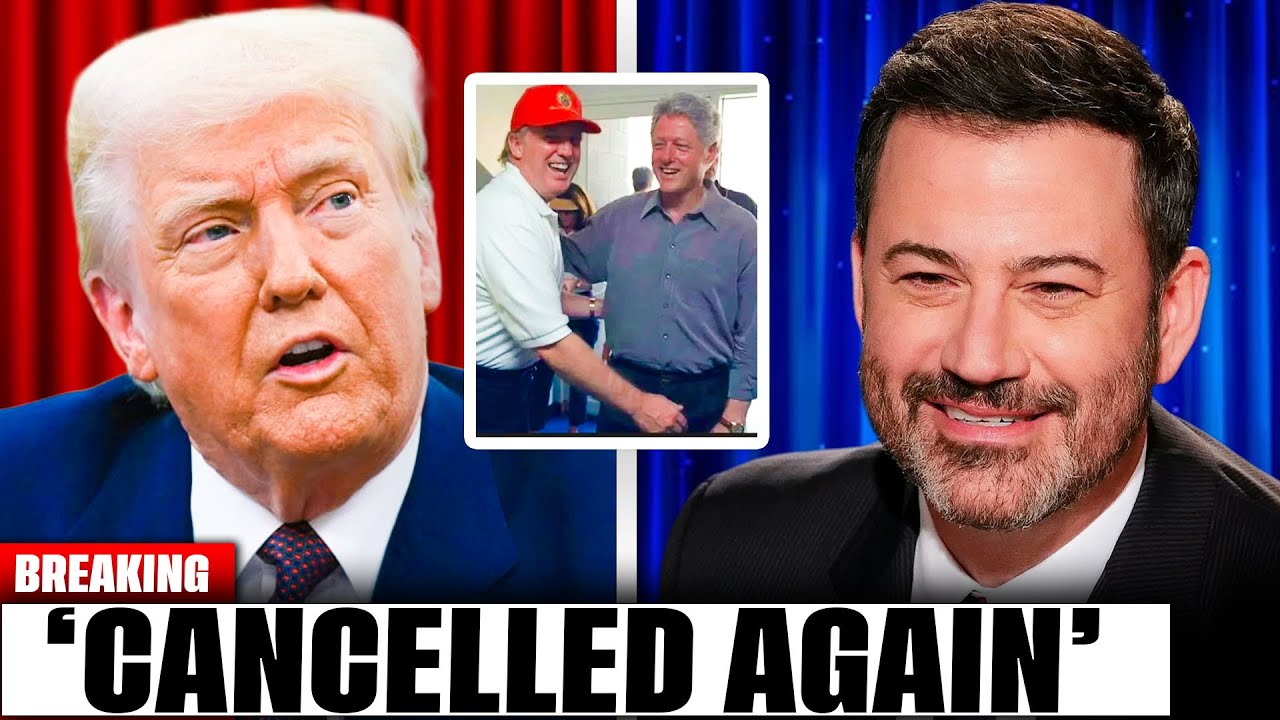
Los Angeles / Washington — A series of increasingly pointed monologues from late-night host Jimmy Kimmel has drawn an unusually sharp reaction from former President Donald J. Trump, escalating a long-running media feud and prompting new debate in political and entertainment circles about the role late-night comedy plays in shaping public perceptions of national figures.
The latest exchange began earlier this week when Mr. Kimmel devoted a lengthy segment of Jimmy Kimmel Live! to mocking recent public moments in which Mr. Trump appeared fatigued or struggled with scripted remarks — clips that have circulated widely online and fueled political commentary across the spectrum. Kimmel framed the montage as part of what he jokingly called “America’s new favorite hate-watch franchise,” comparing the Trump videos to serialized television and suggesting the former president “cannot look away from his own coverage.”
The segment drew millions of views within hours. According to people close to Mr. Trump, the former president saw at least part of the broadcast and was angered by the framing, viewing it as a personal attack and an attempt to revive news cycles focusing on his health and stamina.
Trump Responds — Publicly and Privately
Mr. Trump responded in characteristic fashion, issuing posts on his social media platform criticizing Mr. Kimmel as “a failed, low-ratings host” and accusing late-night television generally of serving as “Democrat propaganda.” Advisers close to the former president, speaking on the condition of anonymity, said he also expressed frustration privately, urging his team to more aggressively rebut narratives questioning his physical fitness.
One adviser described Mr. Trump as “animated and irritated,” though others cautioned against overstating his reaction, saying he is accustomed to nightly criticism from Kimmel and other late-night hosts.
Still, the intensity of his response suggests the segment struck a nerve at a politically sensitive moment. Mr. Trump has faced a renewed wave of commentary from both allies and critics over his recent public appearances, though medical experts have repeatedly noted that televised clips alone cannot provide meaningful information about health.
Late-Night Television as Political Arena

Kimmel, who has become one of Mr. Trump’s most persistent comedic critics, has framed his monologues as accountability through satire. Tuesday’s segment interspersed political commentary with humor, contrasting Mr. Trump’s own statements about being in “perfect health” with on-air gaffes and physical pauses that comedians across networks have used as material.
“This is the late-night ecosystem that Trump helped create,” said Robert Thompson, a professor of media studies at Syracuse University. “He is both a political figure and a cultural one, and the feedback loop between his reactions and the comedians’ monologues becomes its own phenomenon.”
Executives at ABC declined to comment on the segment, though staff members familiar with the taping said Kimmel’s writers anticipated that the former president would respond.
Republicans Accuse Late-Night of Bias; Democrats Seize Opportunity
Republican officials criticized Kimmel’s focus on Trump’s health, calling it an extension of partisan attacks. Senator J.D. Vance of Ohio said the comedian was “performing for applause from the left,” while Representative Elise Stefanik accused late-night hosts of “mocking rather than informing.”
Democrats, meanwhile, amplified the segment on social media. Several party strategists said the monologue played into broader concerns about the former president’s unpredictability and temperament, topics they expect to lean on in the coming election cycle.
But some Democratic aides expressed caution, noting that over-reliance on late-night satire can appear dismissive of voters who support Mr. Trump. “Comedy is not a substitute for argument,” one strategist said.
A Media Moment Larger Than Its Participants
Part of the episode’s virality stems from how seamlessly it fits into longstanding media dynamics: Mr. Trump’s tendency to react to televised criticism, and late-night hosts’ awareness that those reactions generate further content.
“This is not a traditional political feud,” said Zeynep Tufekci, a scholar of digital communication. “It is a feedback mechanism between television, social media and political identity. Every reaction becomes fuel for the next cycle.”
Historically, political humor has influenced public attitudes — from Gerald Ford’s portrayal on Saturday Night Live to Jon Stewart’s critiques of the Bush administration. But the Trump-Kimmel dynamic is different, experts say, because Mr. Trump so frequently engages with the satire in real time.
A President as a Media Consumer

People close to the former president say he remains a devoted consumer of television, particularly segments in which he is mentioned. Even during his presidency, advisers routinely attempted to manage the flow of late-night clips reaching him.
“This is one of the few areas where Trump behaves like an ordinary viewer — he wants to see what people are saying,” said a former White House official.
Mr. Trump’s critics argue that his reactions show a thin-skinned approach to public discourse. Supporters counter that he has the right to respond to what they see as unfair portrayals from entertainment figures.
What Comes Next
Kimmel is expected to continue covering Mr. Trump as long as election rumors and public speculation persist. Trump advisers say the former president will not stop monitoring late-night television — and will respond whenever he feels attacked.
For now, the feud remains emblematic of the polarized media era: a former president who cannot resist responding to televised jabs, and a late-night host who understands that the reaction itself is part of the story.
“Late-night comedy may be entertainment,” Mr. Thompson said. “But when the subjects of the jokes answer back, it becomes political narrative.”