Trump–Musk Rift Deepens After Musk’s Claim of an “Election Crime” Bombshell
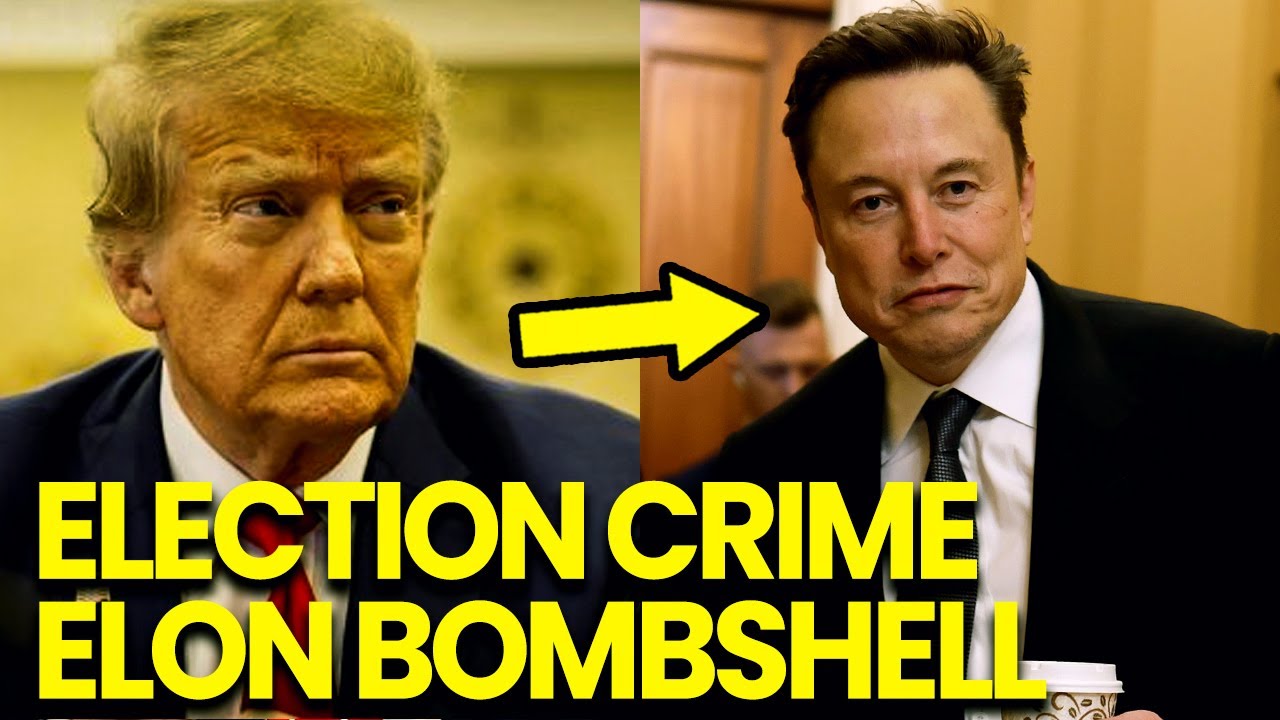
In a political moment that rapidly dominated the digital conversation, former President Donald J. Trump erupted online after Elon Musk posted — and later deleted — a statement claiming he was prepared to “drop” what he described as an “election crime” bombshell. Though Musk did not provide evidence or additional details, the remark ignited an immediate storm across social platforms, fueling speculation, partisan commentary and renewed scrutiny of the already fragile relationship between the two high-profile figures.
The episode, which unfolded late Tuesday evening, quickly became one of the most widely discussed political stories of the week. According to analytics from multiple social-monitoring services, related hashtags surged into the top trends within hours, reflecting both the virality of Musk’s comment and the intense public interest surrounding any suggestion of impropriety tied to the election system — particularly when invoked by one of the world’s most influential tech leaders.
A Public Rift Months in the Making
The online clash did not emerge out of nowhere. For months, aides and political analysts have noted simmering tensions between Mr. Trump and Mr. Musk, despite Musk’s previous political donations, strategic meetings with the Trump campaign and public gestures of alignment on certain policy issues.
People close to both men, who spoke on condition of anonymity to describe private conversations, say the two have repeatedly disagreed over federal spending, regulatory policy and the future of U.S. technology infrastructure. Those tensions appeared to intensify in recent weeks after Musk voiced criticism of several administration-backed proposals, including a major spending package he described as “economically reckless.”
Mr. Trump, who is known for responding swiftly and publicly to perceived disloyalty, issued a series of posts accusing Musk of “grandstanding,” suggesting the billionaire “owes his success to federal support” — a reference to historic contracts awarded to SpaceX and subsidies in the electric-vehicle industry.
The Viral Post — and Swift Retraction
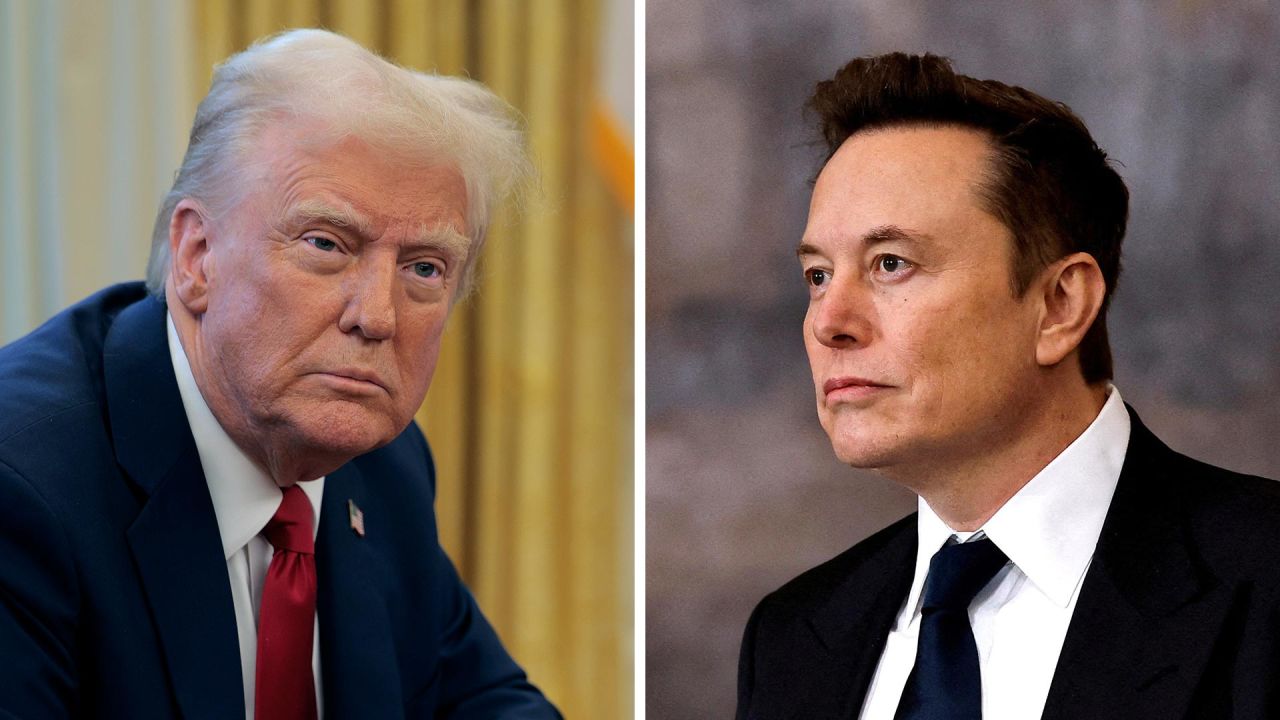
The controversy reached a fever pitch when Musk wrote that he was prepared to reveal an “election crime” involving unnamed figures, prompting an immediate online firestorm. Within hours, the post had been screenshot, shared and debated widely, despite Musk removing it from his platform.
A spokesperson for Musk declined to clarify what the CEO was referring to, emphasizing instead that the post was “misinterpreted” and “not intended to make any specific allegation.” The ambiguity, however, did little to slow the spread of speculation.
Mr. Trump responded forcefully, accusing Musk of “irresponsible insinuations” and suggesting he had “crossed a line.” Several people familiar with the matter said the former president privately expressed anger over what he viewed as a betrayal.
Insider Accounts Point to Escalating Tensions
Behind the scenes, the situation appears even more complex. According to two individuals with direct knowledge of internal communications, senior advisers within the Trump orbit were divided on how aggressively to confront Musk. Some urged a measured response, warning that Musk’s influence — particularly among younger and independent voters — remains significant. Others advocated a more combative approach, arguing that permitting Musk’s claim to go unanswered could embolden critics.
Musk’s team, meanwhile, reportedly spent hours assessing how to mitigate the fallout. One adviser said the decision to delete the original message came after internal discussions about “avoiding misinterpretation in a politically sensitive environment.” Still, aides concede the episode highlights Musk’s unpredictable communication style, which has long been viewed as both a strategic asset and a liability.
Public Reaction and Political Implications

The incident triggered an intense reaction across the political spectrum. Supporters of Mr. Trump dismissed Musk’s remark as “reckless speculation,” while Musk’s defenders argued he was being unfairly targeted for raising concerns about transparency — even without specifics. Critics of both men seized on the moment to highlight what they described as the “volatile dynamic” between politics and tech moguls with vast online reach.
Political strategists say the feud may carry broader implications. As the 2026 midterms approach, both men command substantial influence within overlapping voter blocs. A public rupture risks fragmenting conservative messaging and weakening the cohesion of constituencies essential to Republican electoral prospects.
Further, the episode underscores the degree to which political discourse is increasingly shaped by impulsive, high-velocity exchanges among elite figures on social platforms — interactions that can shift narratives in minutes and generate far-reaching consequences.
Looking Ahead
For now, the immediate fallout remains uncertain. Neither Musk nor Mr. Trump has indicated an interest in reconciliation, and both have continued posting pointed remarks hinting at deeper disagreements. Analysts expect the discord to persist, at least in the near term, particularly if Musk continues to position himself as an independent actor unaligned with any singular political camp.
Whether the conflict fades as a momentary online flare-up or evolves into a defining rupture between two towering figures of modern American politics remains to be seen. But for now, the clash has raised questions about influence, loyalty and the power dynamics reshaping the intersection of technology, politics and public communication.