Newsom Presses Trump on Federal Fire Aid in Tense Washington Exchange as Political Messaging Collides With Public Concerns
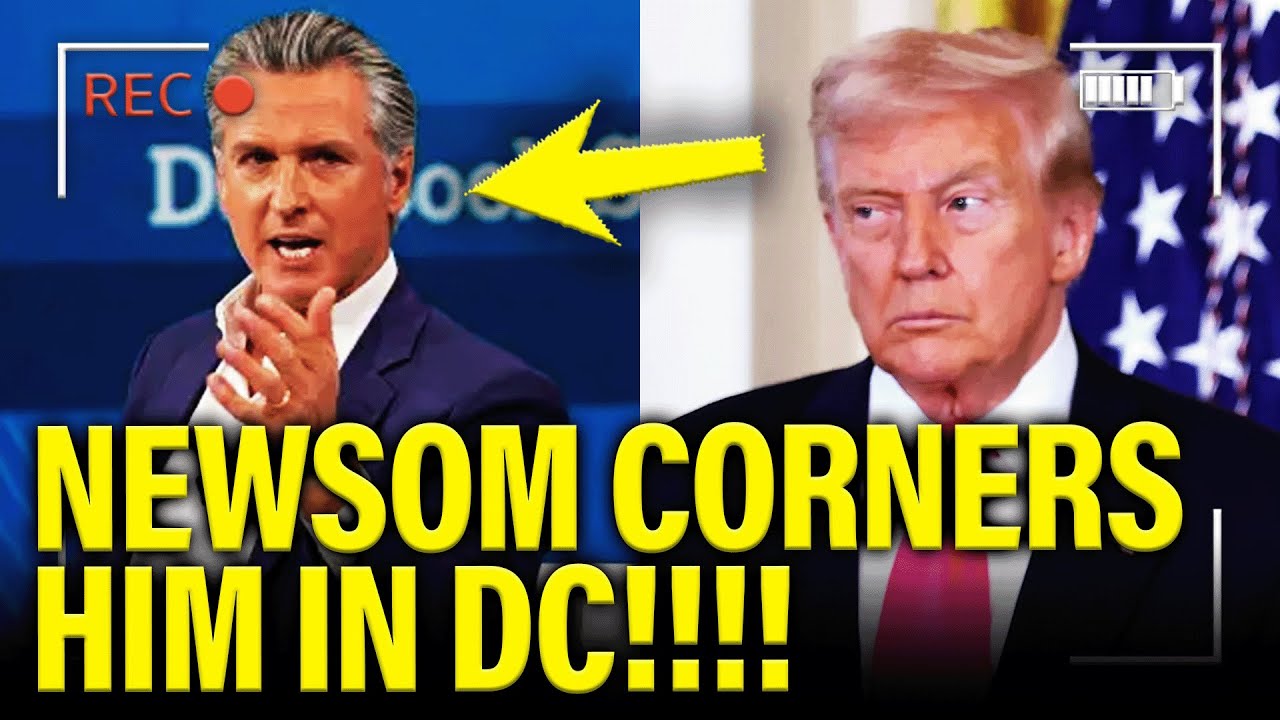
Washington — A tense and unusually personal exchange between California Governor Gavin Newsom and former President Donald J. Trump unfolded in Washington on Tuesday, drawing national attention and heightening scrutiny of the strained relationship between the two political rivals. The conversation, which took place during a scheduled White House–state leadership meeting on climate disasters, quickly veered off script as Mr. Newsom confronted the former president over delays in federal wildfire assistance.
According to several individuals in the room, the governor pressed Mr. Trump with a pointed critique of proposed budget reductions affecting disaster response programs, arguing that the federal government was “abandoning states on the front lines of climate crisis.” Witnesses said the exchange became increasingly tense as Mr. Trump, described by aides as appearing “fatigued” after a series of back-to-back meetings, attempted to redirect the discussion to issues of state forest management.
The moment, captured partially by pool cameras before the press was ushered out, quickly became a centerpiece of political debate, with clips circulating widely across social media. The episode raised questions not only about the substance of federal–state coordination but also about the political optics surrounding Mr. Trump’s demeanor during the meeting — a subject his team moved rapidly to downplay.
A Policy Dispute Turns Confrontational
The meeting, initially billed as a technical discussion on emergency preparedness, took on a combative tone within minutes. Mr. Newsom challenged federal budget proposals that would reduce funding for early detection systems, aerial firefighting capacity and post-disaster recovery grants.
“We cannot respond to 21st-century climate disasters with 20th-century budgets,” Mr. Newsom said during the closed-door portion of the meeting, according to two participants. “California is not asking for favors — we’re asking the federal government to meet its obligations.”
Mr. Trump reportedly countered that California should take greater responsibility for forest management and insisted his proposals were part of a broader effort to streamline federal spending. The former president also suggested that the governor’s public criticisms were politically motivated.
But observers noted that the dispute reflected deeper philosophical divisions over the role of federal disaster policy in an era of more frequent climate-driven catastrophes.
White House Messaging Comes Under Pressure

As news of the confrontation spread, reporters peppered the White House with questions about Mr. Trump’s performance and the administration’s rationale for proposed funding adjustments. The press office struggled to maintain a unified message, at one point emphasizing efficiency, then cost containment, before arguing that state and federal responsibilities had become “misaligned.”
Communications experts said the inconsistent messaging created the appearance of a scrambled response.
“This is a White House that prefers message discipline,” said Dr. Lenora Mitchell, a political communication scholar at Georgetown University. “But the fluidity of this confrontation — and the viral nature of the clips — forced them off-balance.”
Particular attention fell on brief footage showing Mr. Trump appearing strained during the meeting. His advisers quickly dismissed concerns, describing him as “fully engaged,” “sharp,” and “focused on results.”
Democratic officials, meanwhile, argued that the administration’s shifting explanations reflected deeper uncertainty about its policy direction.
Newsom Amplifies the Moment
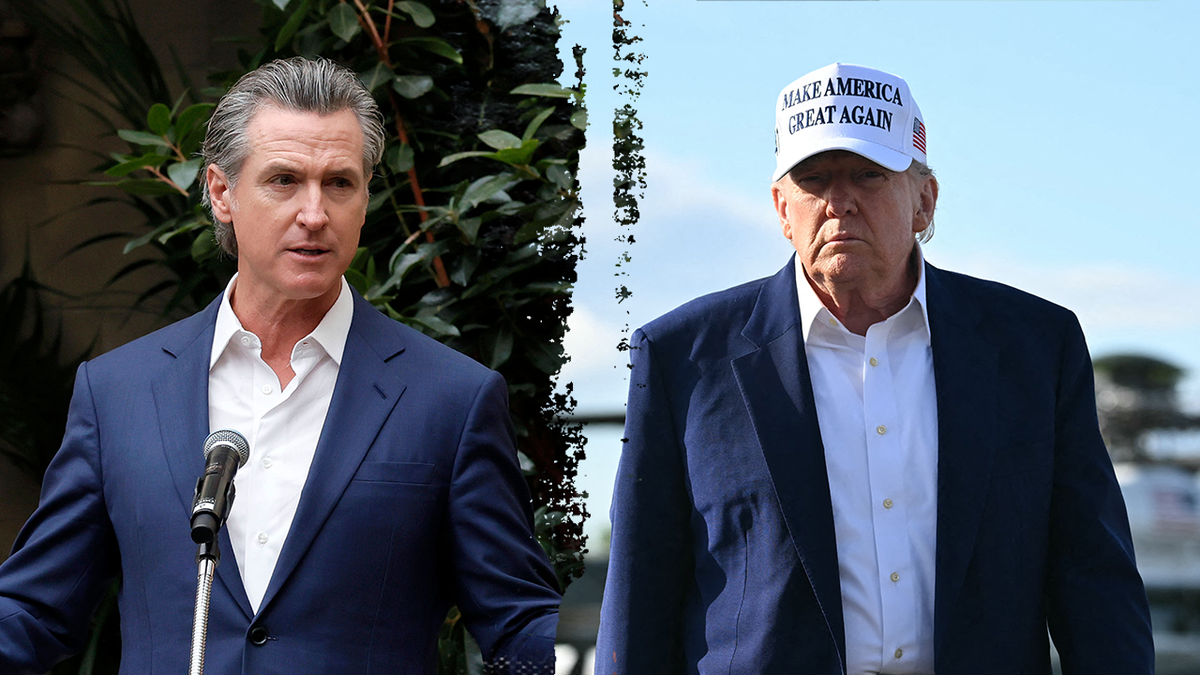
Mr. Newsom did not attempt to downplay the confrontation. Instead, he leaned into the political contrast, expanding his criticism during a press gaggle outside the Capitol.
“California is burning, the West is burning,” he said. “This is not the moment for budget cuts or political theatrics. We need a partner, not a stumbling block.”
The governor also took aim at what he characterized as “performative austerity,” arguing that the administration’s proposals would disproportionately harm states facing intensifying natural disasters.
Republican officials pushed back, accusing the governor of grandstanding. One senior adviser to Mr. Trump described the encounter as “a choreographed spectacle designed for social media.”
A Digital Eruption and a Broader National Debate
Within hours, hashtags related to the meeting dominated social platforms, with users sharing edited clips, commentary, memes and contrasting narratives of the confrontation. Supporters of Mr. Newsom circulated footage emphasizing his directness. Trump allies countered with clips highlighting the governor’s most forceful moments, framing them as disrespectful.
Political analysts said the online reaction reflects a broader pattern: high-stakes policy disagreements increasingly unfold first in closed-door meetings and then are reframed through viral media ecosystems.
“What was once a technical budget dispute becomes a national cultural moment,” Dr. Mitchell said. “Both sides understand this — and navigate it accordingly.”
Policy Stakes Remain High

Beyond the rhetoric, billions of dollars in federal climate and disaster funding remain unresolved. Western states have urged Congress to preserve or increase allocations for mitigation and emergency response, while several House Republicans argue that spending must be restrained amid deficits.
Experts say the showdown between Mr. Newsom and Mr. Trump underscores the urgency of modernizing national disaster infrastructure.
“These disagreements are not merely political — they are existential,” said Thomas Heller, a wildfire risk strategist. “The systems currently in place cannot withstand the scale of events states are now facing.”
Looking Ahead
Despite the public tension, aides on both sides said discussions would continue. Governors from multiple states are expected to meet with federal officials next month to negotiate funding priorities.
Whether Tuesday’s clash becomes a footnote in the broader negotiations or a defining moment in the relationship between Mr. Trump and Democratic-led states remains to be seen.
But for now, the exchange highlights a familiar dynamic in modern American governance: deep policy divisions presented through intensely public, personality-driven confrontation — amplified instantly across a political landscape already on edge.