Pressure Mounts on Speaker Johnson as Republicans Confront Uncertain Majority and Internal Anxiety
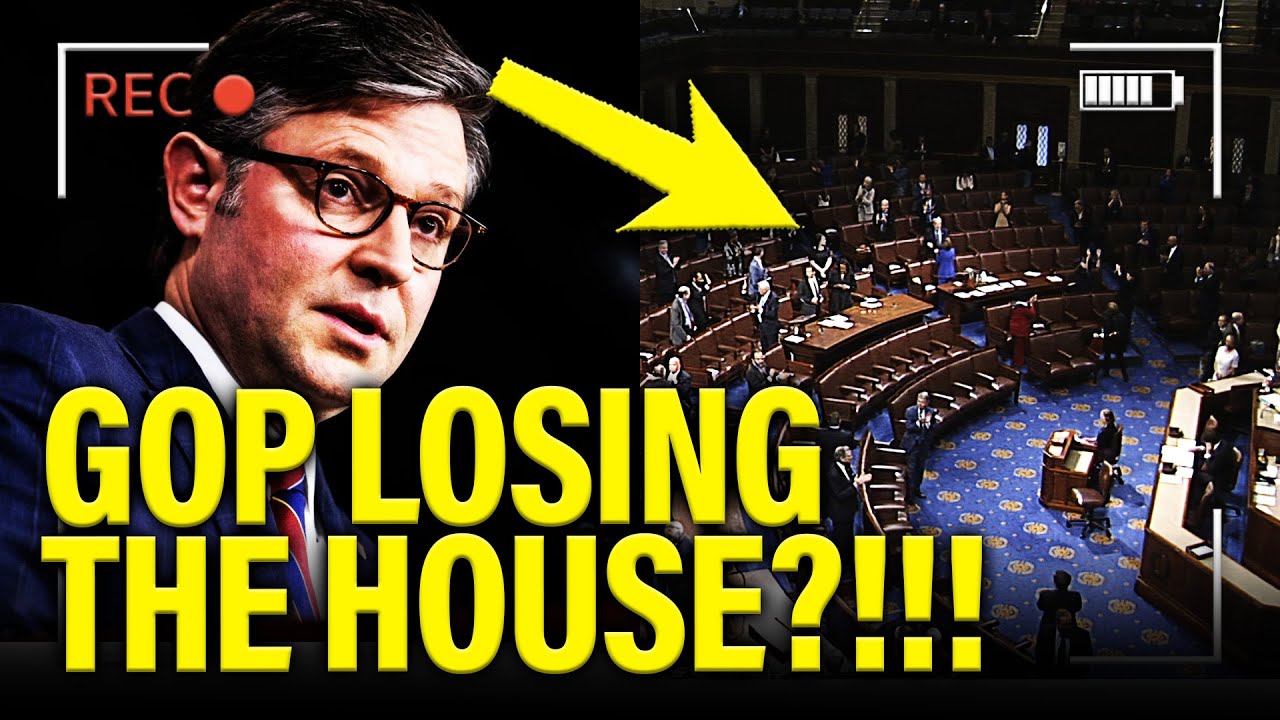
Washington — Speaker Mike Johnson is facing intensifying political pressure as Republicans brace for the possibility of losing a previously secure House seat in Tennessee, a development that party strategists say could further destabilize an already fragile GOP majority. While the race remains competitive and no votes have yet been counted, the mere possibility of an upset has triggered unusually frank discussions inside the House Republican conference about leadership, party cohesion and the sustainability of the razor-thin majority.
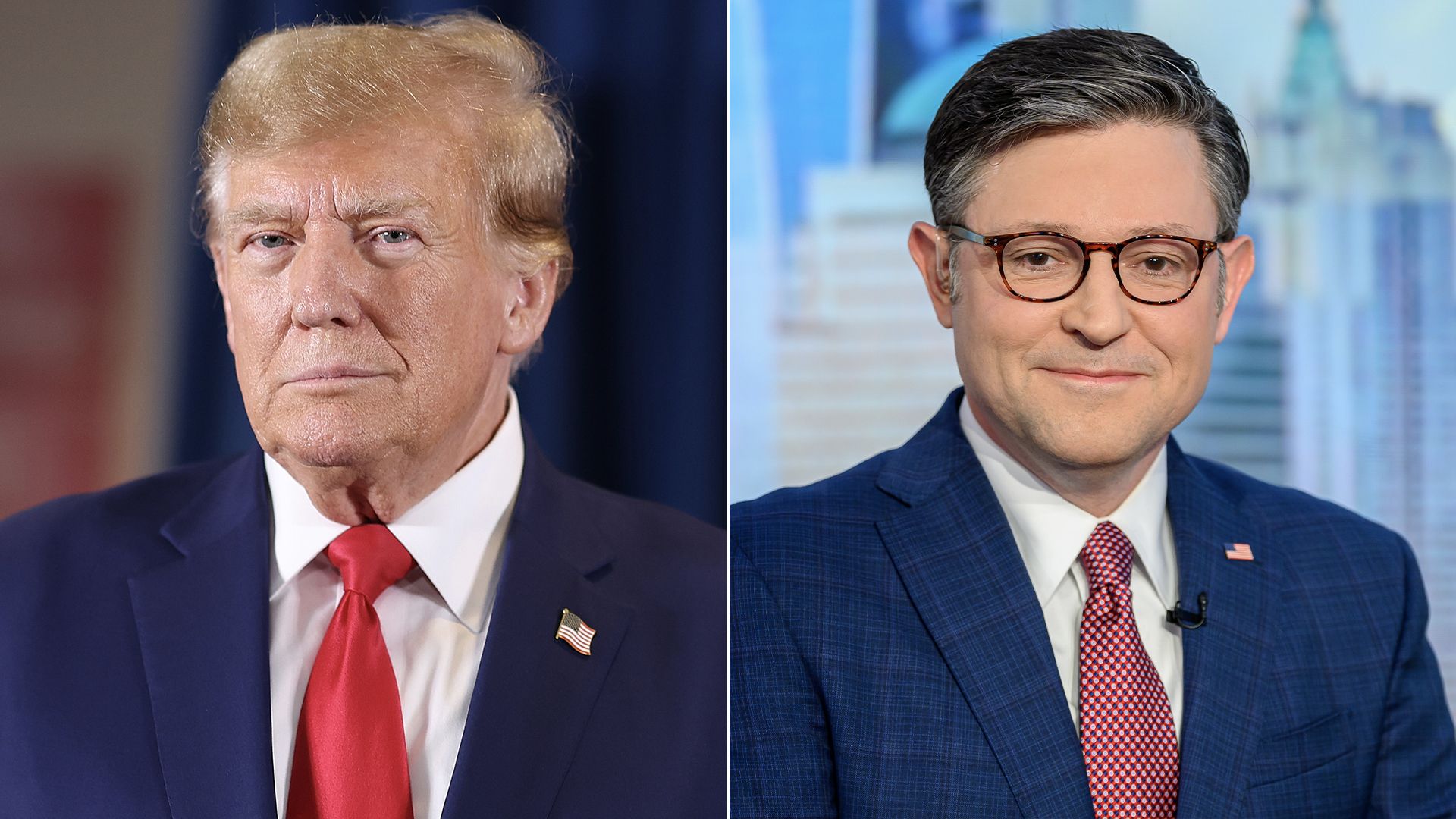
According to multiple senior GOP aides, Mr. Johnson traveled to the district in question late last week, meeting with local officials, donors and volunteers in an attempt to reinforce turnout. Photographs circulating on social media appeared to show the Speaker campaigning alongside prominent local Republicans, wearing apparel associated with former President Donald J. Trump. Allies described the visit as “routine,” but several staffers acknowledged privately that the Speaker viewed the race as a potential inflection point.
“It’s not about one seat in isolation,” one senior House Republican aide said. “It’s about the psychology of the majority. A competitive loss — especially in a district we’ve held comfortably — would raise hard questions.”
A Majority on the Brink
The Republican margin in the House has proven volatile in recent months, strained by resignations, narrow special elections and intraparty disagreements. While the majority has fluctuated, it remains among the tightest in modern congressional history, forcing Mr. Johnson to negotiate carefully with both moderate and hard-line factions.
Several GOP lawmakers, speaking anonymously, said that persistent whispers about additional potential resignations have deepened concerns. Some attributed the rumors to frustration over legislative gridlock. Others cited personal calculations, including fundraising difficulties and increasingly hostile primary environments.
Mr. Johnson has dismissed speculation that his leadership is at risk, telling reporters on Capitol Hill that he is “focused on governing” and that the conference remains “united in purpose.” But he has also acknowledged the complexity of managing a narrow majority, saying last week, “We do the work we can with the numbers we have.”
A Tennessee Race Draws Unusual National Attention

The race attracting attention is a special election in a district that has historically leaned strongly Republican. Analysts caution that polling in low-turnout special elections is notoriously imprecise, and both parties have acknowledged that vote margins can be unpredictable.
Democratic operatives have sought to frame the contest as a referendum on national leadership, targeting independent voters and suburban Republicans who have expressed fatigue with congressional dysfunction. Republican strategists, meanwhile, argue that Democratic enthusiasm is being overstated and that the fundamentals still favor the GOP.
Still, it is unusual for national leaders — particularly a sitting Speaker — to intervene so visibly in a district previously considered safe. One veteran Republican strategist called it “a sign of the times.”
“The House majority is so thin that even hypotheticals carry weight,” the strategist said. “If Democrats can make deep-red districts competitive, the psychological effect is enormous.”
Leadership Anxiety Inside the Conference
Even before the Tennessee race drew headlines, Mr. Johnson had been confronting persistent challenges from the right flank of his caucus. Some members have expressed frustration with recent bipartisan spending bills, arguing that the Speaker has conceded too much to Democrats. Others contend that the conference’s most conservative members have made governing “functionally impossible.”
Leadership experts say the Speaker’s position is inherently vulnerable. The House has maintained rules allowing a single member to initiate a motion to vacate the chair — the same mechanism that led to the ouster of former Speaker Kevin McCarthy.
“So long as that rule remains in place, every Speaker is at risk,” said Dr. Georgia Whitlock, a congressional scholar at the University of Virginia. “The governing coalition is held together by thin threads.”
Privately, several GOP lawmakers said they hoped Mr. Johnson would not face a challenge, noting that further leadership turmoil would harm the party ahead of the general election. “The last thing we need is more chaos,” one Republican said.
The Broader Stakes

Beyond immediate political calculations, analysts say the race reflects deeper structural challenges confronting both parties. Special elections have become increasingly nationalized, with outside money, national messaging and rapid-response digital operations shaping even low-profile contests.
If Republicans were to lose the seat, Mr. Johnson’s ability to pass legislation — already limited — could narrow further. Even if the GOP holds it, the anxiety surrounding the contest underscores the Speaker’s precarious position.
“Perception matters almost as much as the final vote count,” said Whitlock. “If your members believe the majority is slipping away, discipline erodes. That’s the challenge Speaker Johnson faces.”
Awaiting Election Results
As polls prepare to close, both parties are bracing for a long night. House Republicans have scheduled contingency calls for Tuesday and Wednesday, though senior aides insisted the planning is standard practice.
Democrats, while avoiding overt predictions, say the competitive atmosphere signals shifting electoral dynamics. Republicans counter that media narratives exaggerate internal divisions.
Whatever the outcome, the race has forced attention on the delicate equilibrium of a deeply divided House — and on the political calculations facing a Speaker navigating one of the most unpredictable governing environments in decades.