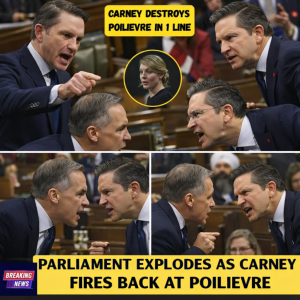
A Viral Clip Captivates the Internet: Why an Unverified Obama–Trump Exchange Is Dominating the Online Conversation

In recent days, a widely shared video purporting to show former President Barack Obama delivering a devastating on-air takedown of former President Donald J. Trump has surged across social media platforms, amassing millions of views within hours. Although no verified broadcast matching the description has been identified, the clip and the sensational narrative surrounding it have become one of the week’s most talked-about digital phenomena, underscoring how quickly politically charged content can eclipse traditional news cycles.
The episode highlights a familiar dynamic in American public discourse: the public’s insatiable appetite for stories featuring sharp political contrast, coupled with a digital environment eager to propel such narratives to viral status — even when the underlying facts remain unclear.
The Rise of an Unverified Political Spectacle
The video, shared widely on X, TikTok, and YouTube, claims to capture a live television moment in which Obama delivers a series of sharp, humorous critiques of Mr. Trump. Social media captions describe Trump “losing it instantly,” “pacing in rage,” or enduring “one of the most humiliating on-air meltdowns of his career.” Many posts frame the incident as an explosive, unscripted clash broadcast before a stunned audience.
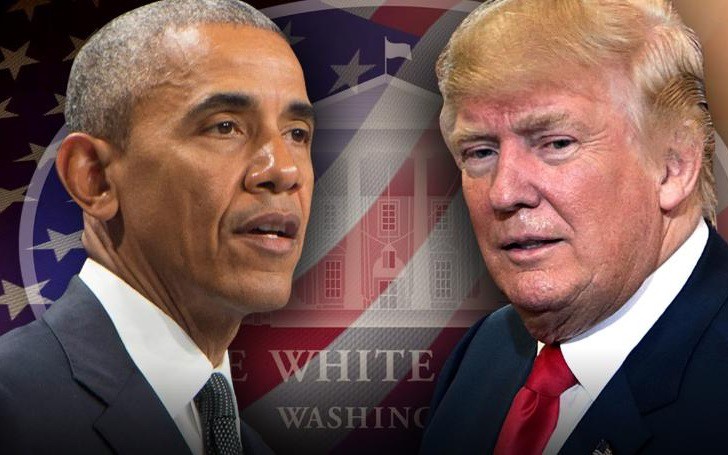
However, a review of network schedules and available recordings reveals no match for the scene described. Major news outlets — including CNN, Fox News, MSNBC, and the major broadcast networks — reported no such televised exchange. The absence of corroborating evidence suggests that the clip is either edited, taken out of context, or misrepresented entirely.
Yet facts have done little to slow the clip’s momentum. Its viral trajectory offers a revealing case study in how political entertainment, even when detached from reality, can dominate online conversation.
Why Audiences Were So Easily Drawn In
Media analysts say the appeal of the story lies in how seamlessly it taps into existing public narratives. Obama and Trump represent sharply contrasting political styles: one known for measured, articulate rhetoric; the other for his brash, combative persona. Their ongoing symbolic rivalry makes them ideal protagonists for stories framed as dramatic confrontations.
“These viral clips work because they align with viewers’ expectations,” says a communications professor at Northwestern University. “People are less concerned about whether something happened exactly as described. They are responding to what the clip represents: a continuation of an ongoing cultural and political conflict.”
The framing of the alleged exchange — dramatic, humorous, and emotionally charged — mirrors the structure of successful political memes. It offers the audience a moment of catharsis, even if that moment is largely constructed.
The Power of Algorithmic Amplification
Beyond emotional resonance, algorithms play a decisive role. Platforms prioritize short-form political entertainment because it consistently drives engagement: likes, comments, debates, and rapid sharing. Once a clip begins gathering steam, it enters what researchers call an “amplification loop,” where each new interaction increases its visibility.
Social media companies have repeatedly faced criticism for enabling the spread of unverified or misleading political content, yet the mechanisms behind viral success remain largely unchanged. Content that blends humor, conflict, and high-profile personalities remains especially potent.

“This type of video is algorithmic gold,” one digital media analyst observed. “It doesn’t matter whether it’s unverified — what matters is that people react to it.”
Truth and the Post-Truth Audience
While many viewers engage with the video as entertainment, a significant portion appears to accept it as factual. The comments sections across multiple platforms include heated political arguments, with some users citing the clip as evidence of broader political claims.
The episode offers a reminder of the challenges facing media literacy in the post-truth era. As manipulated or decontextualized content circulates freely, audiences increasingly rely on intuition, political alignment, or emotional resonance rather than evidence when evaluating information.
“The issue isn’t that people are being deceived,” notes a political psychologist. “It’s that many people are no longer prioritizing truth in the first place.”
A Mirror of the Current Media Landscape
Whether the clip proves to be edited, misinterpreted, or entirely fabricated, its rapid spread reveals more about the digital ecosystem than about the political figures it involves. The public remains deeply invested in narratives featuring confrontation and spectacle, and platforms are structurally designed to reward content that satisfies those impulses.
The viral Obama–Trump clip may ultimately fade, but its success underscores a larger cultural shift: in a fragmented information environment, emotionally compelling stories often overshadow verified facts. Understanding — and navigating — that reality has become an essential skill for anyone consuming news in the modern era.