Kimmel’s Satirical Reveal of Trump’s “1965 SAT Card” Sparks a Coast-to-Coast Debate
In an era when late-night comedy has become a parallel newsroom of its own, Jimmy Kimmel once again found himself at the center of a political whirlwind — this time after airing a satirical “1965 SAT card” attributed to President Trump. The moment, which unfolded during Tuesday’s broadcast of Jimmy Kimmel Live!, came just hours after Trump publicly mocked Harvard graduates at a rally, questioning the value of elite education and those who pursue it.
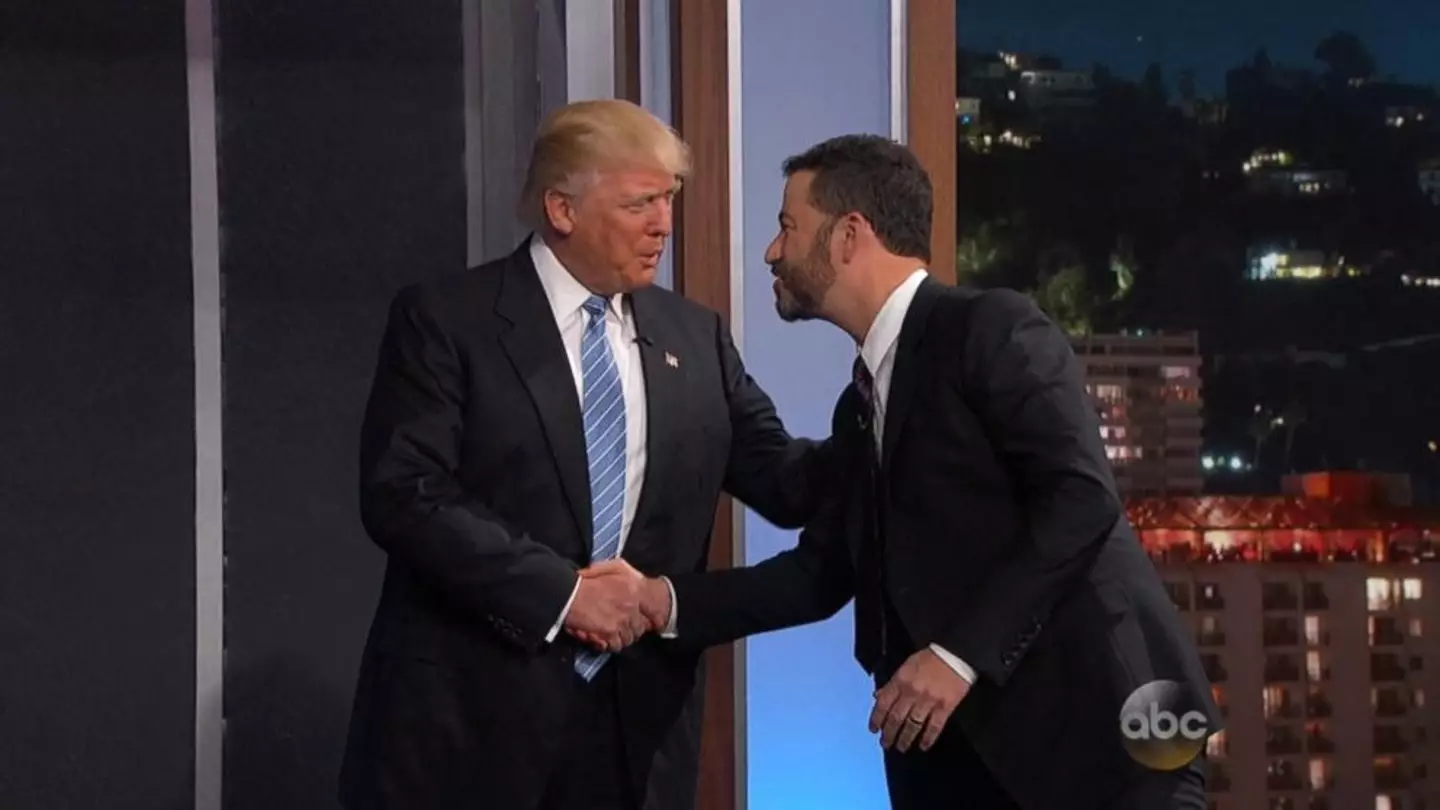
What happened next was quintessential Kimmel: a blend of comedy, theatrical timing, and pointed political commentary. But the reaction it triggered — from laughter to outrage to earnest policy discussion — underscored how entertainment and politics have fused into a single national conversation.
Kimmel began the segment by replaying Trump’s remarks, highlighting the President’s latest criticism of Ivy League institutions. Then, in a tone calibrated somewhere between mock indignation and comic disbelief, the host announced he had obtained “a historic document” offering “clarity” on Trump’s relationship with academic achievement.
When the screen behind him lit up with an image of what he jokingly described as Trump’s “1965 SAT card,” the audience erupted. The card, presented as part of a comedic bit, was intentionally exaggerated and obviously theatrical — a prop designed to satirize Trump’s long-standing self-portrayal as a man of superior intelligence. Kimmel emphasized the absurdity, pausing frequently to allow the crowd’s laughter to crest before adding rhetorical flourishes.
Still, what distinguished the segment was not the humor alone but the way it tapped into a long-running tension in American politics: the clash between anti-elitist rhetoric and the cultural weight of elite institutions. Kimmel’s bit, though fictional and comedic, became a vehicle for a broader national reaction — one that asked why education, credentials, and academic performance remain such potent symbols in the political arena.
Within minutes of the broadcast, clips circulated widely across social media platforms, generating a cascade of reactions that blended entertainment, partisanship, and genuine inquiry. Trump supporters dismissed the moment as disrespectful — another example, they argued, of Hollywood mocking a President who appeals to ordinary Americans. Critics of Trump, meanwhile, framed the bit as karmic theater: a satirical counterpunch after the President’s latest comments about Ivy League graduates.
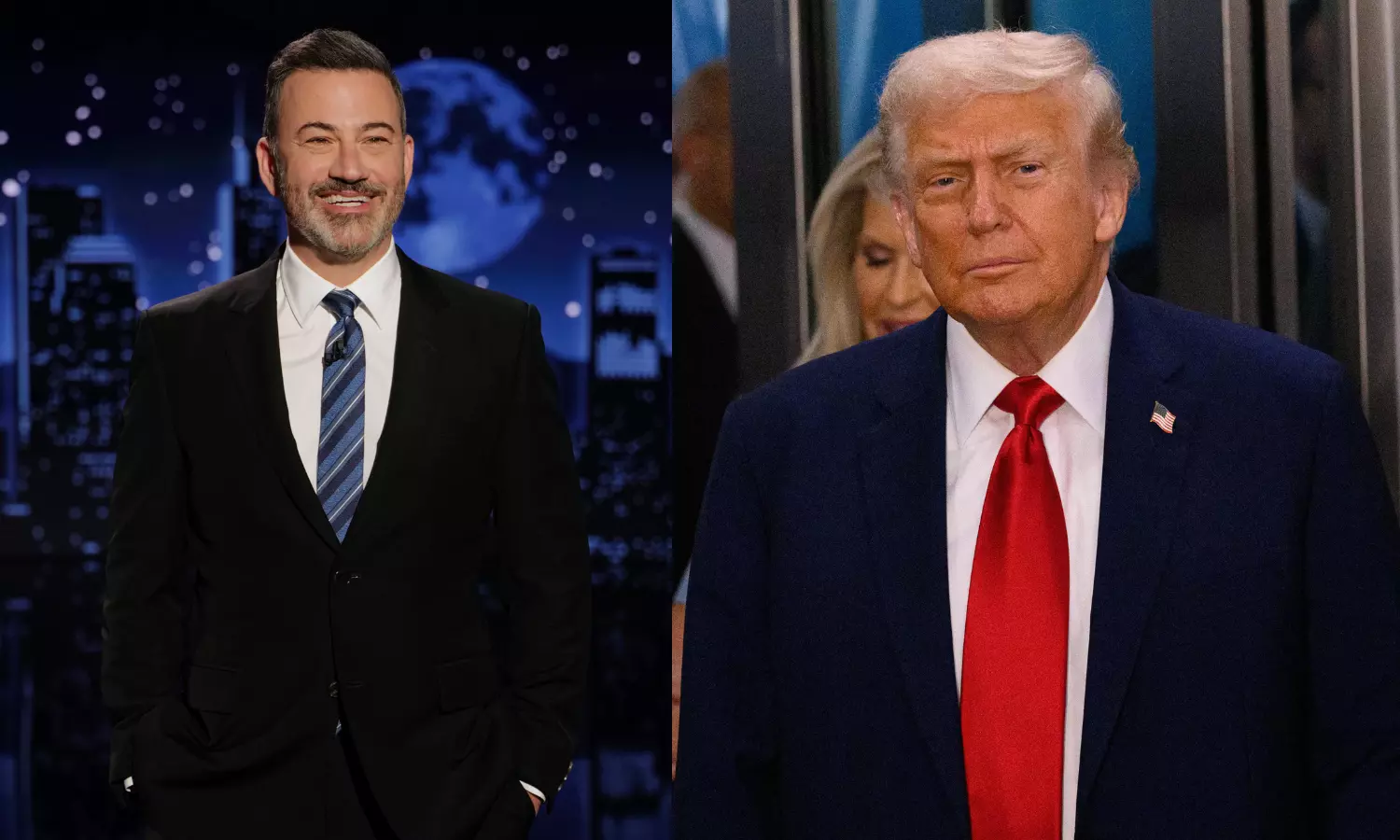
By midnight, political commentators across the spectrum weighed in. Some treated Kimmel’s performance as pure late-night irreverence. Others interpreted it as a cultural commentary on how public figures craft personal histories, including academic ones, to bolster their political narratives. A few observers went further, noting how the segment highlighted a broader shift in American media: the increasing reliance on comedy to unpack — or expose — the contradictions of political messaging.
Inside Mar-a-Lago, according to aides who spoke on background, the President watched at least part of the segment in real time. While the details of his reaction remain unconfirmed, those familiar with Trump’s media habits noted that his response to late-night satire has historically oscillated between irritation and counterattack. Several insiders suggested that the mock SAT card may resurface in Trump’s next rally remarks, becoming a talking point in the cycle of political-entertainment crossfire.
But the more interesting aftermath unfolded beyond the political arena. Educators, psychologists, and policy analysts chimed in, using the viral moment to revisit longstanding questions about standardized testing and its influence on American social mobility. That the conversation began with a late-night comedy bit underscores how porous the boundaries have become between civic discourse and entertainment.

Viewed through a broader lens, Kimmel’s reveal was less about the fictional SAT card and more about the role comedians now play in shaping political narratives. Late-night hosts like Kimmel, Stephen Colbert, and Seth Meyers have increasingly taken on the dual role of entertainers and cultural commentators — voices that interpret, distill, and sometimes lampoon the nation’s political climate.
Whether the episode will have lasting significance is uncertain. What is clear is that the moment resonated far beyond the confines of a studio audience. It tapped into insecurities about education, class, and merit. It questioned the narratives politicians craft about themselves. And it illustrated how satire — when executed with precision — can provoke conversations that outlast the punchline.
In the end, Kimmel’s segment was a reminder that in contemporary America, political debate no longer unfolds solely in congressional chambers or editorial pages. Increasingly, it takes shape under stage lights, in front of audiences seeking both humor and insight. And as long as the line between politics and entertainment continues to blur, moments like this one will remain defining features of the country’s broader cultural dialogue.