In the ever-evolving world of sports and identity politics, few topics stir as much emotion as the intersection of race, culture, and representation. WNBA rookie and rising star Angel Reese is currently at the center of a heated controversy after making remarks that some interpreted as questioning fellow rookie Caitlin Clark’s place within Black culture and the league at large.
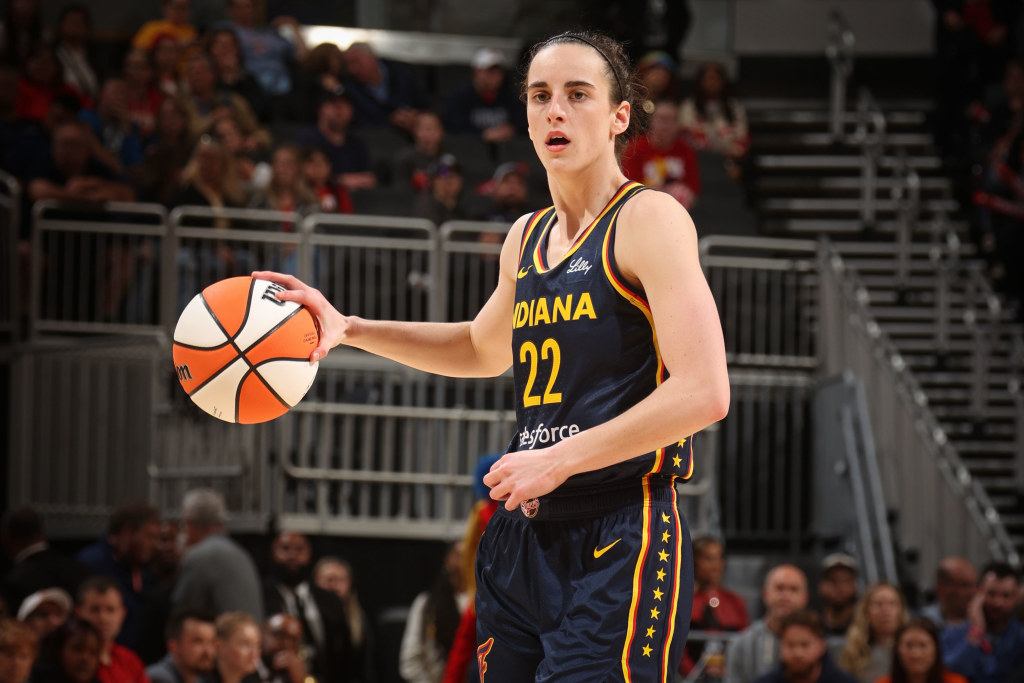
The Comments That Sparked the Firestorm
During a recent post-game interview, Reese was asked about Caitlin Clark’s popularity and influence in the WNBA. While Reese praised Clark’s talent and the attention she brings to the league, she added a comment that quickly drew scrutiny:
“It’s important that as the WNBA grows, we don’t forget who built this league — Black women. There’s a culture here, a legacy, and it deserves to be protected.”
To some, Reese was merely emphasizing the historical role Black women have played in elevating the WNBA and the need to honor that legacy. But others took her comments as a subtle jab at Clark, a white player whose meteoric rise has led to outsized media coverage, endorsements, and fanfare compared to many of her Black peers.
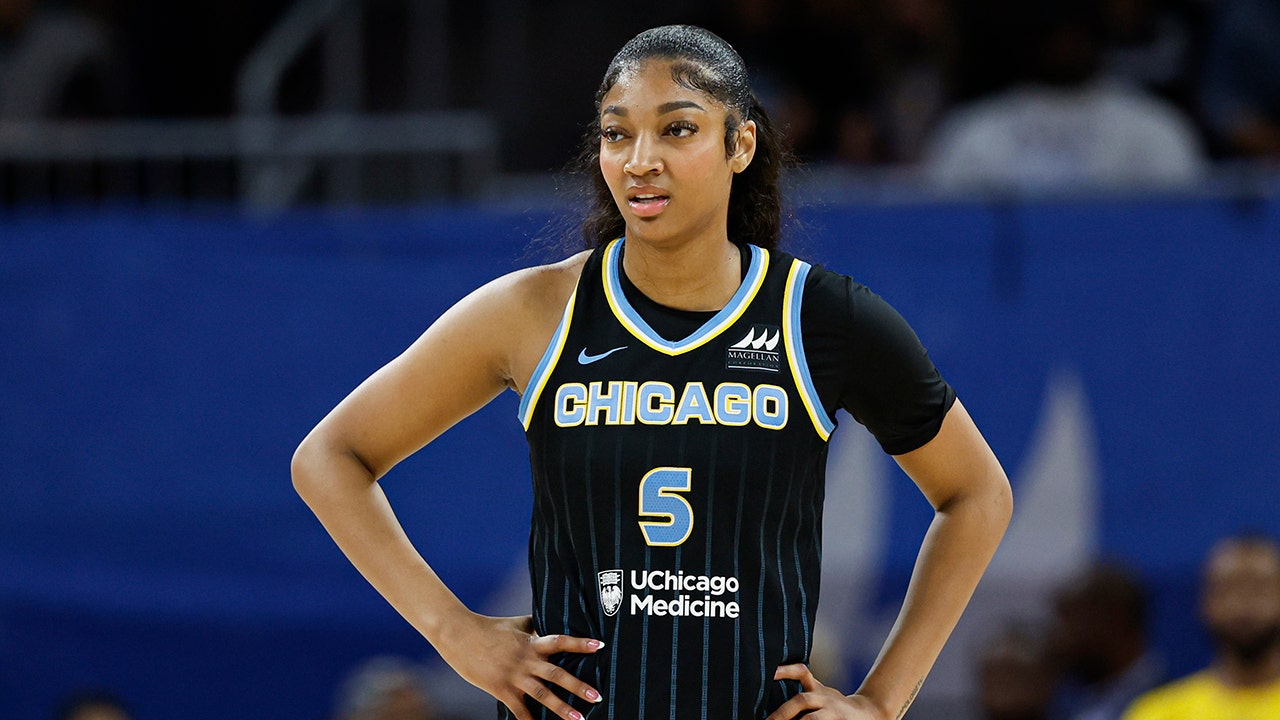
Social Media Reacts
The backlash came quickly on platforms like X (formerly Twitter), where hashtags like #AngelReese and #WNBAculture began trending within hours.
Critics accused Reese of gatekeeping and unnecessarily racializing the conversation around Clark’s presence in the league.
“Imagine telling a talented rookie she doesn’t belong because she’s not part of your culture. That’s toxic,” one user wrote.
Others defended Reese, arguing that her comments were misinterpreted and that she was simply calling for equitable recognition of the league’s foundation.
“Angel Reese is not attacking Caitlin. She’s reminding everyone that the WNBA was built on the backs of women who were never given the spotlight Clark is now receiving,” another wrote.
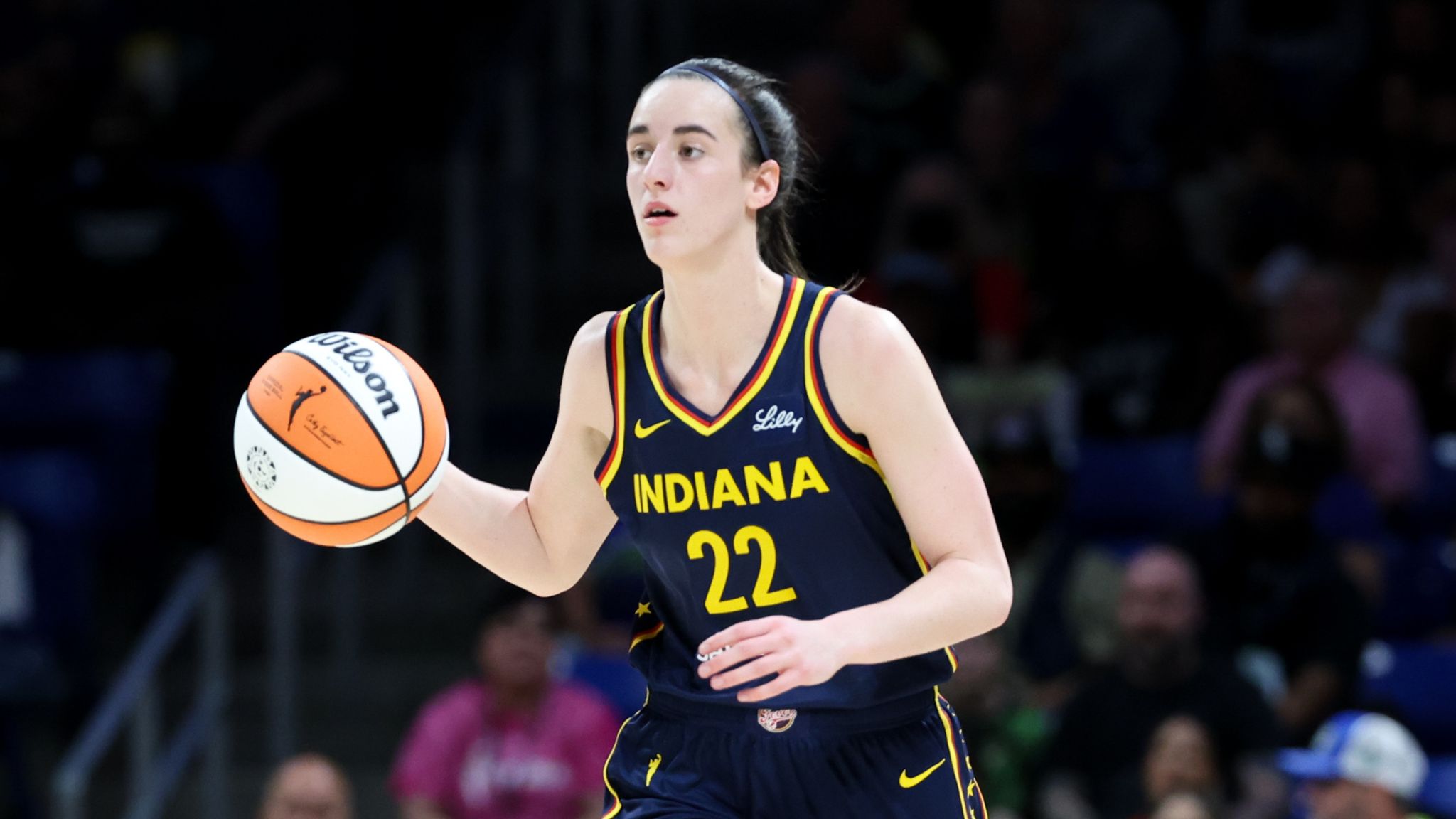
A Larger Conversation About Race and Recognition
The controversy touches on a broader issue in women’s sports: the disparities in media coverage and public attention between white athletes and athletes of color. While Caitlin Clark’s record-breaking college career and smooth transition into the WNBA have been undeniable, some argue her rise has overshadowed equally deserving Black players.
This isn’t the first time the topic has been broached. Throughout Clark’s college career at Iowa, some commentators and fans noted how white athletes often receive more visibility and endorsements in women’s sports, while Black athletes must work harder for the same level of recognition.
Angel Reese herself has faced criticism and backlash throughout her career for being “too confident” or “too emotional,” labels many see as racially coded. Her famous gesture during the 2023 NCAA championship — pointing to her ring finger while taunting Clark — became a flashpoint that mirrored the very conversation now playing out in the WNBA.
:max_bytes(150000):strip_icc():focal(726x334:728x336)/Angel-Reese-pay-112024-NA-tout-22c7e34e05ed42c2b659a07b65583f95.jpg)
Responses From Players and Analysts
Neither Angel Reese nor Caitlin Clark have released an official statement addressing the recent uproar. However, sources close to both athletes say they remain respectful of each other’s game and have no personal issues.
Former WNBA players have chimed in to provide context.
“What Angel is saying isn’t new — we’ve been talking about representation in this league for decades,” said retired star Cappie Pondexter. “Caitlin’s a baller. No doubt. But Black women have carried this league when no one was watching.”
Sports analysts have also weighed in, with ESPN’s Monica McNutt noting, “This isn’t about jealousy or animosity. It’s about acknowledging systems of visibility, marketing, and access. Reese is raising a point that’s uncomfortable but necessary.”
Moving Forward
The WNBA has long prided itself on being a progressive league, advocating for social justice and inclusion. But this moment highlights the ongoing tension between visibility, race, and fairness — especially as the league grows in popularity.
Whether Angel Reese’s comments were a misstep or a valid critique, they’ve ignited a vital conversation about who gets to be the face of women’s basketball and how cultural legacies are acknowledged in a rapidly changing media landscape.
As the season continues, all eyes will be on both Reese and Clark — not just for their performances on the court, but for how they navigate a spotlight now filled with expectation, controversy, and cultural complexity.