Breaking: Indiana Senator Deery’s Defiant ‘No’ Ignites Fury Over Trump’s Redistricting Push
In a stunning escalation of the national redistricting battle, Republican Indiana State Senator Spencer Deery declared on October 24, 2025, that he will vote against any mid-decade redraw of congressional districts aimed at bolstering President Donald Trump’s GOP majority ahead of the 2026 midterms. Deery’s firm stance—”If we are to conserve these values, they must be universal. We cannot pick and choose when we live them and when we set them aside for political expediency”—has detonated a firestorm within the party, with MAGA influencers branding him a “RINO” (Republican In Name Only) and vowing primary challenges. As social media erupts and national eyes turn to the Hoosier State, this intra-party rift threatens to derail Trump’s aggressive strategy to “lock in” Republican control of the U.S. House.
Deery, a 43-year-old West Lafayette Republican representing District 23—which encompasses Purdue University—has been a vocal skeptic since the push began in August. A former deputy chief of staff at Purdue, he frames his opposition as a defense of core conservative principles like popular sovereignty and the rule of law, enshrined in the Constitution and Declaration of Independence. “Candidates should win on the strength of their ideas, not on their ability to choose new voters,” he stated in an August press release, a position he reiterated amid mounting pressure from the White House. His district, a mix of urban academics and rural conservatives, has praised his consistency, with local constituents flooding his office with supportive calls. Yet, for Trump loyalists, Deery’s “no” is nothing short of betrayal.

The controversy traces back to Trump’s post-2024 election directive for GOP-led states to redraw maps mid-cycle, a tactic to flip vulnerable Democratic seats and expand the Republican House edge from a slim majority to a firewall. In Indiana, with nine congressional districts—all currently held by Republicans save for two Democratic incumbents, Reps. André Carson (7th) and Frank Mrvan (1st)—the plan targets those strongholds, potentially netting two GOP gains. Vice President JD Vance kicked off the Indiana effort with a Statehouse visit in early August, followed by a D.C. summit with lawmakers. Gov. Mike Braun, a Republican eyeing a Senate run, floated a November special session, citing the January 7, 2026, primary filing deadline. A 2022 special session cost taxpayers $240,000; this one could balloon higher amid partisan gridlock.
Deery’s announcement, posted on X (formerly Twitter) amid a thread on conservatism, quickly went viral, amassing over 118,000 views and 710 replies in hours. Conservative firebrand DC Draino lambasted him: “Tell me Spencer—what will be left to conserve when another 10 million illegals flood our country and Democrats pack the Supreme Court? Nothing. Drop the loser’s mentality and actually fight to conserve by WINNING.” Echoing the fury, @OcrazioCornPop dubbed it a “RINO ALERT,” urging followers to “let @SpencerDeery know what you think of him and his career!” By midday October 25, #FireDeery trended locally, with over 2,000 mentions, blending calls for his ouster with memes of Deery as a “deep state puppet.”
Supporters, however, hail Deery as a principled bulwark. Indiana Democrats, unified in opposition, praised his “courage” in a joint statement from Senate Minority Leader Greg Taylor: “Even in a red state, true conservatives like Sen. Deery recognize gerrymandering erodes democracy.” Voting rights groups like Common Cause Indiana echoed this, noting polls show 60% of Hoosiers oppose mid-decade changes. Sen. Vaneta Becker (R-Evansville) aligned with Deery, tweeting, “I have heard loud and clear from my constituents that they do not support redistricting.” The Senate GOP caucus, via spokesperson Molly Swigart, confirmed on October 22: “The votes aren’t there for redistricting,” stalling Braun’s plans.
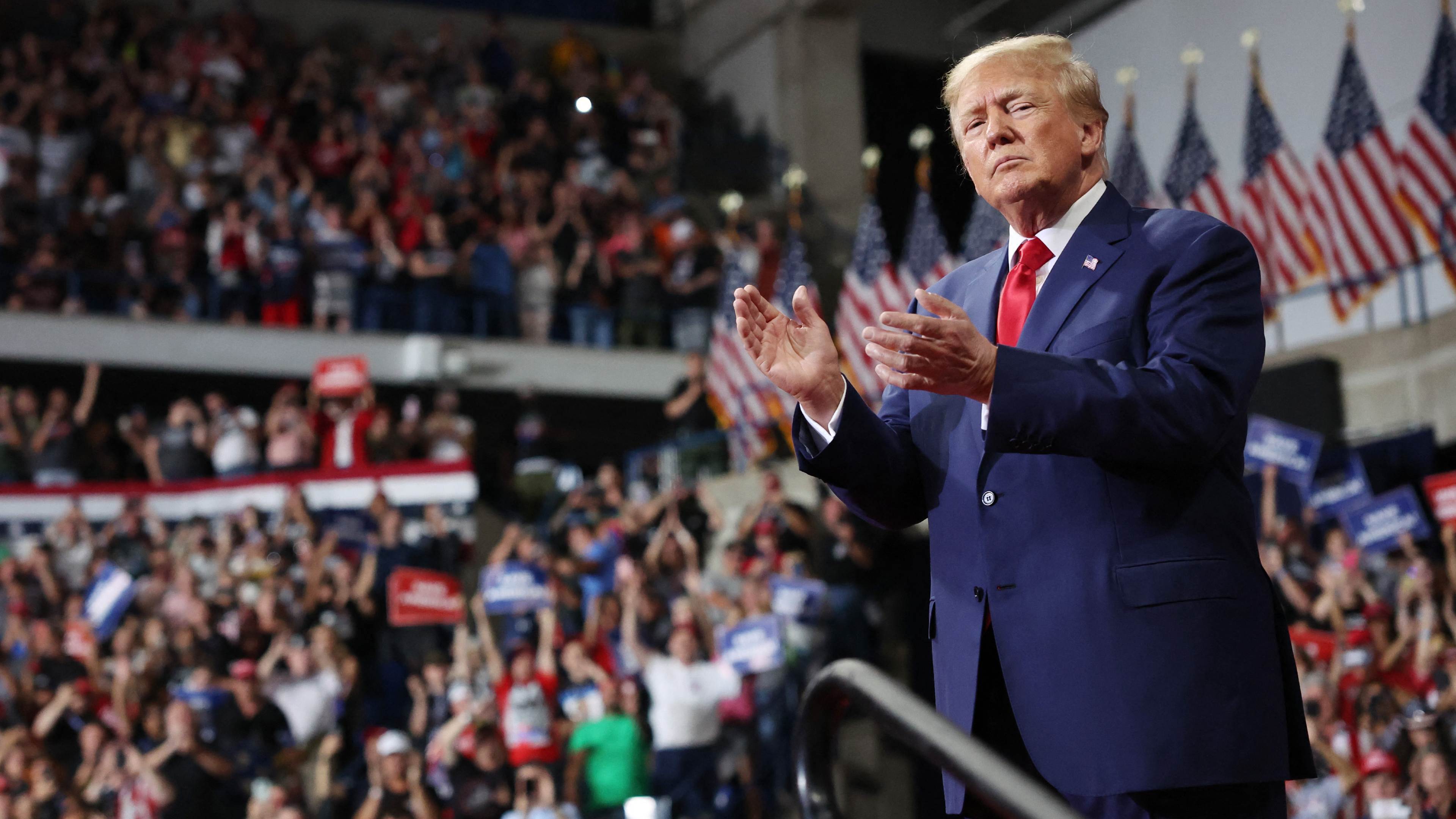
This fracture exposes deeper GOP tensions. Pro-redistricting voices, like Rep. Jim Lucas (R-Seymour), who flipped from “hard no” to “hell yes,” argue it’s defensive warfare against Democratic strongholds elsewhere. Trump himself amplified the call on Truth Social: “Indiana Republicans—don’t let RINOs hand the House back to the Radical Left! Redistrict NOW!” Yet dissenters like Deery warn of long-term peril: Normalizing mid-cycle maps could empower party establishments to crush insurgents, as in future primaries against incumbents. “It would violate popular sovereignty,” he told the Indiana Capital Chronicle, invoking decennial census norms.
Nationally, the stakes are sky-high. With Republicans holding a razor-thin House edge, Trump’s gambit mirrors past battles in Texas and North Carolina, where redraws flipped seats. But backlash has mounted: Protests at the Indiana Statehouse drew hundreds in September, chanting “No more gerrymander!” Legal challenges loom, as mid-decade shifts invite lawsuits under the Voting Rights Act. For Indiana, a no-go could embolden holdouts in other states like Ohio and Florida.
As the clock ticks toward January, Deery’s stand has galvanized both sides. Trump allies plot retaliation, with whispers of 2026 primaries against him and allies like Sens. Jim Tomes and Greg Walker. Deery, undeterred, posted a photo of his family, captioning: “Principles over politics—always.” Currently, X feeds buzz with dueling hashtags: #StandWithDeery versus #RedistrictNow, amassing millions of impressions. Protesters plan a Capitol rally for November 1, while GOP donors funnel cash to pro-Trump PACs targeting “disloyal” senators.
This saga underscores conservatism’s crossroads: tactical wins or enduring values? For Trump’s machine, Deery’s “no” is a gut punch; for reformers, it’s a beacon. As Braun weighs his next move—special session or surrender—the nation watches Indiana, where one senator’s conscience could reshape 2026’s electoral battlefield.