Turning Point USA’s All-American Halftime Show: A Cultural Counterpoint
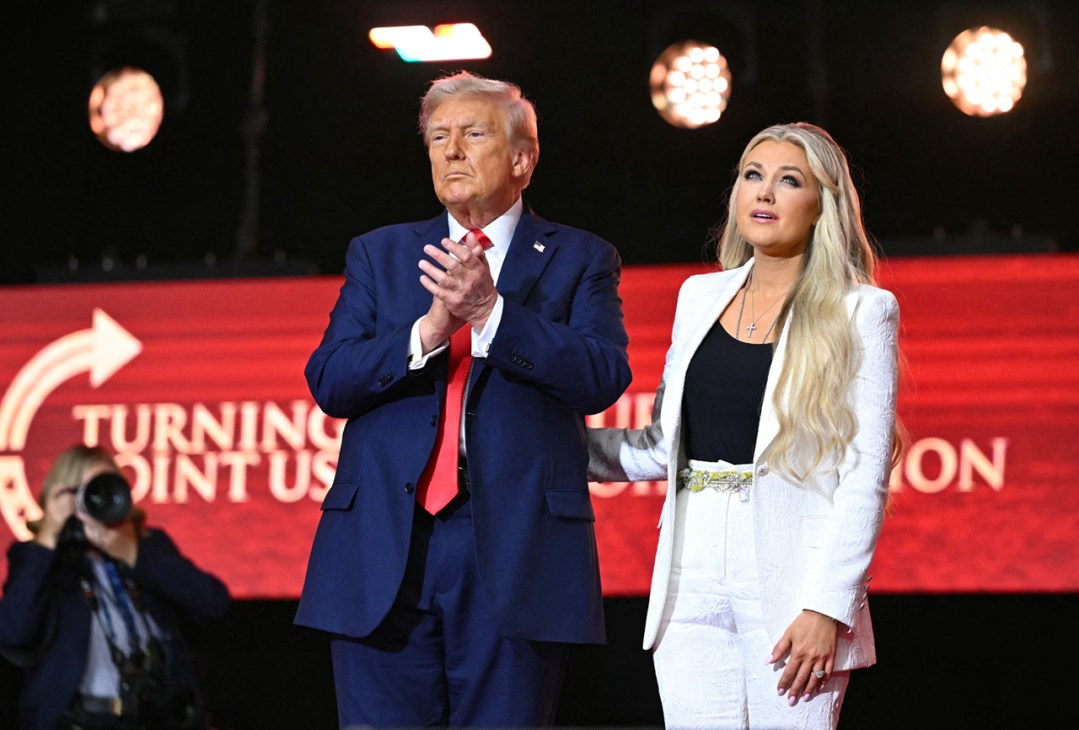
In a bold move to offer an alternative to the NFL’s Super Bowl halftime show, Turning Point USA (TPUSA), under the leadership of Erika Kirk, widow of the organization’s late founder Charlie Kirk, has announced its inaugural “All-American Halftime Show.” Scheduled to take place on February 8, 2026, the same day as the Super Bowl, this event aims to provide a patriotic, family-friendly spectacle that contrasts with the NFL’s headlining performance by global superstar Bad Bunny. The announcement has sparked widespread discussion, highlighting TPUSA’s growing influence in shaping cultural narratives and its commitment to promoting traditional American values.
Turning Point USA, a prominent conservative nonprofit, has long been a force in mobilizing young Americans around issues of free speech, limited government, and traditional values. Since Charlie Kirk’s passing, Erika Kirk has taken the helm, steering the organization with a renewed focus on cultural engagement. The “All-American Halftime Show” is a testament to her vision of reclaiming cultural spaces often dominated by progressive ideals. In a statement, Erika Kirk emphasized that the event is designed to celebrate “the heart and soul of America—its people, its history, and its enduring spirit.” She positioned the show as a response to what TPUSA perceives as the increasing politicization of mainstream entertainment, including the NFL’s choice of Bad Bunny, a Puerto Rican artist known for his provocative lyrics and progressive activism.
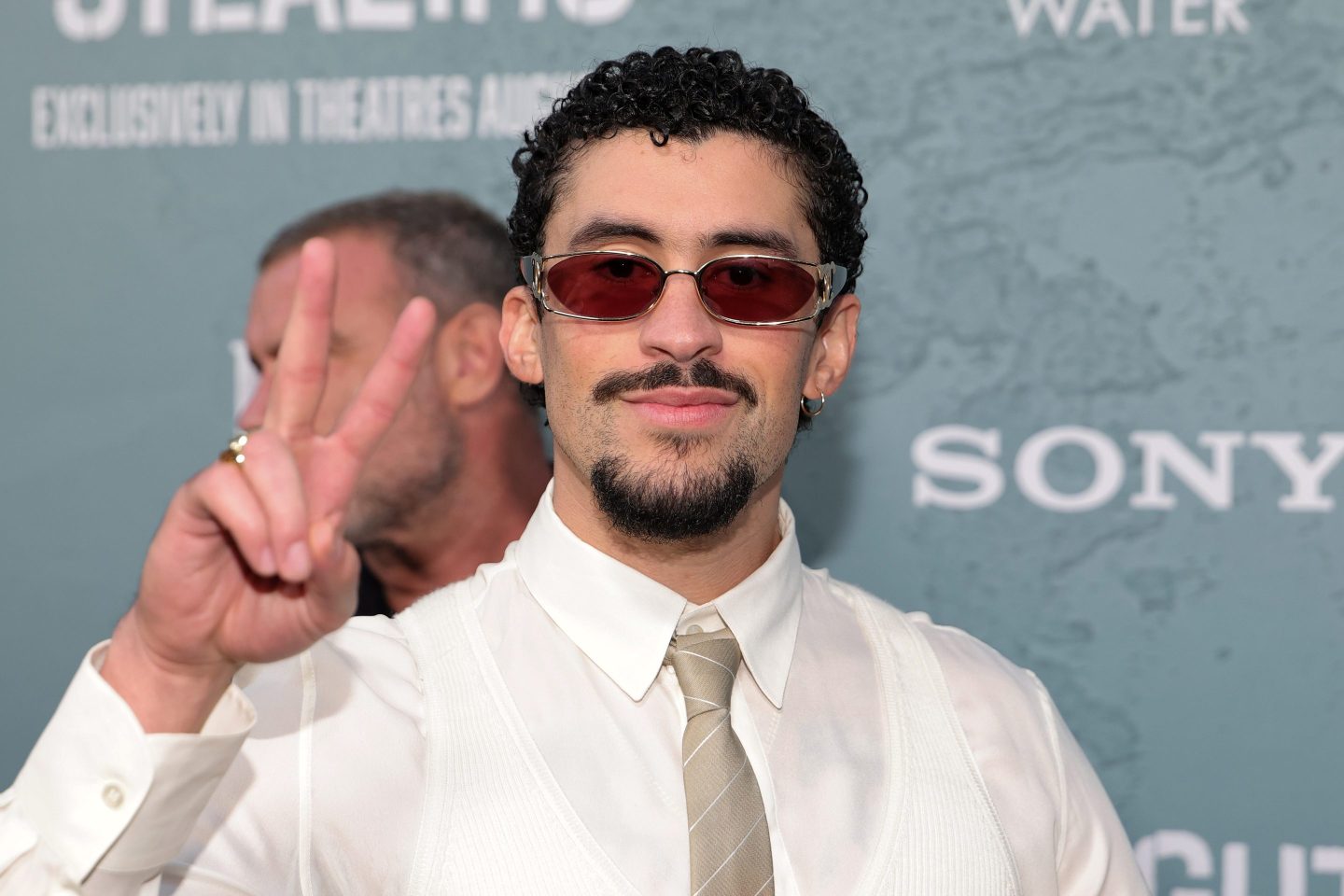
The NFL’s decision to feature Bad Bunny as the 2026 Super Bowl halftime headliner has generated both excitement and controversy. Known for his genre-blending reggaeton and Latin trap music, Bad Bunny has a massive global following and a reputation for pushing boundaries with his art and political statements. His selection reflects the NFL’s ongoing effort to diversify its halftime performers and appeal to younger, multicultural audiences. However, for some conservative audiences, including TPUSA’s base, Bad Bunny’s outspoken views on issues like gender identity and Puerto Rican independence clash with traditional American values. This contrast sets the stage for TPUSA’s alternative event, which promises to deliver a distinctly patriotic experience.
The “All-American Halftime Show” will be held at a yet-to-be-announced venue, with plans to livestream the event to reach a national audience. While specific performers have not been revealed, TPUSA has hinted at a lineup featuring country music stars, military tributes, and appearances by conservative cultural figures. The show will also include patriotic displays, such as a flag ceremony and a tribute to first responders, aiming to resonate with audiences who feel alienated by the NFL’s recent halftime choices. Erika Kirk has stated that the event will be “a celebration of faith, family, and freedom,” appealing to those who seek entertainment that aligns with their values.
This initiative reflects TPUSA’s broader strategy to engage in the culture war by offering alternatives to mainstream media and entertainment. Under Erika Kirk’s leadership, the organization has expanded its outreach beyond college campuses, focusing on events that capture public attention. The “All-American Halftime Show” is a direct challenge to the NFL’s cultural dominance on one of America’s biggest stages. By scheduling the event on the same day as the Super Bowl, TPUSA ensures that its message will be part of the national conversation, forcing audiences to choose between two competing visions of American identity.
Critics of TPUSA’s halftime show argue that it risks further polarizing an already divided nation. They point out that the Super Bowl has historically been a unifying event, bringing together Americans of all backgrounds to celebrate sports and entertainment. By contrast, TPUSA’s event could deepen cultural divides, framing the NFL’s halftime show as “un-American” while promoting a narrowly defined version of patriotism. Supporters, however, see it as a necessary pushback against what they view as the leftward drift of popular culture.
The announcement of Bad Bunny’s performance and TPUSA’s counter-event underscores a broader cultural tug-of-war in America. As Erika Kirk leads TPUSA into this new chapter, the “All-American Halftime Show” represents a bold statement of intent. Whether it will resonate with a wide audience or remain a niche offering for conservative viewers remains to be seen. What is clear, however, is that February 8, 2026, will be more than just a day for football—it will be a battleground for competing visions of what it means to be American.