That June morning in 2011 dawned clear and promising. They checked out of their roadside motel, the sky a soft wash of pink as Sarah framed it through her lens. Andrew unfolded a map at a dusty convenience store, picking up water, snacks, and batteries while chatting with the cashier about nearby mining relics. The man behind the counter shook his head: “Not worth the risk—people get turned around in there.” But the couple smiled, thanked him, and drove off toward a dirt track that faded into the wilderness. Security footage captured their last known moments alive, casual and unhurried, as if the day held nothing but possibility.
Their rental car was found later, parked neatly at the trail’s end, locked with belongings still inside—extra clothes, travel guides, nothing amiss. It looked like they’d planned a brief outing, maybe a couple of hours to poke around. Footprints led south toward the hills, but the wind-scoured sand erased them quickly. By afternoon, they likely reached one of the mine entrances, perhaps drawn by the cool shade or the intrigue of stepping into history. What happened next is pieced together from fragments: a lost signal on their phones, vague sightings of figures near a canyon ridge. They stepped into the shaft, and the desert sealed them in.
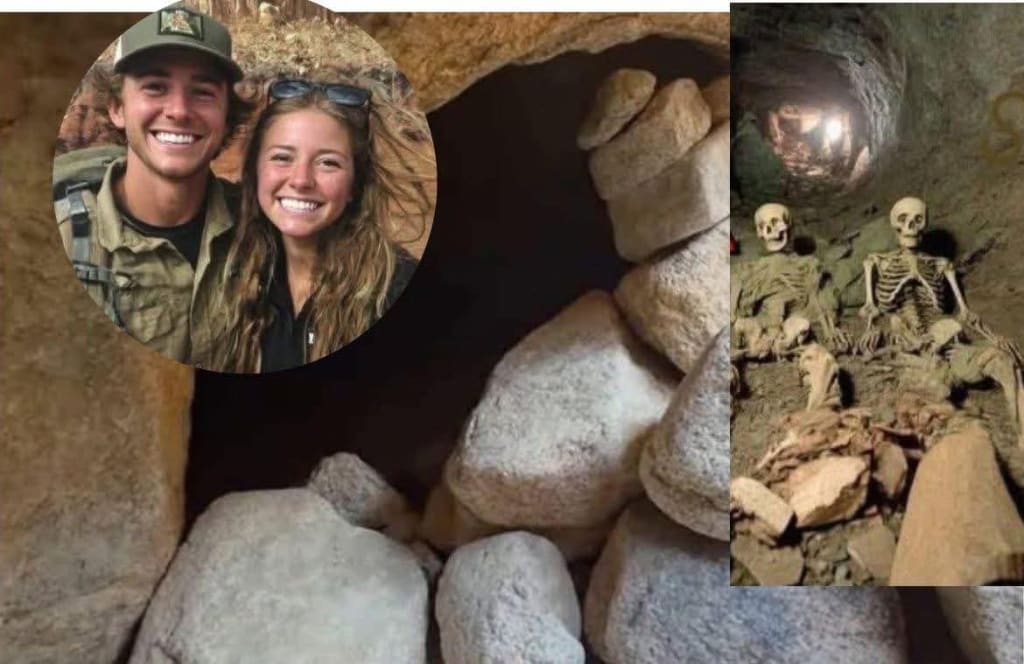
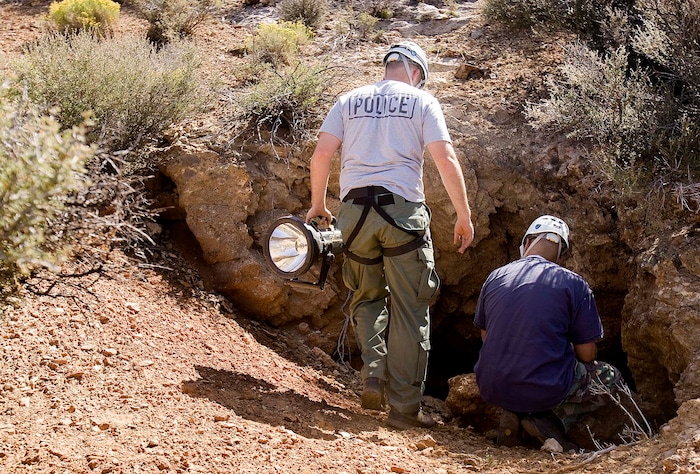
When they didn’t check in, worry set in. Andrew’s sister expected a call; Sarah’s friends knew her habit of sharing photos. By day three, families alerted authorities, and the search kicked off in earnest. Deputies combed the area, volunteers trudged through the heat, helicopters buzzed overhead with thermal scanners. Dogs sniffed for scents, but the dry air offered little. Teams ventured into mine shafts, shouting names into the void, flashlights piercing the gloom. “You could feel the weight of the earth,” one searcher later said, describing the claustrophobic chill. Press conferences brought updates, but hope dimmed as days became weeks. The sheriff admitted the challenge: “This land is huge, unforgiving. If they’re in a mine, it’s like finding ghosts.”
The families refused to fade into despair. Sarah’s mom distributed flyers, walking dusty roads with a heavy heart. Andrew’s brother pushed for more resources, clinging to the idea they might be alive, injured but waiting. Private investigators were hired, theories floated—from voluntary disappearance to foul play. Some whispered about desert drifters or accidents in hidden crevices. But no clues emerged. Seasons cycled: scorching summers, freezing winters, each year marking another vigil. Holidays felt hollow, phone rings brought fleeting hope crushed by silence. The case slipped from headlines, becoming local lore, a cautionary whisper about the mines.
Eight years is an eternity in limbo. By 2019, many assumed the mystery would stay buried. Sarah’s room remained a shrine, curtains drawn daily. Andrew’s sister kept her number, just in case. Then, in October, a group of amateur explorers changed everything. Drawn to the area’s mining history, they geared up with lights and ropes, entering a seldom-visited shaft. The air cooled as they descended, echoes amplifying every step. About 200 feet in, their beams caught something unnatural: two figures against the wall, seated as if pausing for breath.
At first, confusion—squatters? But closer inspection revealed skeletons, clothing ragged, bones undisturbed. Nearby: empty water bottles, a rusted flashlight, a camera strap. Shaken, they retreated and called authorities. The site was secured, experts arrived. DNA and dental records confirmed: Sarah and Andrew. The positioning was haunting—seated together, no signs of panic or violence. Forensics pointed to dehydration, exhaustion in the disorienting depths. They’d likely sought shelter, wandered too far, rations depleted, and chose to face the end side by side.
The news hit like a sandstorm, reopening scars for families. Relief mingled with sorrow—closure, but at what cost? No villain to blame, just the desert’s indifference. Questions swirled: Why so deep? Did they call out in vain? Theories persisted—psychological disorientation from heat, or an ill-fated quest for photos. Darker rumors of someone luring them in faded without evidence. The simplest truth: a misstep in the wild, where adventure meets peril.
This story lingers because it humanizes the unknown. Sarah and Andrew weren’t heroes or victims of grand schemes; they were ordinary folks chasing wonder, only to meet tragedy. Their seated remains evoke loyalty amid despair, a final act of togetherness in the dark. The Utah desert, with its hidden shafts and vast silences, claims many secrets. Theirs reminds us to tread carefully, heed warnings, and cherish the fragile line between exploration and loss. For families, healing began with burials and memorials, honoring lives cut short. For the rest of us, it’s a sobering echo: the wild gives beauty, but demands respect.
Investigators closed the file, but the image endures—a couple, side by side, waiting in eternal quiet. What words passed in those hours? Comfort? Regret? The mine holds that close. In a world of instant connections, their isolation feels profound, a call to connect deeper with those we love. As one relative said, “They went seeking stories; now they are one.” Let their tale inspire caution, not fear—embrace the outdoors, but with maps, plans, and buddies. The desert’s mysteries persist, but so does our resilience in facing them.