BREAKING NEWS: Another Orca Dies at SeaWorld — Renewed Scrutiny Over Captive Whale Welfare
The walls of SeaWorld have once again become the backdrop of heartbreak. Just months after the widely publicized death of Radcliffe, another orca has died in captivity, reigniting fierce debate over marine parks, animal welfare, and the future of keeping whales in tanks for entertainment.
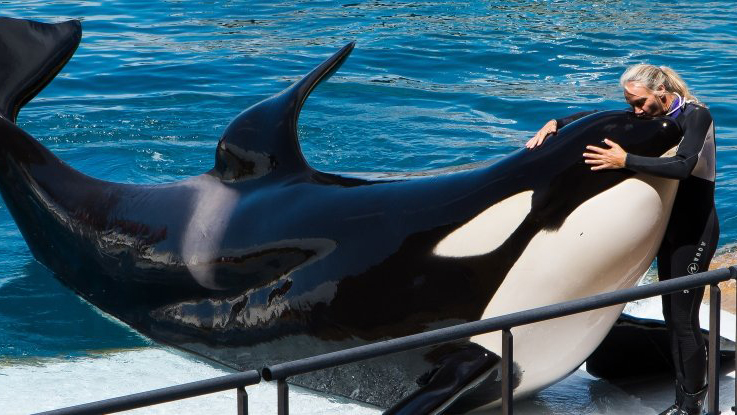
According to a statement released late last night, SeaWorld officials confirmed that the female orca, whose name has not yet been released to the public, passed away unexpectedly at one of the company’s parks. While the park reported that veterinarians had been monitoring her health for several weeks, the exact cause of death remains under investigation. This marks yet another tragedy that adds to the long list of controversies tied to SeaWorld’s history with orcas.
For animal rights activists, the news is devastating but not surprising. Advocacy groups immediately pointed to systemic issues surrounding captivity, claiming that no matter how advanced the facilities may be, a concrete tank cannot replicate the vast, complex ecosystems orcas experience in the wild. “Every time an orca dies prematurely in captivity, it underscores the cruelty of forcing these majestic creatures into artificial enclosures,” said Maria Gonzalez, spokesperson for the organization Marine Freedom Now. “They are intelligent, emotional, and social animals who suffer immensely when denied the open ocean.”
SeaWorld has repeatedly defended its practices, highlighting decades of research, conservation work, and medical care provided by its veterinarians. In its official statement, the company emphasized that their teams had done everything possible to treat the orca’s illness and that her death should be viewed as part of the natural cycle of life. “Our staff cared deeply for her,” the statement read. “She received round-the-clock attention and the highest quality of veterinary care. We mourn her passing alongside our guests and team members.”

Still, critics argue that the mortality rate of orcas in captivity is far higher than in the wild. Studies have shown that wild orcas often live 50 to 80 years, with some females surpassing a century in age. In contrast, many captive whales struggle to reach even half of that lifespan. Radcliffe, who died earlier this year, was just 14 years old—far younger than the expected lifespan of a healthy wild male. The latest death reinforces concerns that the physical and psychological stress of captivity accelerates decline.
Public reaction has been swift. Social media platforms were flooded with outrage as news of the tragedy spread. Hashtags like #EmptyTheTanks and #JusticeForOrcas quickly trended, with many calling for an immediate end to SeaWorld’s orca programs. Some former trainers also joined the conversation, echoing claims made in the groundbreaking 2013 documentary Blackfish, which exposed the darker side of the marine park industry. “We’ve seen this story repeat itself too many times,” said John Hargrove, a former SeaWorld trainer turned whistleblower. “These deaths are not accidents—they are the predictable outcome of keeping wild animals in captivity for profit.”
The timing is particularly damaging for SeaWorld, which has spent the past several years attempting to rehabilitate its image. After Blackfish, attendance plummeted, and the company announced in 2016 that it would end its orca breeding program. However, the orcas already in captivity remained in the parks, continuing to perform in shows under rebranded “educational” programs. Critics have long argued that this shift was more about optics than genuine change.
Marine biologists stress that while SeaWorld’s research has contributed to scientific understanding of orcas, the cost of that knowledge may be too high. “There are better ways to study marine mammals without confining them to tanks,” explained Dr. Andrea Lee, a professor of marine biology. “Technological advances now allow us to study orcas in the wild with incredible precision. We don’t need to keep them in captivity anymore to learn about them.”
Meanwhile, families and animal lovers who once flocked to SeaWorld for entertainment are increasingly questioning the ethics of their visits. Some have vowed never to return. “My kids loved the shows, but after hearing about yet another death, I can’t justify buying a ticket anymore,” said one father outside the Orlando park. “We should be teaching the next generation to respect wildlife in its natural habitat, not applaud suffering animals in tanks.”
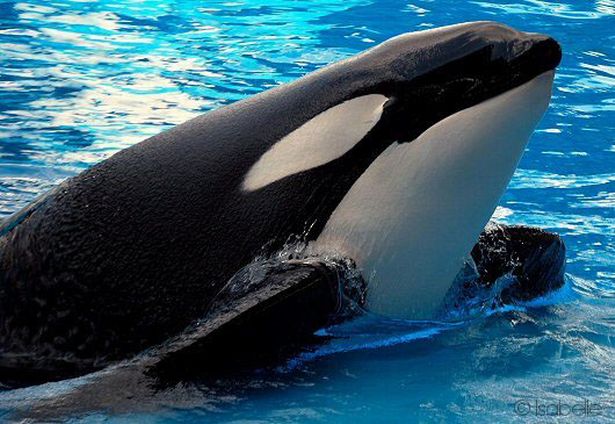
As investigations continue, the broader debate over marine parks intensifies. SeaWorld faces growing pressure not only from activists but also from the public, who demand accountability and meaningful change. While the company has promised transparency, the death of yet another orca underscores a painful reality: behind the music, the smiles, and the choreographed jumps, there remains a story of confinement, controversy, and loss.
For now, the tanks at SeaWorld are quieter, the performances subdued, and the spotlight once again shines not on entertainment, but on tragedy. The question left lingering is whether society will allow history to keep repeating itself—or whether this latest death will finally mark the beginning of the end for captive orcas.