Trump’s 35% Tariff Ultimatum to Canada Rejected: A Deep Dive into the US-Canada Trade Crisis
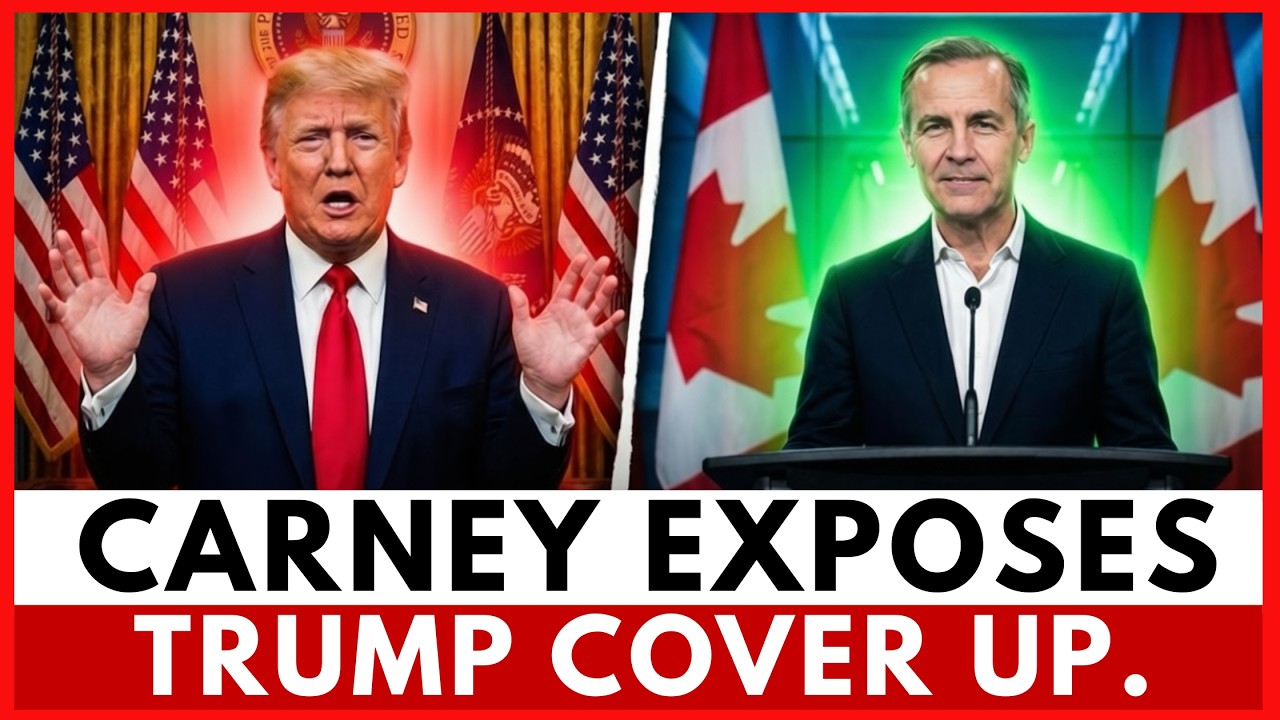
As of March 2026, the trade relationship between the United States and Canada—one of the world’s most integrated and vital economic partnerships—faces significant strain following a high-profile confrontation over tariffs. President Donald Trump’s announcement of a 35% tariff ultimatum on Canadian imports marked a sharp escalation, prompting a swift and multifaceted response from Canadian Prime Minister Mark Carney.
Background of the Tariff Ultimatum
The roots of this dispute trace back to ongoing concerns over trade balances, border security, and supply chain dependencies. In early 2026, amid broader U.S. tariff policies implemented under various legal authorities, Trump specifically targeted Canada with a proposed 35% levy on goods. This move was framed as a response to perceived imbalances and other policy issues, building on previous adjustments that had seen rates fluctuate from 25% in some categories.
The ultimatum, delivered without extensive prior consultation through traditional diplomatic channels, set a short compliance window. It aimed to address what the administration viewed as critical economic and security priorities. However, the proposal immediately raised questions about compliance with existing frameworks like the United States-Mexico-Canada Agreement (USMCA), which governs much of the bilateral trade and includes specific procedures for modifications.
Canada’s Immediate and Coordinated Response
Prime Minister Mark Carney, a former central banker with deep expertise in international economics, did not delay. Within hours of the announcement, Canada announced reciprocal 35% tariffs on select U.S. consumer goods, focusing on items with significant political and economic impact in key U.S. states. This measure was designed to mirror the proposed U.S. action while highlighting interdependence.
In addition, Carney’s government initiated a full review of export permits for critical minerals such as cobalt, lithium, and rare earth elements—materials indispensable for American defense manufacturing, electric vehicles, and technology sectors. This step introduced uncertainty into U.S. supply chains reliant on Canadian resources.
Most notably, Canada formally invoked Chapter 31 of the USMCA to challenge the tariff’s legal basis before an international dispute panel. This procedural move shifts the matter to a neutral forum where treaty obligations can be examined independently of domestic politics.
Economic and Market Implications
The exchange has already influenced markets. U.S. automakers and energy firms with cross-border dependencies experienced share price volatility in the immediate aftermath. Broader indices reflected investor concerns over potential disruptions to the roughly $700 billion annual bilateral trade flow.
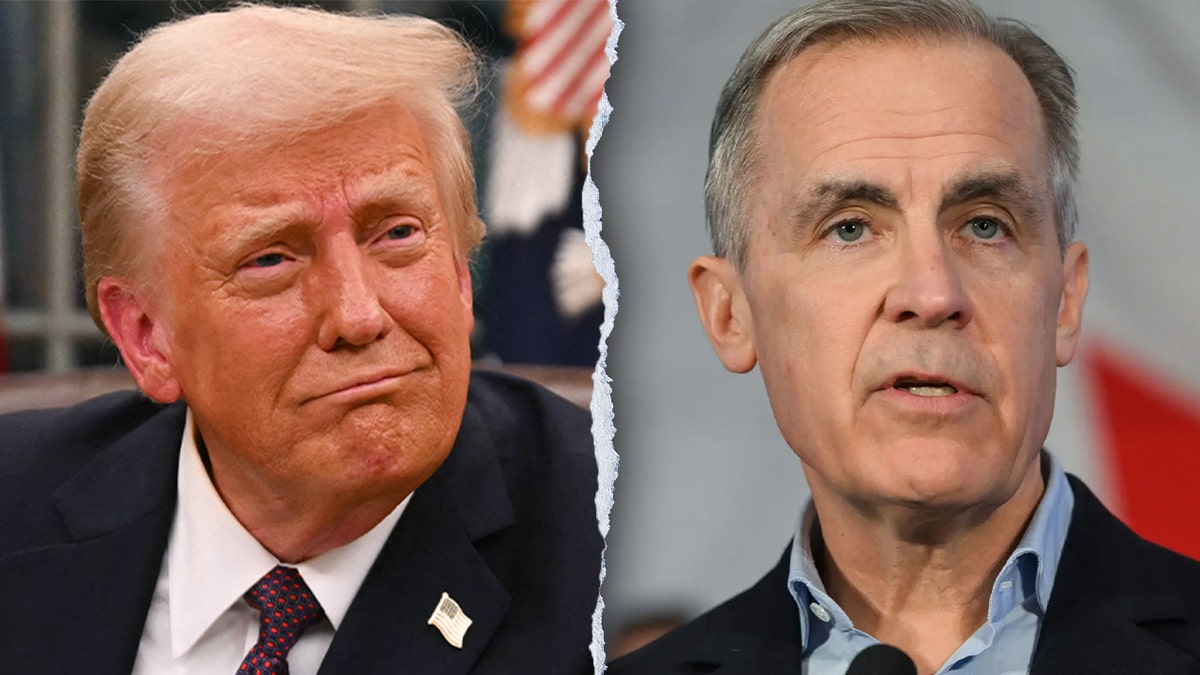
Analysts point out that while some goods qualify for USMCA exemptions, widespread tariffs could raise costs for consumers on both sides, affect employment in integrated industries like automotive and resource extraction, and chill cross-border investment. Canada’s emphasis on diversifying exports—through strengthened ties with Europe, Asia, and others—signals a long-term strategy to reduce reliance on the U.S. market.
Legal and Treaty Considerations
Trade experts note that the USMCA, negotiated and signed during Trump’s first term, includes detailed rules for tariff adjustments and dispute settlement. Bypassing these could invite scrutiny from the agreement’s mechanisms. A panel ruling against unilateral actions might set precedents affecting future administrations’ flexibility in trade policy.
Historical parallels, such as past U.S. steel tariff disputes with allies, suggest that retaliatory measures and WTO/USMCA challenges often lead to negotiated resolutions after initial economic pressure. However, the current context involves unique elements, including critical minerals tied to national security.
Broader Geopolitical Context
This episode occurs against a backdrop of evolving global trade dynamics. Canada’s outreach to other partners and Carney’s public statements on sovereignty and middle-power cooperation reflect efforts to navigate great-power competition. The U.S. administration maintains that such policies protect domestic interests, while observers monitor for impacts on alliance structures like NATO.
As the USMCA faces its scheduled review in 2026, both sides may seek dialogue to stabilize relations. Congressional voices in trade-exposed states have expressed concerns, indicating domestic pressure for resolution.
In summary, the rejection of the 35% tariff ultimatum through decisive countermeasures illustrates the complexities of modern trade enforcement between close allies. The outcome of ongoing reviews and potential negotiations will likely shape North American economic integration for years to come.