The global trade landscape is heating up after reports that former U.S. President Donald Trump has floated the idea of imposing 100% tariffs on certain imports amid deepening Canada–China trade discussions. The statement, described by analysts as a high-stakes warning shot, has already sparked debate across political and economic circles. As North American and Asian markets watch closely, investors and policymakers are bracing for potential ripple effects that could reshape international supply chains.
\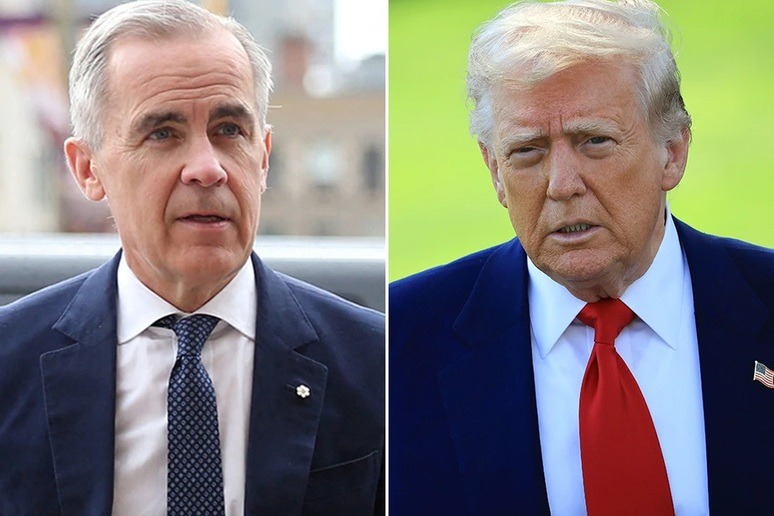
At the center of the tension are ongoing efforts by Canada and China to expand bilateral trade cooperation in sectors such as energy, agriculture, and advanced manufacturing. Supporters of the talks argue that stronger Canada–China trade ties could stabilize supply chains and open new export opportunities. However, critics — particularly within U.S. protectionist circles — warn that deeper cooperation could weaken American economic leverage in key global industries.
Trump’s proposed 100% tariff strategy, if implemented, would represent one of the most aggressive trade measures in modern U.S. history. Economists note that tariffs at this level could dramatically increase the cost of imported goods, potentially protecting domestic producers while also raising prices for consumers. The policy discussion also signals a broader shift toward economic nationalism, a theme that has gained traction in recent years amid geopolitical competition.
Financial markets reacted cautiously to the news, with currency fluctuations and commodity price volatility reflecting uncertainty about future trade policy. Manufacturing sectors tied to cross-border supply chains — especially automotive, technology hardware, and critical minerals — could face the most immediate impact. Trade experts warn that escalating tariff threats could trigger retaliatory measures, raising the risk of a wider global trade dispute.
From a geopolitical standpoint, the situation highlights the growing strategic importance of North America–Asia trade relationships. Canada’s position as a resource-rich, politically stable partner makes it an attractive trade ally for China, particularly as Beijing seeks to diversify suppliers. Meanwhile, U.S. policymakers remain focused on maintaining influence over global trade rules and preventing economic blocs that could challenge American market dominance.
Looking ahead, the outcome will likely depend on political developments, election cycles, and the direction of global economic growth. Businesses are already exploring contingency plans, including supply chain diversification and regional manufacturing shifts. As Canada–China negotiations continue and U.S. trade rhetoric intensifies, the world will be watching closely to see whether tariff threats evolve into concrete policy — or remain a negotiating tactic in the ongoing battle for global economic influence.