Judge Orders Trump Administration to Provide Due Process for Deported Venezuelans in Latest Immigration Clash
In a sharply worded ruling that reignited tensions between the judiciary and the Trump administration, a federal judge in Washington on Monday ordered the government to either facilitate the return of more than 100 Venezuelan men deported earlier this year or provide them an alternative means to challenge their expulsions, declaring that they had been denied fundamental due process rights.
The decision by Judge James E. Boasberg of the United States District Court for the District of Columbia represents the latest chapter in a protracted legal battle over President Trump’s invocation of the Alien Enemies Act, a rarely used 18th-century wartime statute, to summarily deport individuals accused of ties to the Venezuelan gang Tren de Aragua. The men were removed to El Salvador’s notorious CECOT mega-prison in March, despite court interventions, and later transferred to Venezuela as part of a prisoner exchange.
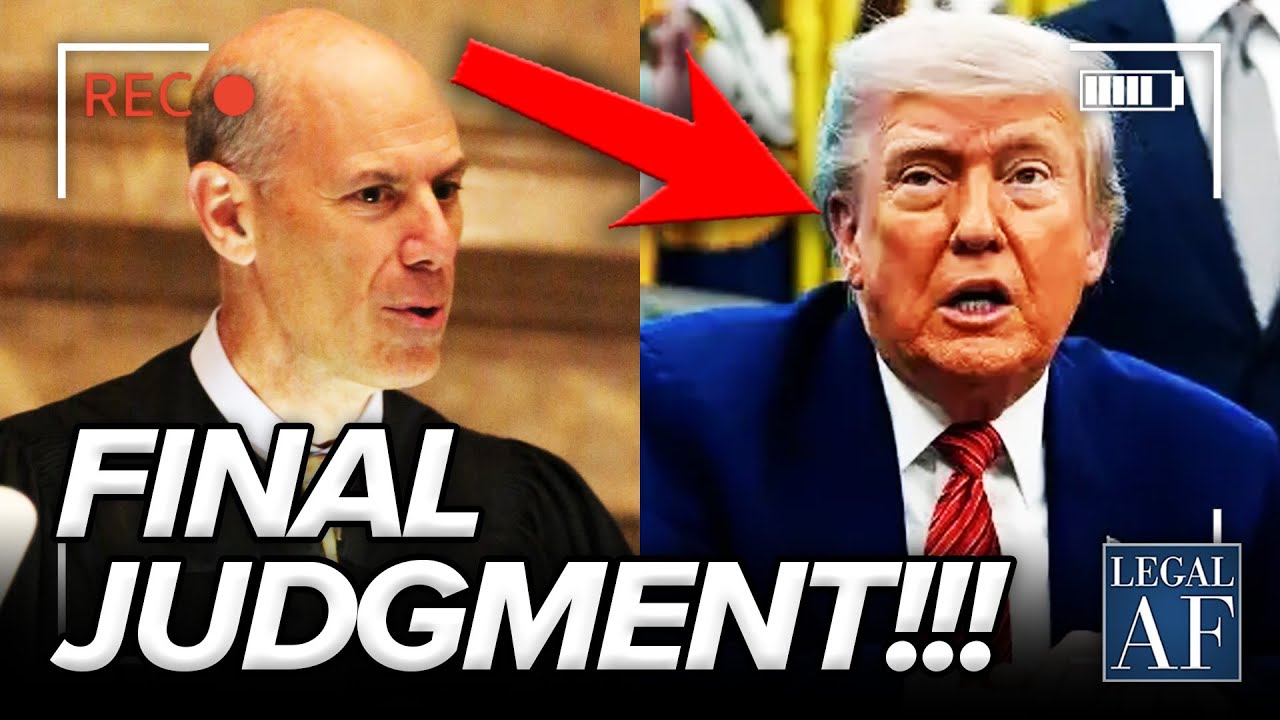
In his 43-page opinion, Judge Boasberg, an Obama appointee who has repeatedly clashed with the administration on immigration matters, wrote that the deportees “received none” of the process required even under the expansive powers of the act. “They were not told of their designation or informed that they could challenge it before being loaded onto planes and shipped out of the United States,” he noted, emphasizing that due process is a bedrock principle that cannot be circumvented by expedited removals.
The judge gave the Justice Department until Jan. 5 to outline how it would comply, either by arranging the men’s return for hearings or devising another mechanism to allow them to contest their gang designations and removals from abroad. He rejected the government’s arguments that the case had become moot after the men’s transfer from El Salvador, pointing to ongoing “collateral consequences,” including permanent bars on re-entry and restrictions tied to their alleged enemy alien status.
The ruling drew immediate fire from Trump allies, who portrayed it as judicial overreach interfering with executive authority on national security and immigration enforcement. On social media and in statements, conservative commentators and Republican lawmakers renewed calls for Judge Boasberg’s impeachment, accusing him of activist judging and enabling dangerous criminals. Some highlighted unverified claims about the judge’s personal connections, amplifying a narrative of bias that has shadowed his handling of Trump-related cases.
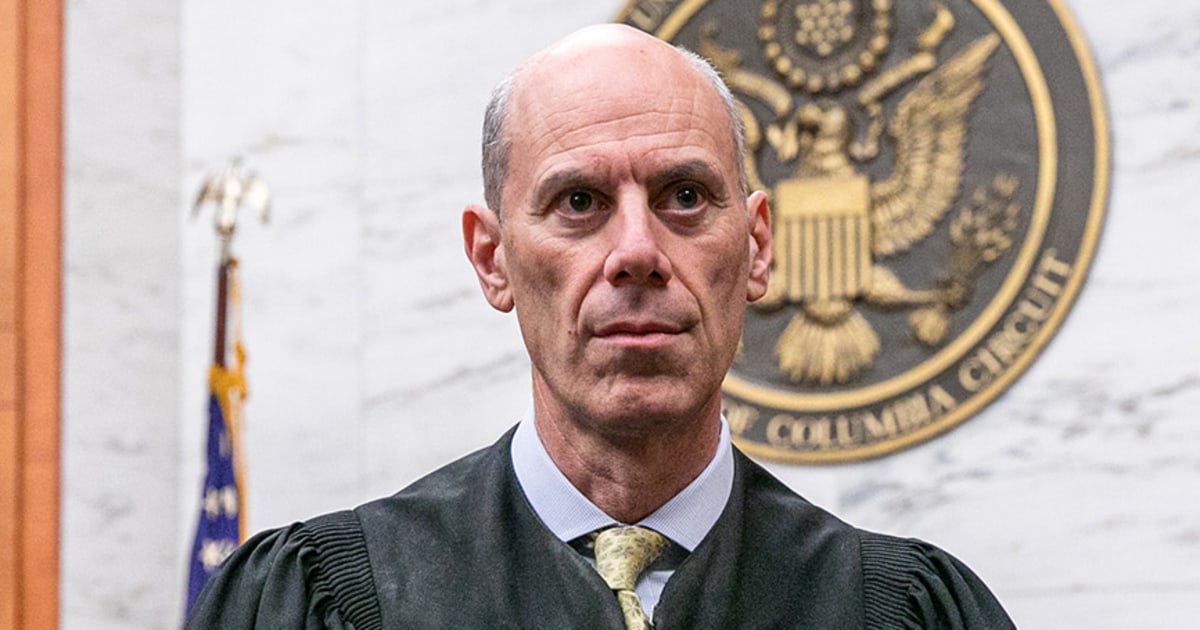
President Trump, known for his blunt criticisms of judges who rule against his policies, reportedly expressed fury in private conversations with aides, according to people familiar with the discussions. While Mr. Trump has previously called for the impeachment of judges in similar disputes and labeled critics within the judiciary as “radical left lunatics,” his public response to this latest rebuke was measured, focusing instead on broader attacks on “rogue judges” obstructing his agenda. Insiders described the president as stung by the decision’s timing, coming amid his administration’s aggressive push to expand deportations under the Alien Enemies Act, which he has framed as essential to combating transnational gangs.
The case traces back to March, when the administration invoked the act to deport the men with minimal notice, leading to a frantic courtroom showdown. Judge Boasberg issued orders attempting to halt the flights, but planes departed nonetheless, prompting earlier contempt proceedings that were paused by appellate courts. The Supreme Court had vacated some of those initial restraints but affirmed the need for some opportunity to challenge designations.
Legal experts said Monday’s ruling underscores the persistent friction between the branches over immigration powers. “This is not just about these individuals; it’s about the limits of executive authority in a system of checks and balances,” said one former Justice Department official, speaking on condition of anonymity.
Advocates for the deportees hailed the decision as a vindication. “After months of detention in harsh conditions and separation from families, these men finally have a path to contest baseless accusations,” said an attorney with the American Civil Liberties Union, which has supported related litigation.
The Justice Department signaled it would review options, including appeal. A spokesperson declined to comment on potential next steps but reiterated the administration’s view that the original deportations were lawful and necessary for public safety.
As the deadline approaches, the case is poised to test once more the administration’s willingness to comply with adverse judicial rulings in an area central to Mr. Trump’s political identity. With immigration enforcement a cornerstone of his second term, the outcome could influence broader challenges to his policies, even as higher courts have shown deference in some instances.
The saga has already traversed multiple levels of the judiciary, highlighting the extraordinary legal scrutiny facing the president’s use of wartime powers in peacetime. For now, Judge Boasberg’s order stands as a firm reminder that, in his view, “our law requires no less” than basic fairness, even for those accused of serious crimes.