Allegations of Diplomatic Intervention to Free the Tate Brothers Cast New Shadow Over the Trump Family
A new controversy is rippling through Washington following reports that U.S. political figures with ties to former President Donald Trump may have played a role in facilitating the departure of Andrew and Tristan Tate from Romania, where the two men had been detained over serious criminal allegations. The episode has raised difficult questions about the use of political influence, the boundaries of informal diplomacy, and the growing entanglement between online extremist figures and mainstream American politics.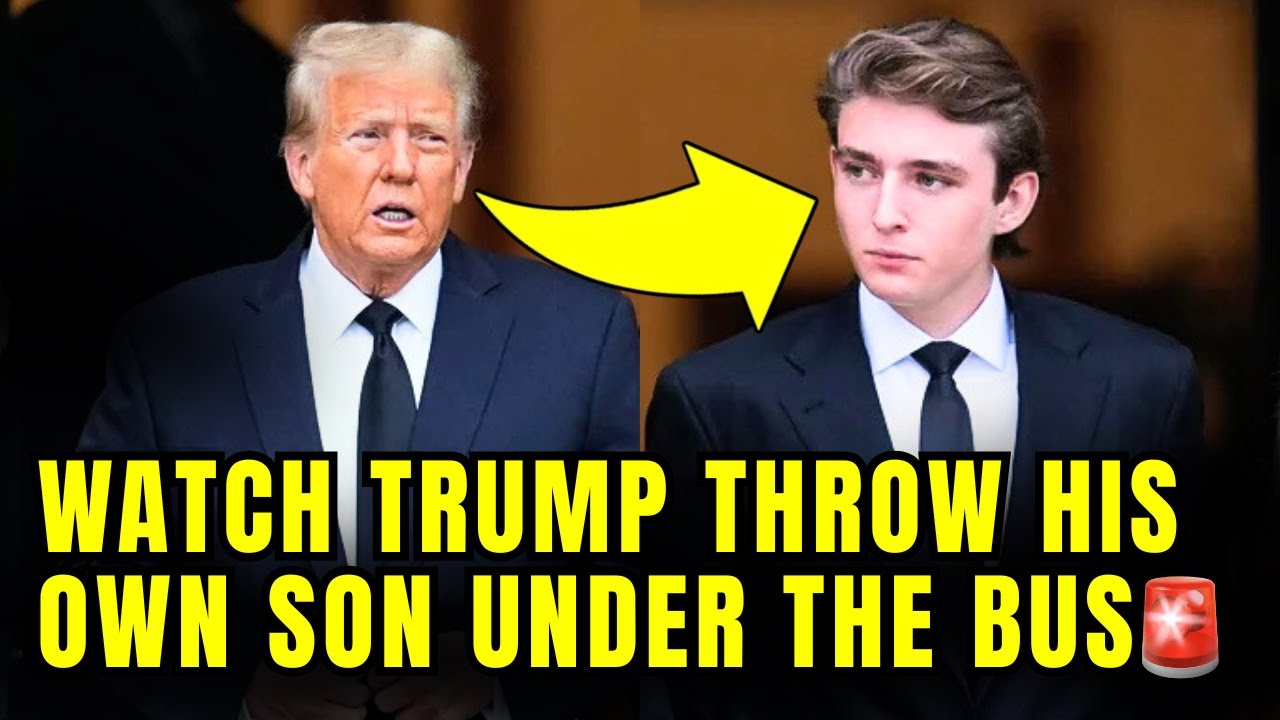
The Tate brothers, internet personalities known for promoting misogynistic and authoritarian views, were held in Romania on charges including human trafficking, sexual exploitation, and organized criminal activity. Their sudden ability to leave the country—despite being subject to travel restrictions—has prompted scrutiny from journalists and lawmakers alike. According to reporting by MSNBC and other outlets, the move was not accidental but the result of sustained behind-the-scenes lobbying involving individuals connected to the Trump political network.
Investigators say Andrew Tate spent years cultivating relationships with prominent figures on the American right, including media personalities such as Tucker Carlson and Candace Owens. Over time, those efforts reportedly expanded to members of the Trump family itself, first Donald Trump Jr. and later Barron Trump, the former president’s youngest son. Sources familiar with the matter claim that these connections helped elevate the Tate brothers’ case from fringe advocacy into higher political channels.
Central to the controversy is Richard Grenell, a longtime Trump ally who previously served as acting Director of National Intelligence. Grenell has acknowledged discussing the Tate case with Romanian officials, though he disputes characterizations that his involvement constituted improper pressure. Nonetheless, reporting indicates that these discussions coincided with a broader effort by Trump-linked figures to portray the Romanian prosecution as politically motivated, a narrative that gained traction in certain conservative circles.
Adding to the complexity, several lawyers associated with Trump’s orbit were also drawn into the episode. Their involvement, critics argue, suggests the case was treated not merely as a consular issue but as a political cause championed by influential actors with access to foreign governments. Romanian officials have denied yielding to external pressure, yet the timing of the Tate brothers’ release has kept those denials under intense scrutiny.
The issue has become particularly sensitive given the Trump movement’s hardline rhetoric on immigration and crime. Republican leaders have repeatedly emphasized the importance of deporting criminals and strengthening border enforcement. Against that backdrop, allegations that political operatives worked to bring individuals accused of violent crimes back to the United States have fueled accusations of hypocrisy from Democratic lawmakers.

The controversy took another turn when Donald Trump appeared to distance himself—subtly but noticeably—from his son Barron. Speaking at a high-profile congressional event alongside his wife Melania Trump, the former president repeatedly referred to Barron as “her son” and emphasized Melania’s role as a parent, remarks that many observers interpreted as an effort to deflect responsibility amid growing media attention.
Such distancing struck analysts as unusual. Trump is widely known for closely associating himself with his family members’ actions and achievements, often framing them as extensions of his own brand. The shift in tone has led some political strategists to speculate that Trump is attempting to shield himself from potential fallout should investigations into the Tate matter deepen.
Barron Trump has historically remained outside the political spotlight, in contrast to his older siblings, who have taken active roles in campaigns and media appearances. For that reason, many commentators have been reluctant to scrutinize him. However, allegations that he personally lobbied foreign officials on behalf of two men accused of severe abuses have pushed him into an unprecedented public controversy.
The timing of the revelations has further intensified the reaction. Just as reports about the Tate brothers were gaining traction, congressional Democrats released additional materials linked to Jeffrey Epstein, including tens of thousands of photographs showing Epstein socializing with prominent figures from politics and media. Several images reportedly include Donald Trump and other right-wing figures, renewing focus on long-standing concerns about elite protection networks and accountability.
While no direct connection has been established between the Epstein disclosures and the Tate case, the overlap has reinforced broader narratives about power, impunity, and the treatment of sexual abuse allegations involving influential men. Critics argue that these cases collectively illustrate a pattern in which political connections can blur legal and ethical boundaries.
At present, neither Donald Trump nor his representatives have offered a detailed explanation addressing Barron Trump’s alleged involvement. Calls for clarification have come from both journalists and lawmakers, though no formal congressional investigation has yet been announced. Still, the episode underscores the growing unease surrounding informal political influence and its impact on international justice.
As the story continues to unfold, it raises fundamental questions about accountability, the responsibilities of political families, and the extent to which personal networks can shape outcomes far beyond U.S. borders. For Washington, already mired in deep polarization, the allegations represent yet another test of public trust in institutions meant to uphold the rule of law—at home and abroad.