Pentagon Escalates Inquiry Into Senator Mark Kelly Over Video Urging Troops to Refuse Illegal Orders
In a rare and escalating confrontation between the executive branch and Congress, the Defense Department has intensified its investigation into Senator Mark Kelly, Democrat of Arizona, over his participation in a video reminding military personnel of their legal obligation to disobey unlawful commands. The move, ordered by Defense Secretary Pete Hegseth, has raised alarms among legal experts and Democrats about potential overreach and the politicization of military justice.
Mr. Kelly, a retired Navy captain, former astronaut and combat pilot who served 25 years in the military, appeared in the 90-second video last month alongside five other Democratic lawmakers with military or intelligence backgrounds, including Senator Elissa Slotkin of Michigan and Representatives Jason Crow of Colorado, Chrissy Houlahan of Pennsylvania, Chris Deluzio of Pennsylvania and Maggie Goodlander of New Hampshire. The group emphasized that service members swear an oath to the Constitution, not to any individual, and are required under the Uniform Code of Military Justice to refuse illegal orders.
 The video did not specify any particular orders but was released amid questions about the Trump administration’s military actions, including airstrikes on vessels suspected of drug smuggling in international waters and the deployment of National Guard troops domestically. President Trump swiftly denounced the lawmakers on social media, labeling their message “seditious behavior” in posts that suggested severe punishment, including references to the death penalty — remarks the White House later clarified were not literal threats.
Mr. Hegseth, a former Fox News host and Army National Guard veteran appointed as defense secretary, has been vocal in his criticism, calling the group the “Seditious Six” and directing the Navy to review Mr. Kelly’s conduct. The Pentagon initially announced a preliminary review in November, citing “serious allegations of misconduct.” This month, it escalated to a formal Command Investigation, a process that allows for evidence gathering and potential recommendations for discipline, including reduction in retired rank or pension adjustments.
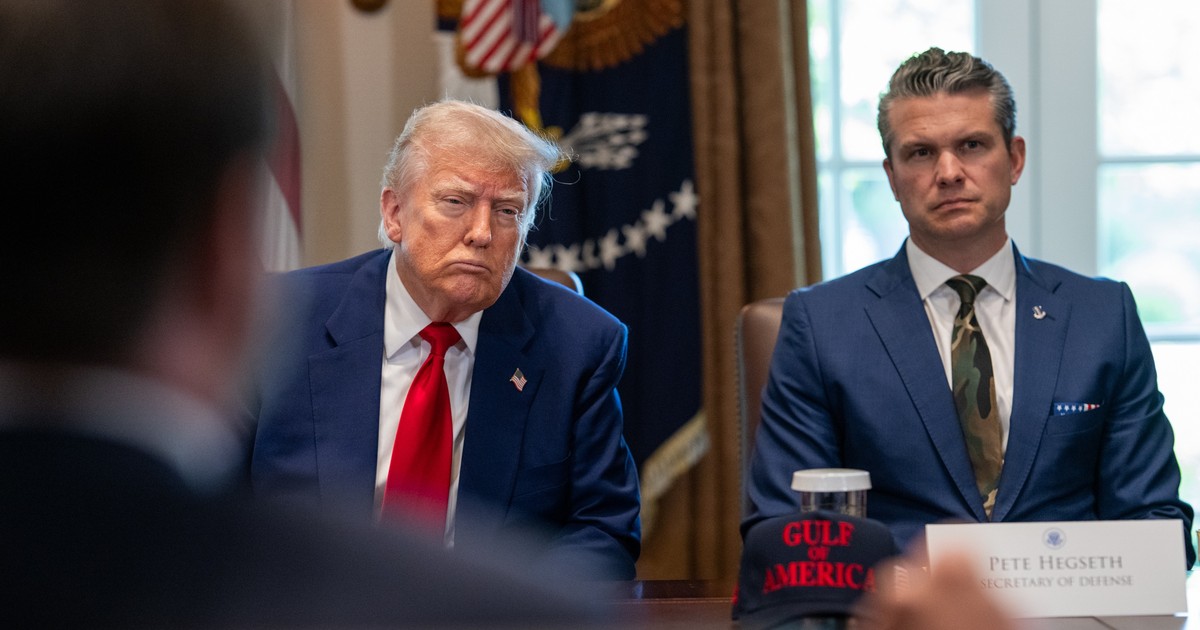 Mr. Kelly has remained defiant, describing the probe as an attempt at intimidation. “If Trump and Hegseth think this will stop me from doing what I’ve done every day of my adult life — fighting for this country — then they’ve got the wrong guy,” he said in a recent statement. In interviews, he has called Mr. Hegseth “the least qualified secretary of defense in the history of our country” and dismissed the administration’s actions as those of “not serious people.”
Legal scholars have expressed skepticism about the investigation’s viability. Retired military lawyers note that reminding troops of established law — a principle affirmed in cases like the Nuremberg trials and codified in U.S. military training — is unlikely to constitute misconduct. Any attempt to recall Mr. Kelly to active duty for court-martial, they argue, would face significant constitutional hurdles, given his status as a sitting senator and the protection of free speech.
 The episode has highlighted tensions over civil-military relations in the second Trump administration. Veterans’ groups and some Republicans have voiced unease, with a few lawmakers urging restraint. Meanwhile, Mr. Kelly and his colleagues report increased threats following the president’s posts, prompting heightened security measures.
Critics, including Democrats on the Senate Armed Services Committee, have accused the administration of abusing power to silence dissent. “This should send a shiver down the spine of every patriotic American,” Mr. Kelly has said. Supporters of the president argue the video sowed confusion in the chain of command at a time of heightened national security challenges.
 As the investigation proceeds, with the Navy having submitted a report to Mr. Hegseth’s office earlier this month, questions linger about its outcome and broader implications for congressional oversight of the military. Mr. Kelly, for his part, vows to continue holding the administration accountable, framing the dispute as a defense of constitutional principles over personal loyalty.
The standoff underscores a broader debate about the role of retired officers in public life and the boundaries of executive authority in an era of polarized politics. For now, the probe remains ongoing, with Pentagon officials declining further comment to preserve its integrity.
(Word count: 682)