A Sudden Legal Escalation That Reshaped the Narrative
In a development that has rapidly drawn national attention, Melania Trump has become the central figure in a surprise legal battle that blends celebrity, politics, and constitutional law. The case emerged after veteran journalist Michael Wolff, known for his reporting on power and influence at the highest levels of American politics, filed a preemptive lawsuit in New York State court.
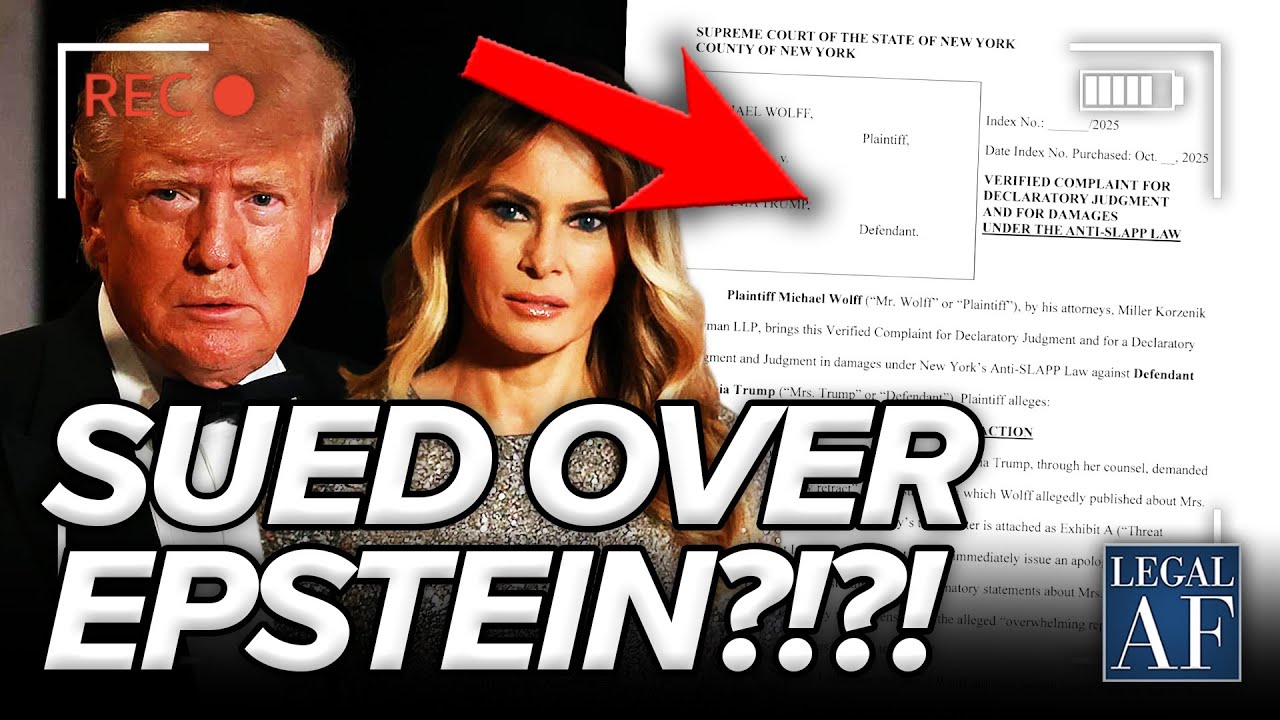
Rather than waiting to be sued, Wolff moved first, seeking a declaratory judgment that statements attributed to his reporting on the late Jeffrey Epstein are protected speech and cannot form the basis of a defamation claim. The legal maneuver has reframed what might otherwise have been a private dispute into a public confrontation over press freedom.
The Core of the Dispute: Speech, Power, and Alleged Intimidation
At the heart of the lawsuit is New York’s anti-SLAPP statute, a law designed to prevent “Strategic Lawsuits Against Public Participation.” Wolff’s complaint argues that legal threats issued on behalf of Mrs. Trump were intended to chill reporting and discourage further inquiry into matters of public concern.
Anti-SLAPP laws are rarely invoked in cases involving figures as globally recognizable as a former First Lady. Legal analysts note that this alone elevates the case beyond a typical media dispute, placing it squarely within a broader debate about how public figures use legal tools to manage reputational risk.
A Journalist’s Perspective and His Reporting History
Wolff has long positioned himself as a chronicler of modern political power, previously publishing best-selling works that examined the inner workings of the Trump orbit. He has stated publicly that his comments about Epstein-related matters were grounded in interviews, background reporting, and contextual analysis rather than speculation.
Supporters argue that the lawsuit underscores a journalist’s right to investigate controversial relationships without fear of financial retaliation. Critics counter that high-profile reporting demands heightened care, especially when reputations and unresolved allegations intersect.
Melania Trump’s Role and Public Reaction
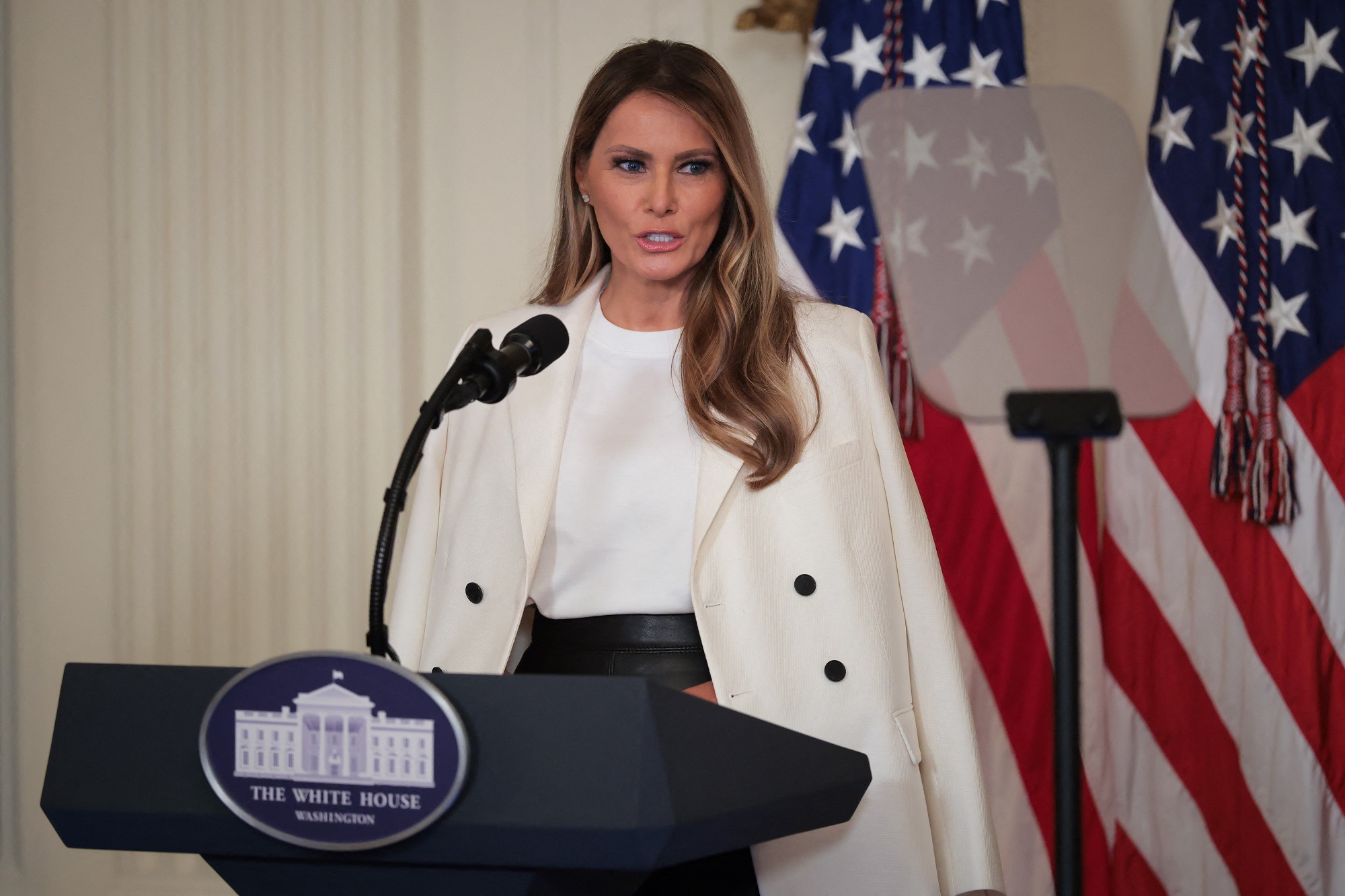
For Melania Trump, the case has introduced an unusually direct spotlight on her legal posture rather than her public image. Historically reserved and selective in public engagements, she has rarely been drawn into overt courtroom battles connected to political controversy.
Reaction online has been swift and polarized. Commentators across media platforms have debated whether the lawsuit represents a justified defense against perceived misinformation or an aggressive tactic that risks amplifying scrutiny. The story quickly trended across social media, fueled by clips from legal commentary shows and excerpts from the court filing.
The Broader Trump Orbit and Ongoing Scrutiny
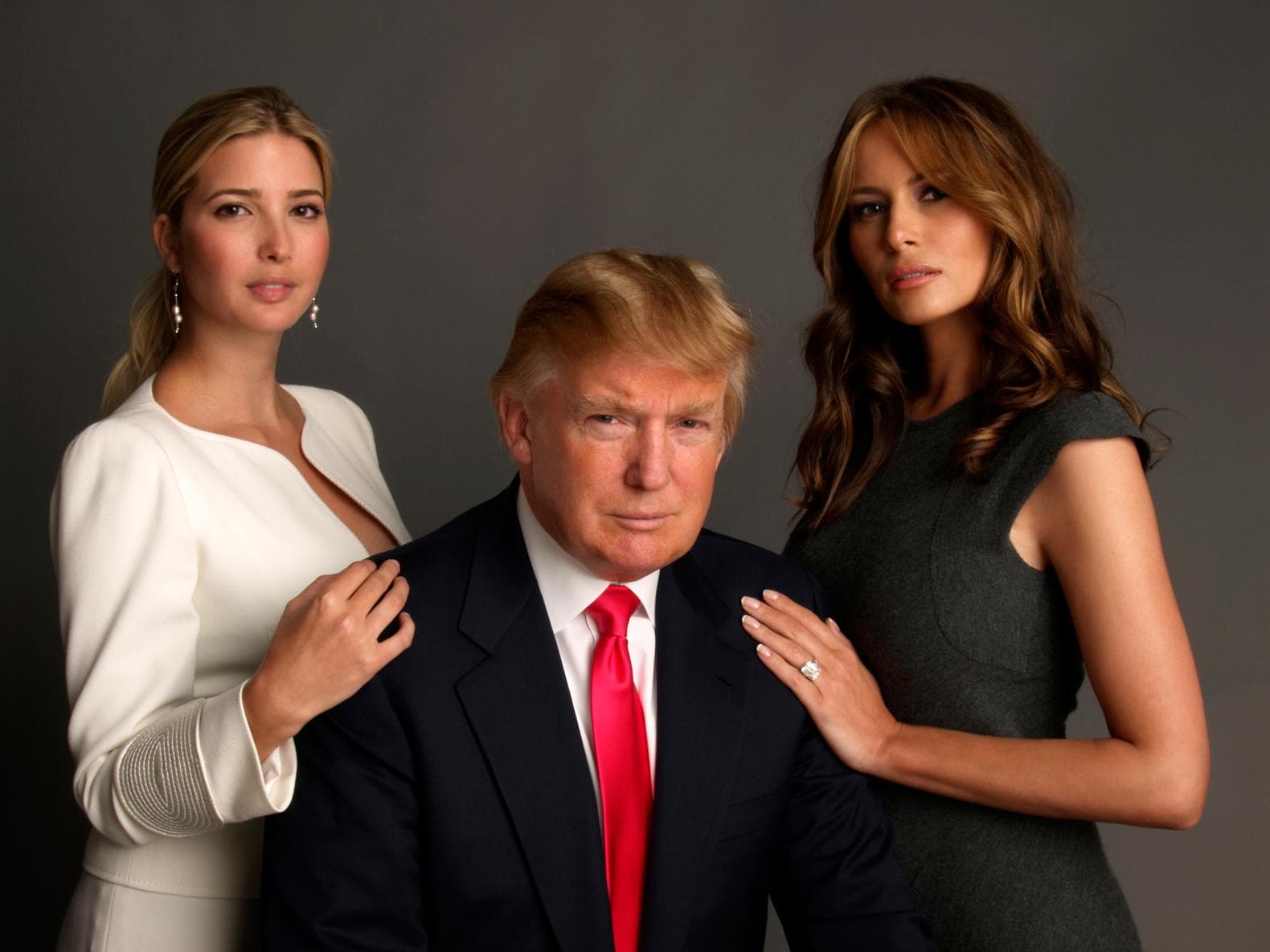
Although the case names only Wolff and Mrs. Trump, observers note that it inevitably reopens discussion about the broader Trump circle and its long-standing approach to media confrontation. Donald Trump, whose relationship with the press has been defined by conflict and litigation threats, looms over the proceedings even without being a named party.
Legal experts suggest that the outcome could influence how journalists approach politically sensitive subjects in the future, particularly those involving powerful families accustomed to aggressive legal defense.
Why This Case Matters Beyond the Courtroom
Beyond the immediate legal arguments, the dispute raises enduring questions about transparency, accountability, and the boundaries of investigative journalism. Anti-SLAPP cases are often seen as bellwethers for the health of free expression, especially when they involve wealthy or influential figures.
If the court sides with Wolff, it could reinforce protections for journalists reporting on controversial topics tied to public figures. If not, critics warn, the decision may embolden future legal threats aimed at discouraging inquiry rather than resolving factual disputes.
An Unfolding Story with National Implications
As filings proceed and judicial assignments are finalized, the case continues to draw attention from media watchdogs, constitutional scholars, and the general public alike. What began as a private warning letter has evolved into a high-profile legal confrontation that encapsulates the tension between celebrity, power, and the First Amendment.
In an era when legal strategy and media narratives increasingly collide, the outcome of this courtroom showdown may resonate far beyond the individuals involved, shaping how future disputes between public figures and the press are fought—and judged.