From Tabloid Fantasy to Geopolitical Anxiety: How a MAGA Marriage Meme Exposed America’s Greenland Obsession
In another week defined by the erosion of political norms, an online fantasy that might once have belonged to medieval Europe has crossed into mainstream American discourse. This time, it is not merely a meme or a joke confined to the outer edges of social media. Instead, it is a revealing case study of how far political imagination has drifted under Donald Trump’s influence—blending celebrity gossip, authoritarian nostalgia, and real-world foreign policy ambitions.
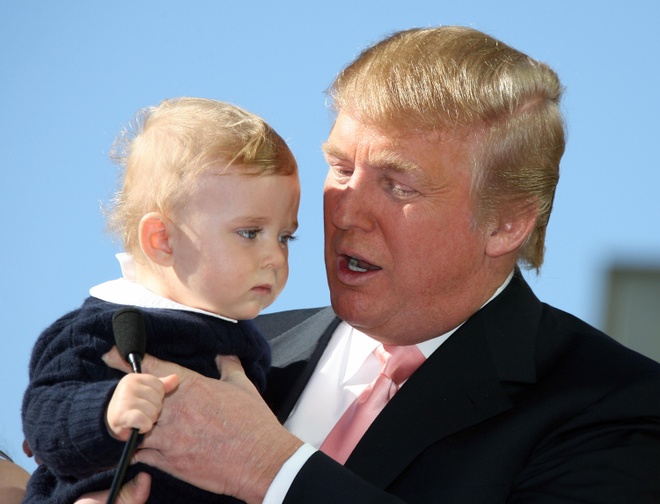
At the center of the story is Barron Trump, the 19-year-old youngest son of the former president, and an extraordinary proposal circulating among MAGA-aligned influencers: that the United States could acquire Greenland through an arranged marriage between Barron Trump and a Danish princess.
What began as online satire has rapidly mutated into something darker—an illustration of how imperial thinking, dynastic politics, and internet fandom increasingly bleed into serious geopolitical conversations.
A Private Teenager Turned Political Symbol
Barron Trump has largely remained out of the public spotlight compared with other members of the Trump family. Currently reported to be studying business at New York University’s Stern School, Barron has been the subject of intermittent tabloid coverage—much of it focused on his height, appearance, and rumored dating life rather than any political activity.
Donald Trump himself fueled this fascination during an appearance on the PBD Podcast, when he made awkward remarks about Barron’s romantic life, suggesting that his son had not yet had a girlfriend. Shortly afterward, People magazine cited an anonymous NYU student who described Barron as socially popular and “a ladies’ man.”
Such comments might normally remain within the realm of celebrity gossip. But in the Trump era, nothing stays apolitical for long.
Greenland Returns to the Spotlight
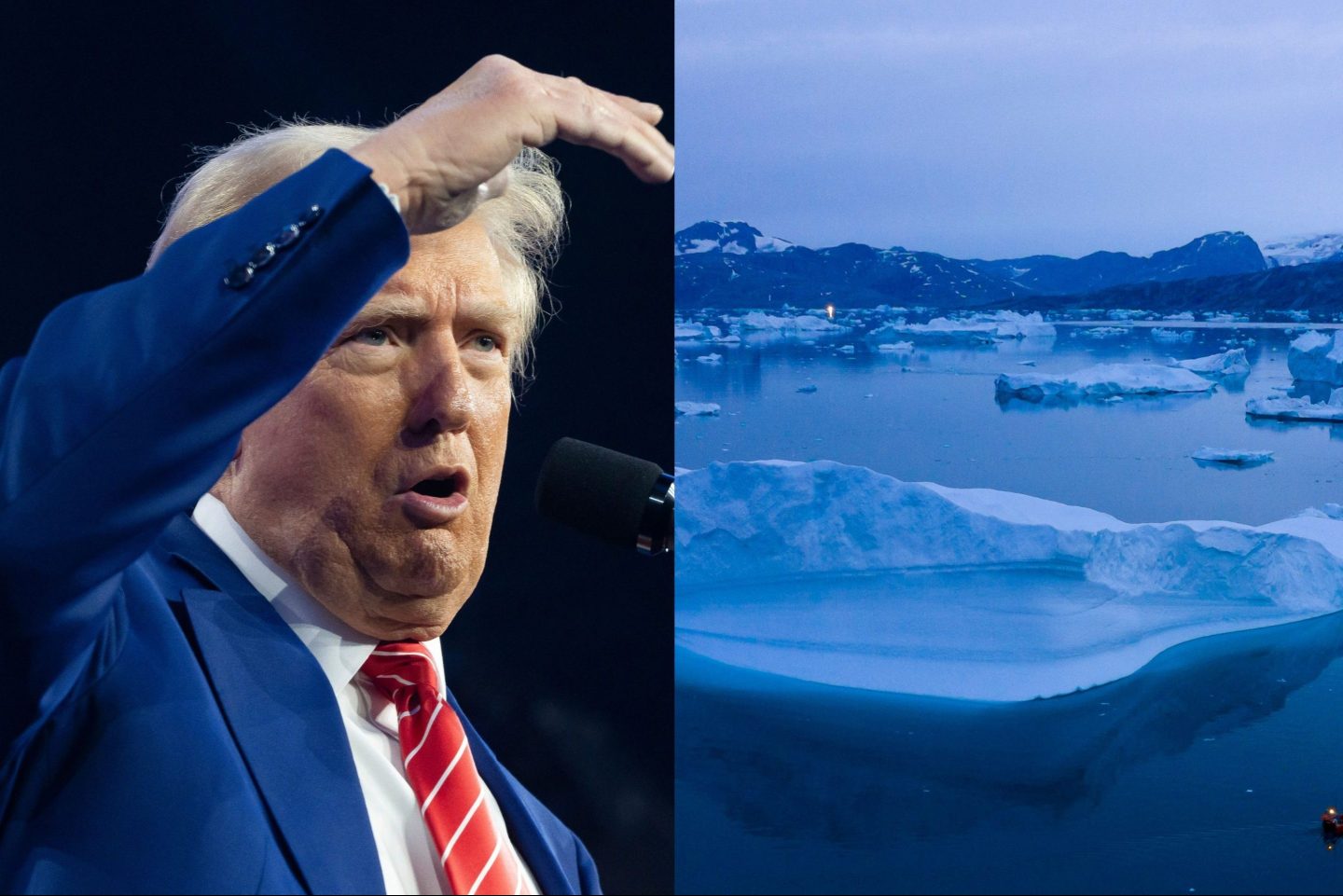
The Greenland fixation is not new. During Trump’s presidency, his repeated insistence that the United States “needs” Greenland for national security reasons drew widespread criticism from Denmark and European allies. At the time, The Atlantic reported that senior administration officials were seriously exploring acquisition options, despite public denials framing the idea as rhetorical.
That obsession resurfaced forcefully this week after Stephen Miller—now again serving as a senior Trump adviser—appeared on CNN with Jake Tapper. Miller reiterated the claim that Greenland is essential to U.S. Arctic dominance, asserting that “Greenland should be part of the United States” and dismissing concerns about military conflict by stating, “Nobody’s going to fight the United States militarily over the future of Greenland.”
Those remarks coincided with renewed outrage in Denmark and Greenland, where leaders have repeatedly emphasized that Greenland’s future belongs solely to its people.
The Meme That Went Too Far
Against this backdrop, a viral post on X (formerly Twitter) proposed a “simple diplomatic solution”: Barron Trump marrying Denmark’s Princess Isabella, with Greenland offered as a dowry.
The post, authored by MAGA influencer Miss White, amassed millions of views. Other high-profile right-wing figures joined in. Megyn Kelly referred to the idea approvingly as “the Henry Kissinger move.” Pete Hoekstra of the Heritage Foundation—an organization closely linked to Project 2025—dubbed it “the Habsburg solution,” invoking centuries-old European dynastic strategies.
What might once have been dismissed as absurd online humor gained traction precisely because it echoed themes increasingly present in Trump-aligned ideology: disdain for democratic sovereignty, nostalgia for imperial power, and the normalization of authoritarian solutions.
Project 2025 and the Return of Dynastic Thinking
To critics, the marriage meme is not funny—it is alarming.
Project 2025, the conservative policy blueprint authored by Heritage Foundation allies, envisions an unprecedented consolidation of executive power, reduced congressional oversight, and a dramatic rollback of civil liberties. While the document does not propose dynastic marriages, it openly embraces a worldview that prioritizes raw power, hierarchy, and loyalty over democratic norms.
The Greenland meme, critics argue, is the cultural expression of that same mindset: a belief that nations, territories, and even people can be treated as assets to be exchanged by elites.
International Pushback
Denmark’s response was swift and unequivocal. Leaders across Europe, including British Prime Minister Keir Starmer, French President Emmanuel Macron, and German Chancellor Friedrich Merz, signed a joint statement reaffirming that Greenland’s sovereignty is non-negotiable.
“Greenland belongs to its people,” the letter stated, underscoring the growing concern among U.S. allies that American rhetoric is veering into neo-imperial territory.
The Human Cost of Political Spectacle
Lost in the frenzy is Barron Trump himself—a teenager repeatedly turned into a political prop. In recent years, Fox News hosts speculated on his sex life on air, while social media users have linked him—often without evidence—to controversial figures such as Andrew Tate.
Media ethicists warn that such fixation reflects a broader degradation of boundaries, where even private individuals become instruments of political mythmaking.
A Warning Disguised as a Joke
The idea of acquiring territory through arranged marriage in 2025 may sound absurd. But history shows that political norms often erode first through jokes, then through memes, and finally through policy.
As authoritarian ideas gain cultural traction, the Greenland marriage fantasy stands as a troubling symbol—not of humor, but of how easily democratic societies can begin to romanticize power without limits.
And that, perhaps, is the most frightening part of all.