London — Police in London intervened in an incident involving groups blocking public footpaths during outdoor prayer activities, prompting a public statement from Reform UK politician Rupert Lowe and renewed attention to the application of public order regulations. The event, documented in circulating video footage, saw officers move to clear obstructed walkways, resulting in physical removals and public debate over consistency in enforcing rules on street use.

The confrontation occurred in a central London area where participants had reportedly used pavements for prayer, impeding pedestrian movement. Officers, responding to reports of obstruction, directed individuals to relocate and enforced compliance when met with resistance. Footage showed police using physical measures to remove people and items from the path, actions that have drawn both criticism for their handling and support from those emphasizing pedestrian rights and equal application of law.
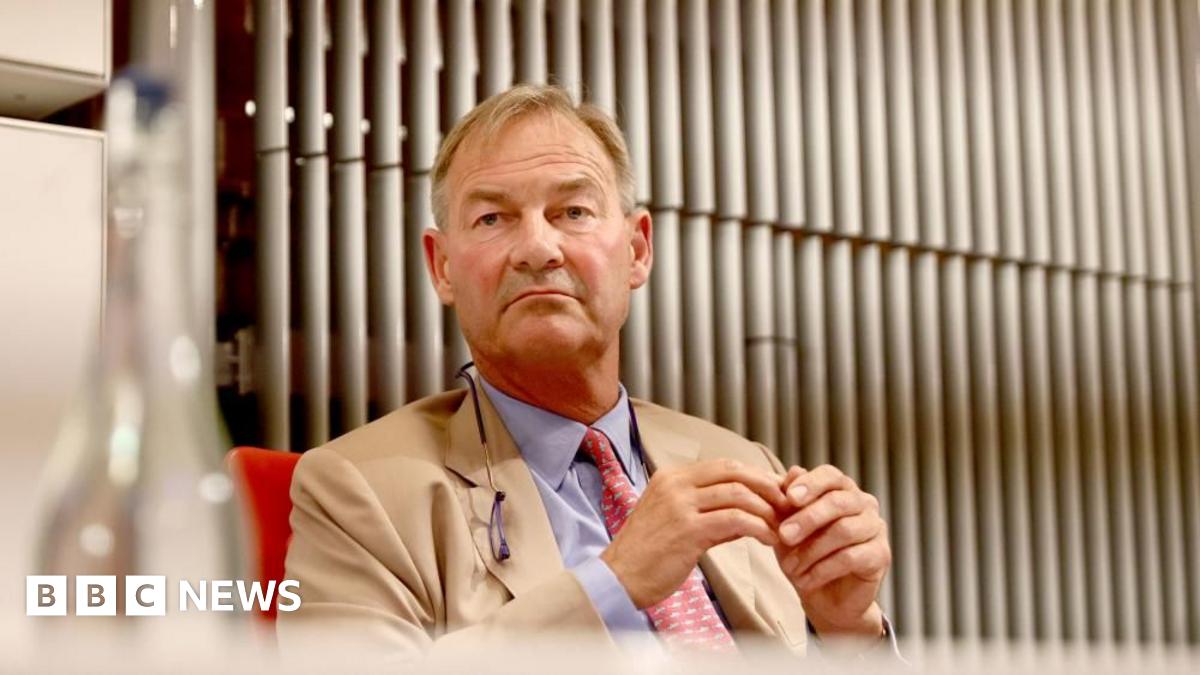
Rupert Lowe, a prominent voice associated with Reform UK, commented publicly on the matter, stating that public spaces should not be treated as extensions of private religious venues and that laws must apply uniformly regardless of context. He argued that taxpayers expect consistent enforcement to maintain open access to streets and pavements for all users.
UK law generally permits religious expression in public spaces provided it does not unduly obstruct others or breach public order provisions. The Public Order Act and related legislation allow police discretion to intervene when activities cause serious disruption to highway users or pose risks to safety. Similar incidents in the past— involving various faith groups—have prompted discussions on proportionality, prior notification requirements, and community dialogue to avoid escalation.
Authorities have not released a detailed official account of this specific event, but police statements in comparable cases stress that interventions aim to restore access rather than target religious practice itself. Critics of the police response have questioned whether force was necessary or proportionate, while supporters point to the need to prevent precedents where public thoroughfares are routinely blocked.
The episode occurs against a broader backdrop of ongoing debates about perceived inconsistencies in policing public demonstrations and gatherings. Terms such as “two-tier policing” have surfaced in political discourse, referring to allegations that enforcement varies depending on the group involved. Senior police officials, including Metropolitan Police leadership, have repeatedly rejected such characterizations, asserting that operational decisions are based on assessed risk, legal thresholds, and immediate circumstances rather than identity factors.
Local government and community leaders in affected areas often work to facilitate designated spaces for large gatherings, including prayer during peak times, to minimize disruption. In densely populated urban zones like parts of London, where street space is limited, such arrangements seek to accommodate diverse needs while preserving general access.
The incident has also highlighted the role of social media in amplifying events and shaping narratives. Video clips spread rapidly, prompting polarized reactions online and calls for official clarification. Some commentators argue the footage underscores challenges in managing multicultural urban environments, where competing claims on public resources require careful balancing. Others maintain that clear, impartial enforcement remains essential to public confidence in institutions.

No formal complaints or legal proceedings stemming directly from this event have been publicly confirmed at this stage. Home Office and Metropolitan Police sources indicate that reviews of such interventions occur routinely to assess compliance with guidelines on use of force and public engagement.
Broader policy discussions continue around updating frameworks for managing public assemblies, including potential requirements for advance coordination in high-density areas. Recent legislative proposals have addressed protest-related disruptions, though religious gatherings fall under separate considerations emphasizing freedom of worship alongside civic responsibilities.
The London event serves as a reminder of the complexities involved in governing shared public spaces in diverse societies. As urban populations grow and cultural practices evolve, authorities face the ongoing task of ensuring equitable access while respecting individual and communal rights. Further developments, including any official statements or community responses, are likely to influence how similar situations are approached in the future.