A Call to Boycott Travel to the United States: When America Under Trump Becomes a Troubling Destination
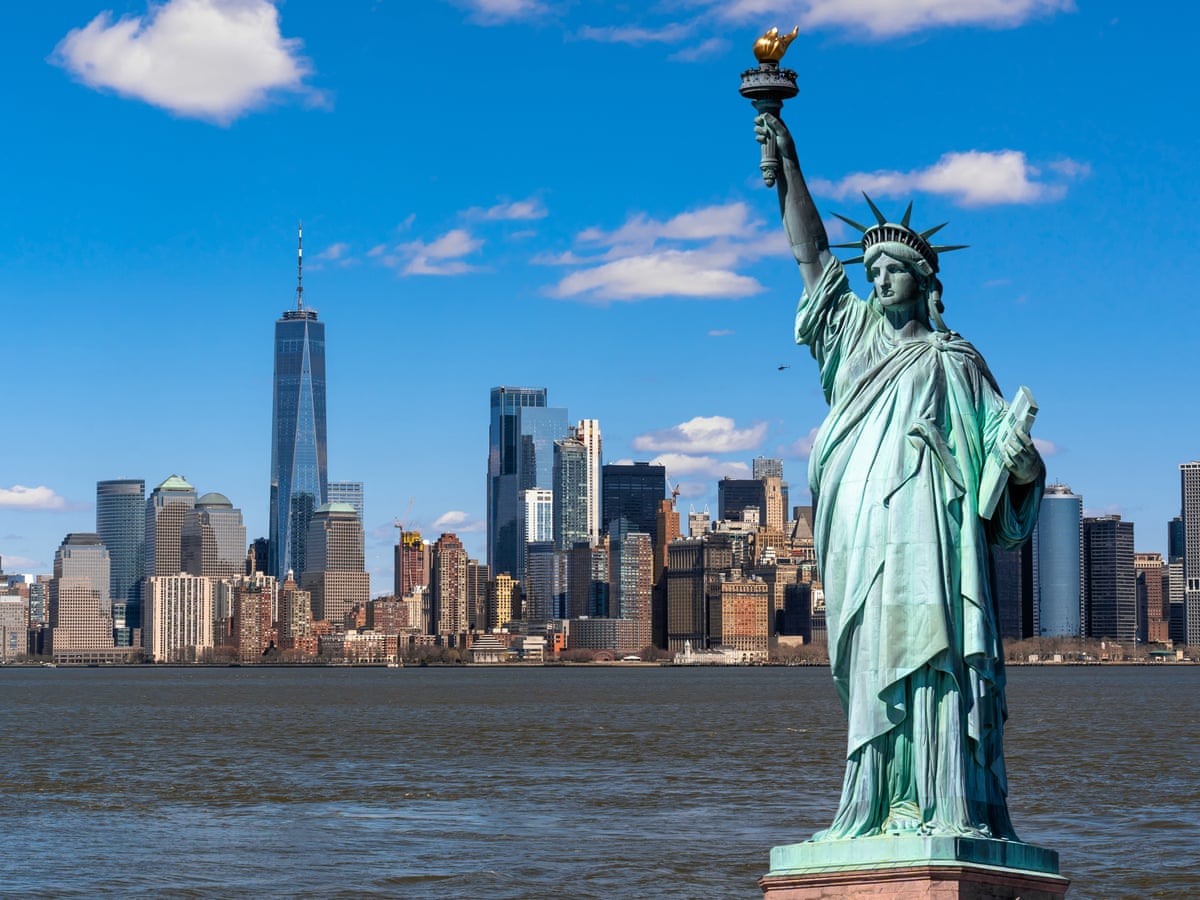
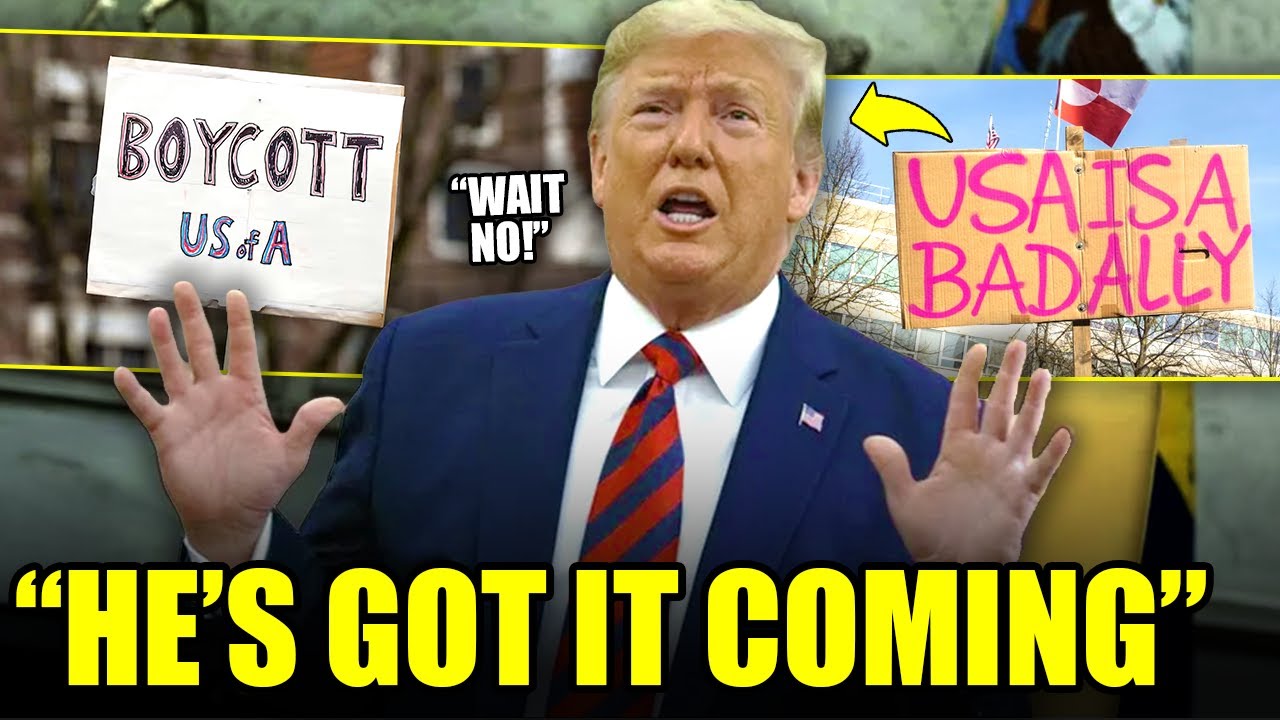
New York — For decades, the United States has been viewed as a global symbol of freedom, a dream destination for international travelers, and a crossroads of cultures. But over the past year, under the current presidency of Donald Trump, that image has begun to fracture. Across social media platforms, independent news outlets, and even official international travel advisories, a phrase is appearing with increasing frequency: “Boycott America.”
This call is not coming from hostile foreign governments or extremist groups. Instead, it is being voiced by American citizens themselves — political commentators, journalists, and progressive media organizations such as Really American, Occupy Democrats, MeidasTouch Network, and The Young Turks. Their argument is stark: the United States is no longer safe — physically, legally, or morally — for international visitors.
A More Expensive and More Hostile America
In recent weeks, the Trump administration has introduced a series of policy changes that have alarmed the tourism industry. The Department of Homeland Security (DHS) confirmed the implementation of a new $250 surcharge on certain visa categories, claiming the measure is intended to “restore integrity to the U.S. immigration system.”
What has raised particular concern is that these fees are not being handled by the State Department, as is customary, but instead by DHS — the federal agency responsible for immigration enforcement.
Government data from 2016 to 2022 show that only 1 to 2 percent of visitors overstay their visas. Nevertheless, the administration has cited estimates suggesting that roughly 42 percent of the approximately 11 million undocumented immigrants in the U.S. originally entered legally and overstayed visas, using that figure to justify higher costs imposed on all foreign travelers — a move critics describe as collective punishment.
The administration has also announced significant fee increases for international visitors to U.S. national parks. Non–U.S. residents are now required to pay $250 for an annual pass, or $100 per person to enter 11 of the most visited parks, including the Grand Canyon and Yellowstone.
“This could not be worse timing,” a tourism industry representative told CNN. “International travel is already down, and now the federal government is actively discouraging visitors.”
Speech, Surveillance, and Social Media Scrutiny
Perhaps even more troubling for foreign visitors is the administration’s expanding scrutiny of online speech. The State Department has proposed requiring certain visa applicants to make their social media accounts publicly accessible, raising fears that political opinions critical of President Trump or U.S. policy could result in visa denial or entry bans.
Civil liberties organizations argue that this policy creates a chilling effect, particularly for journalists, academics, activists, and students — groups that historically viewed the United States as a safe environment for free expression.
As one immigration attorney wrote on Substack, “The message to the world is simple: Watch what you say about America, or don’t come at all.”
ICE, Violence, and Fear for Personal Safety
Concerns extend beyond paperwork and speech. Viral videos circulating on X (formerly Twitter), TikTok, and Instagram have shown Immigration and Customs Enforcement (ICE) agents using aggressive tactics, sometimes against U.S. citizens themselves.
One case that sparked widespread outrage involved Renee Good in Minnesota, a U.S. citizen who was fatally shot during an encounter with ICE agents. Civil rights advocates argue that the incident shattered a long-standing assumption — that citizenship guarantees protection. If American citizens are not safe from excessive force, critics ask, what protection can foreign visitors realistically expect?
These fears are compounded by the continued prevalence of mass shootings. On Reddit, Substack, and travel forums, foreign tourists increasingly describe anxiety about becoming collateral victims of random gun violence — a risk they say is far less common in their home countries.
The World Takes Notice: Official Travel Warnings
What was once anecdotal has now become official policy abroad. Canada, the United Kingdom, Japan, Australia, and Germany have all issued or updated travel advisories for the United States.
Canada advises travelers to familiarize themselves with active shooter response procedures. The U.K. warns of terrorism risks and urges heightened vigilance in crowded public spaces. Japan specifically cites gun violence as a concern. Australia references elevated risks of mass-casualty attacks. Germany cautions travelers about strict entry policies, potential detention, and risks faced by LGBTQ+ visitors.
According to Tourism Economics, the U.S. is projected to experience a 9 percent decline in international arrivals in 2025, amounting to $8.5 billion in lost visitor spending. The World Travel & Tourism Council forecasts an even steeper loss, estimating $12.5 billion in reduced tourism revenue.
Trump, International Law, and Strategic Isolation
On the global stage, President Trump has continued to alarm allies by openly dismissing international norms and legal frameworks. His administration has withdrawn the United States from dozens of international organizations and agreements related to climate change, human rights, and economic cooperation.
When asked whether anything constrains his power internationally, Trump responded that only his own morality does — a statement that reverberated across foreign capitals.
From repeated assertions that the United States “needs Greenland,” to his confrontational treatment of Ukrainian President Volodymyr Zelensky during diplomatic meetings, Trump has sent a consistent message: the United States under his leadership no longer sees itself bound by shared global rules.
Analysts warn that this posture not only isolates America politically, but also damages its reputation as a stable and welcoming destination.
A Painful Appeal — But a Deliberate One
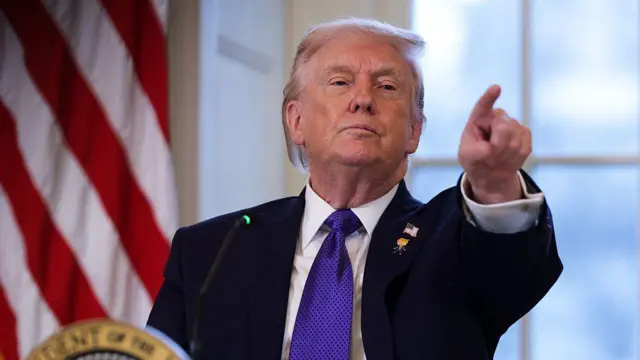
For many Americans, calling for a tourism boycott is emotionally wrenching. Tourism supports millions of jobs and countless local communities. Yet those urging the boycott argue that economic pressure may be the last nonviolent tool available to force domestic accountability.
“Don’t abandon America forever,” one widely shared Substack post reads. “But abandon us for now.”
The hope among these critics is that visible financial losses — empty hotels, canceled trips, unsold tickets — will confront American voters with the real-world consequences of political choices made at the ballot box.
As one commentator for Really American put it, “One lawless administration cannot destroy the United States. But defeating it requires help — and the world has leverage.”