By XAMXAM
When Ontario Premier Doug Ford labeled Donald Trump a “tyrant,” it was not merely an off-the-cuff insult hurled across the border. It was a rhetorical line in the sand, one that captured a broader shift underway in Canada’s political mood — and signaled that the country’s response to American pressure has entered a new, more assertive phase.

What began as a trade dispute has steadily evolved into a question of sovereignty and self-respect. For months, Trump’s tariffs and threats have weighed heavily on Canadian industries, particularly in Ontario, where manufacturing and cross-border commerce remain economic lifelines. While many leaders opted for careful language and diplomatic restraint, Ford chose blunt clarity. He described the tariffs as “economic punishment aimed at Canadian workers” and rejected the notion that Canadians should quietly absorb the damage.
The remark that drew the most attention came during a discussion of changing travel patterns. Canadians, Ford noted, were no longer flocking south for winter vacations or weekend shopping trips. “You can’t let one tyrant change your lives,” he said, explaining his own decision to skip Florida this year. It was a striking choice of words — one that resonated instantly at home and reverberated sharply in Washington.
Yet focusing solely on the insult risks missing the deeper story. Ford’s comments crystallized a shift that had already begun at the grassroots. Without official mandates or nationalist slogans, Canadians have started to adjust their behavior. Tourism dollars are being spent domestically. Shoppers are choosing Canadian wine, spirits, and locally produced goods. The result, according to provincial data, is measurable growth in sectors once overshadowed by U.S. competition.
This consumer-driven response has given political leaders room to act more boldly. In Niagara Falls, Ford announced a sweeping, multi-billion-dollar “Destination Niagara” strategy aimed at transforming the region from a brief stopover into a multi-day global destination. The plan includes expanded casino development, major investments in arts and culture, transportation upgrades, and an ambitious goal: attracting 25 million visitors annually and generating an additional $3 billion in revenue each year.
Niagara Falls, Ford observed, has global name recognition that many Canadian cities lack. The strategy seeks to capitalize on that brand while reducing reliance on American tourists. It is not, he argued, an act of defensive economics but one of confidence — an effort to compete internationally at a moment when the United States appears increasingly unpredictable.

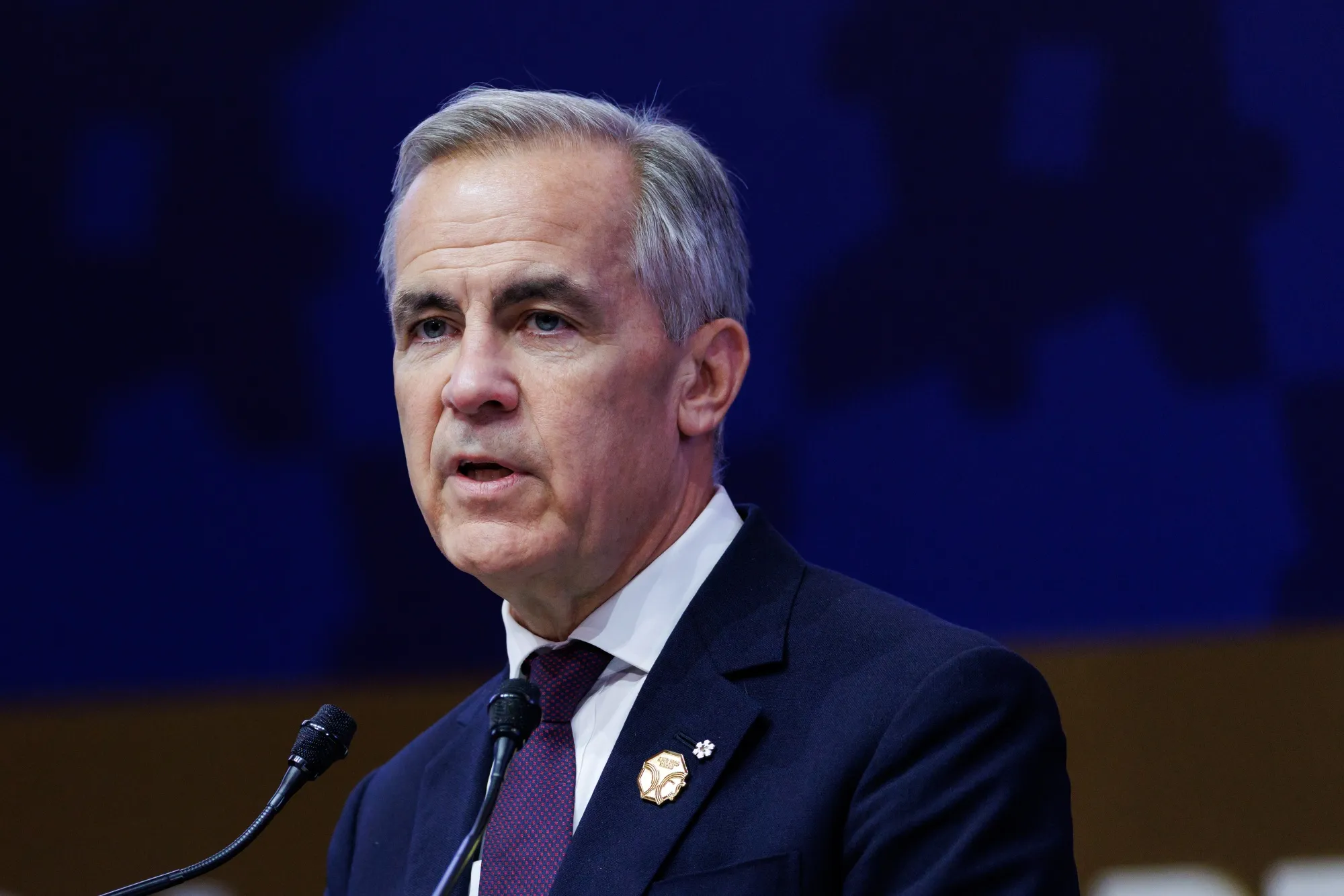
At the federal level, Prime Minister Mark Carney has taken a markedly different tone. Where Ford confronts pressure head-on, Carney has emphasized discipline, stability, and long-term restructuring. His government has quietly pursued diversification of trade relationships and policies designed to lessen Canada’s dependence on the U.S. market. The contrast is striking, but the approaches are complementary: one vocal and confrontational, the other methodical and strategic.
Together, they reflect a recalibration of Canadian leadership. Rather than choosing between defiance and diplomacy, Canada is deploying both. Ford’s bluntness speaks to domestic frustration and signals limits to American influence. Carney’s steadiness reassures global partners that Canada remains a reliable, rules-based actor even as it repositions itself economically.
The most consequential element of this moment, however, may not lie in speeches or strategies but in public behavior. Canadians are increasingly exercising what economists call “economic agency” — using everyday spending decisions to support domestic industries. In Ontario, local wineries and distilleries have reported surging sales. Shelves are shifting, and supply chains are adjusting in response to consumer demand that is explicitly, if quietly, patriotic.
Trade wars often begin in boardrooms and capitals, but they are felt at checkout counters. Canada’s response suggests a recognition that resilience is built not only through policy but through collective choice. The message is subtle yet unmistakable: intimidation will not be normalized.
History may remember this period not as a time when Canada merely reacted to American pressure, but as a moment of decision — when the country chose to stand taller, invest inward, and redefine its relationship with its most powerful neighbor. Doug Ford’s “tyrant” remark was the spark, but the fire has been building for some time.
Whether this recalibration leads to lasting economic independence remains to be seen. What is clear is that Canada is no longer responding quietly. And in that shift lies a profound change in how the nation sees itself — and how it intends to engage with the world beyond its borders.