Europe’s energy and industrial strategy has been quietly upended by a $53 billion copper deal that most global markets initially dismissed as routine. What appeared to be a standard mining consolidation has since revealed itself as a structural shift in power—one that places Canada at the center of Europe’s long-term clean energy and industrial survival, while exposing deep vulnerabilities inside the European Union’s supply chain planning.
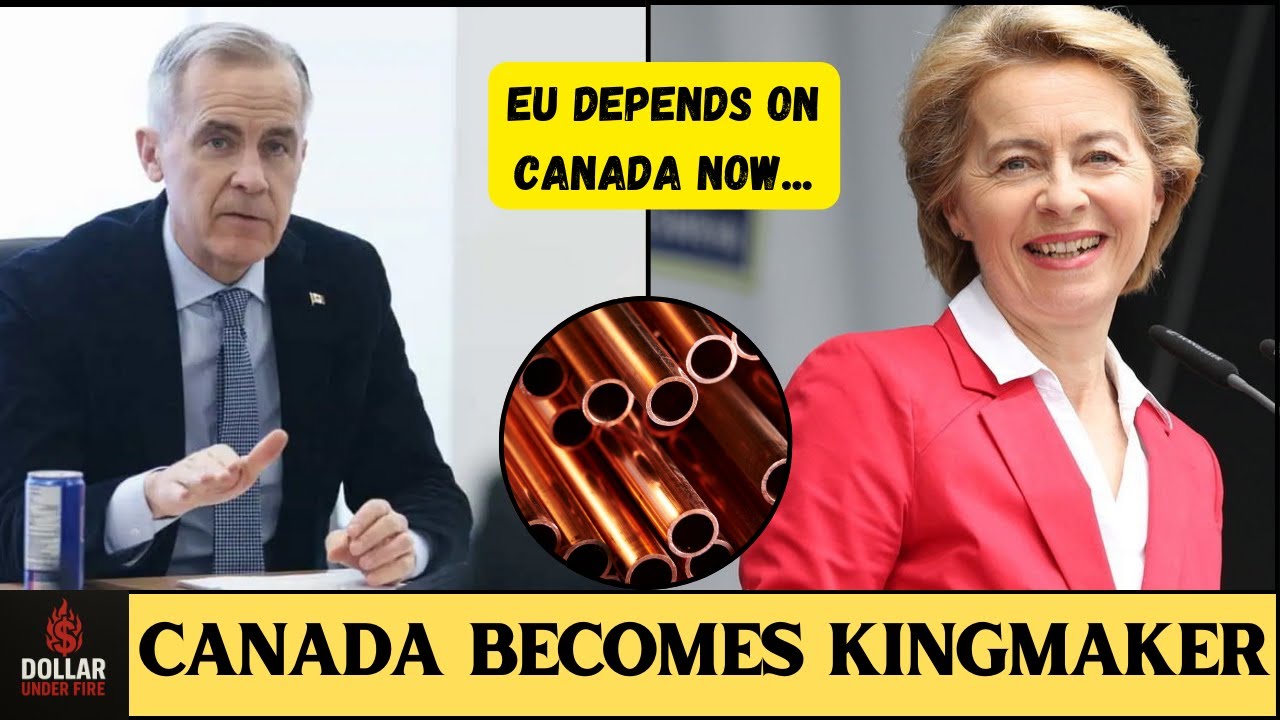
At the heart of the issue is copper, a resource Europe cannot function without and cannot produce at scale. Every pillar of the EU’s green transition—electric vehicles, wind turbines, solar infrastructure, data centers, grid upgrades, and electrification—depends on massive, uninterrupted copper supply. Internal European assessments now acknowledge a growing gap between copper demand and realistic domestic production. That gap is no longer theoretical. It is structural, accelerating, and politically dangerous.
The $53 billion merger between major Western copper players, led under Canadian jurisdiction, landed at precisely the wrong moment for Europe. While analysts framed the deal as efficiency-driven, European policymakers saw something else entirely: consolidation of reliable supply under a single, stable, auditable country just as Europe’s alternatives began to fracture. Chile and Peru face political volatility and labor disruptions. African suppliers raise governance and reputational concerns European leaders struggle to defend publicly. China controls a dominant share of global refining, creating geopolitical exposure Europe explicitly promised to avoid after the Russian gas crisis.
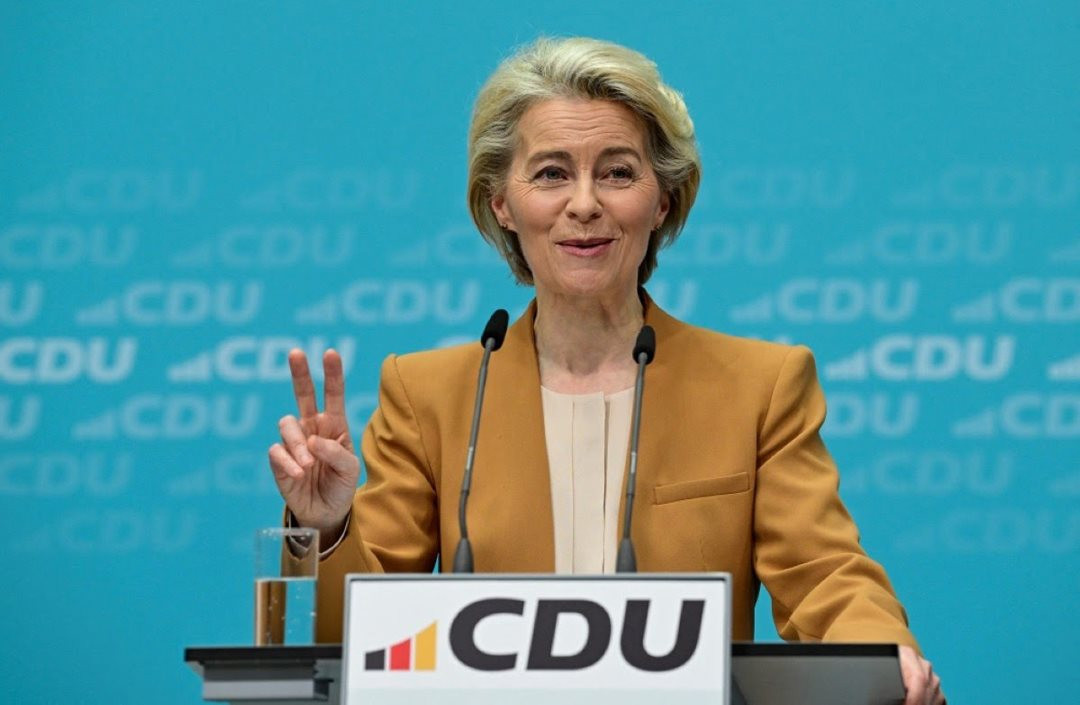
Europe’s panic does not stem from price volatility alone. It stems from reliability. Long-term infrastructure planning requires certainty measured in decades, not quarters. Copper mines take years—often more than a decade—to permit, finance, and bring online. Europe’s own mining ambitions remain stalled by environmental resistance, regulatory delays, and land constraints. Even optimistic projections show domestic output covering only a fraction of future demand.
Canada, by contrast, spent years quietly preparing. Investments in geological surveying, infrastructure, rail links to ports, electrified mining operations, regulatory clarity, and long-term Indigenous partnership frameworks have given Canadian projects something rare in the global minerals market: predictability. For European governments facing voter scrutiny, parliamentary oversight, and climate accountability, predictability matters as much as volume.
The merger effectively amplified this advantage. Instead of negotiating fragmented contracts with dozens of producers across unstable regions, European governments and manufacturers suddenly found themselves dealing with a consolidated supplier capable of scale, compliance, and long-term delivery under rules they could verify. German, French, and Nordic delegations began requesting briefings. Battery manufacturers explored direct investment. Energy planners shifted from short-term sourcing to multi-decade anchoring strategies.
Germany’s response has been particularly telling. Scarred by its dependence on Russian gas, Berlin now treats mineral security as energy security. Industrial giants and policymakers alike have pushed for government-backed mineral agreements tied to stable jurisdictions. Canada meets every internal benchmark Germany applies: democratic governance, environmental transparency, auditable standards, and the ability to deliver consistently through 2050 and beyond.
At the EU level, this shift aligns with broader policy changes. The Net-Zero Industry Act prioritizes traceable, ethical, and transparent supply chains. European manufacturers increasingly demand materials they can justify publicly, not just procure cheaply. In that context, Canadian copper offers reputational safety alongside supply security—an increasingly rare combination.
Globally, the timing could not be more critical. Demand for copper is accelerating faster than new supply can realistically come online. Artificial intelligence data centers, EV fleets, grid modernization, and renewable energy expansion are all competing for the same metal. Industry forecasts warn that by the mid-2030s, global production may fall short of projected demand by a wide margin. This is not a cyclical shortage. It is a structural one.
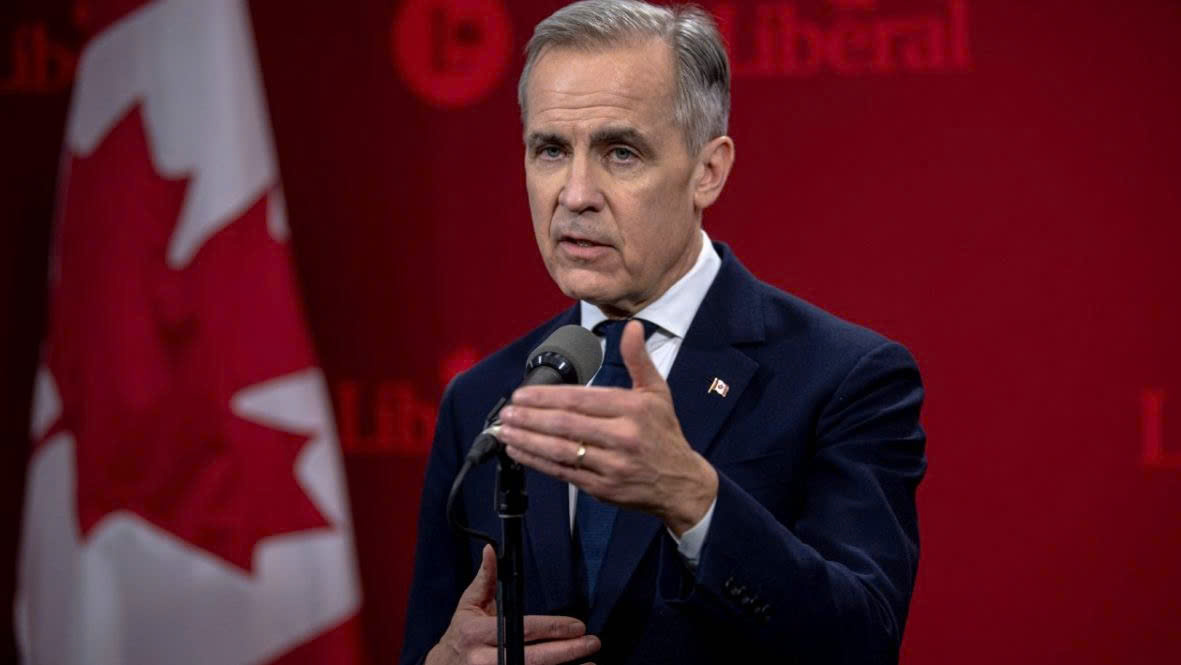
The United States faces its own challenges rebuilding domestic production amid legal and local opposition. Europe cannot mine its way out of dependence. Australia is increasingly oriented toward Asian demand. As options narrow, Canada stands out not because it is the cheapest supplier, but because it is the most dependable.
What unfolded was not loud or confrontational. There were no sanctions, no ultimatums, no public declarations. Instead, power shifted through contracts, infrastructure, and preparation. The $53 billion copper deal reorganized influence quietly, positioning Canada as a central pillar of Europe’s clean energy future at a moment when alternatives were eroding.
Copper is no longer just a commodity. It is the backbone of industrial competitiveness, climate commitments, and economic resilience. Europe’s realization came late—but the consequences will shape its energy strategy for decades.