Artists Depart the Kennedy Center as Cultural Politics Intensify Under Trump
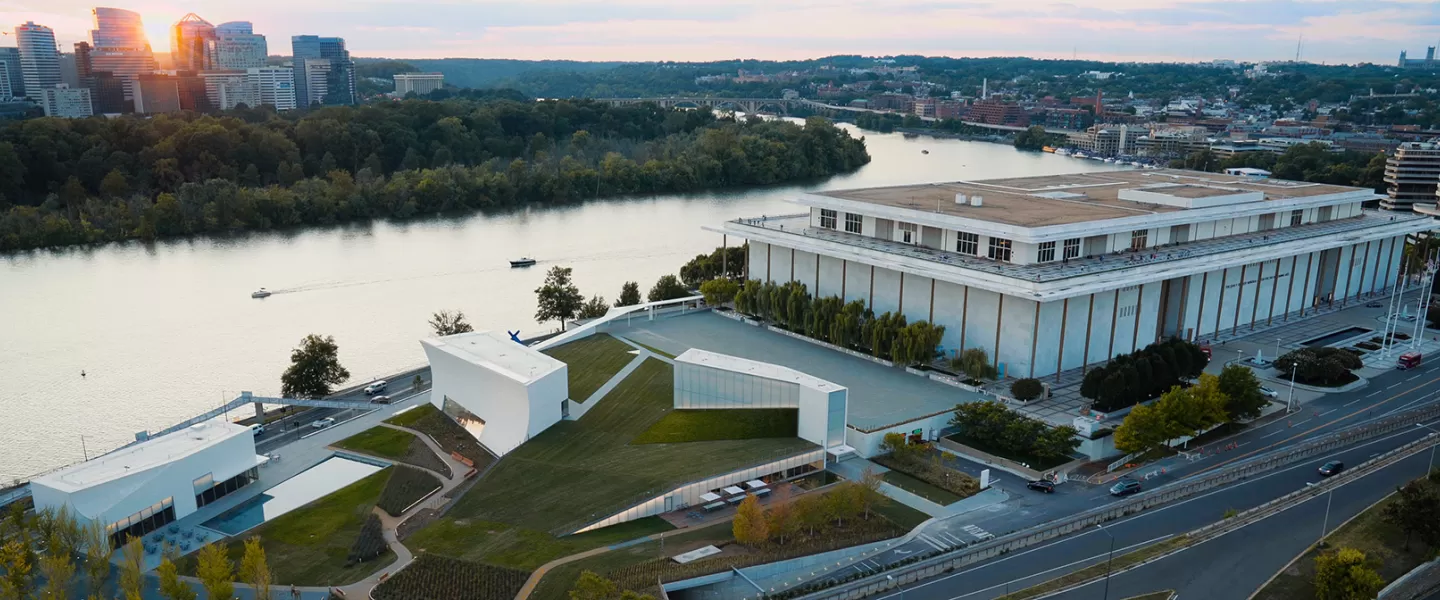
Washington — For more than half a century, the John F. Kennedy Memorial Center for the Performing Arts has stood as a bipartisan symbol of American cultural life, a federally supported institution designed to remain insulated from political control. In recent months, however, the Kennedy Center has become the focus of a widening cultural and political dispute, as prominent artists, composers, and performing organizations distance themselves from the venue amid accusations of political interference by the Trump administration.
At the center of the controversy is President Donald Trump’s relationship with the Kennedy Center’s governance. Critics argue that changes to the Center’s board — and what they describe as the president’s rhetorical and symbolic attempts to imprint his brand on the institution — represent an unprecedented politicization of a national cultural landmark. Supporters of the administration reject those claims, describing the resignations and cancellations as partisan protest rather than principled resistance.
What is not in dispute is the scale of the reaction. According to public announcements, interviews, and artist statements circulating widely across U.S. media and social platforms, more than a dozen high-profile performers and cultural figures have withdrawn from scheduled appearances or severed formal ties with the Kennedy Center since early 2025.
Among the most significant developments came last week, when the Washington National Opera announced that it would relocate future performances away from the Kennedy Center, ending a residency that dates back to the 1970s. In a brief statement, the company cited “organizational independence and artistic integrity,” without directly naming the administration. The move nevertheless sent shockwaves through Washington’s arts community, where the opera has long been considered a cornerstone tenant.
The opera’s decision follows a cascade of cancellations and resignations that has unfolded over the past year. The Broadway musical Hamilton withdrew planned engagements. Jazz artists associated with the Kennedy Center’s annual programming, including members of the Cookers collective, canceled multiple performances. Composer Stephen Schwartz, known for Wicked, stepped down as host of a major gala event. Musicians including Béla Fleck and Rhiannon Giddens publicly announced the cancellation of concerts scheduled for 2025. Television producer Shonda Rhimes, soprano Renée Fleming, and singer-songwriter Ben Folds resigned from advisory or leadership roles earlier in the year.
Mr. Folds, who served as an artistic adviser to the National Symphony Orchestra — a separate institution that performs primarily at the Kennedy Center — became one of the earliest and most vocal critics. In a widely viewed interview conducted shortly after his resignation, he said he believed the administration’s actions reflected what he called “authoritarian instincts” toward cultural institutions.
“The arts are always among the first places power tries to assert itself,” Mr. Folds said in that interview, which has circulated extensively on YouTube and X. “Once you control expression, you shape the narrative.”
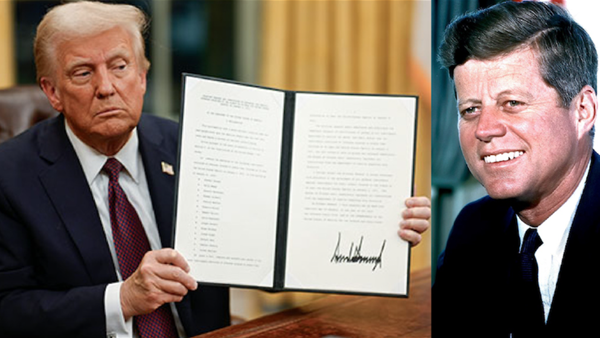
The administration has pushed back against such characterizations. Allies of the president argue that the Kennedy Center, as a federally supported institution, has long reflected elite cultural preferences and that board changes are both lawful and overdue. They note that presidents of both parties have historically appointed trustees and that disagreement with artists does not constitute censorship.
Still, the symbolism surrounding the Kennedy Center has intensified the backlash. Critics object to what they describe as the president’s repeated references to the venue as the “Trump Kennedy Center,” language that legal scholars and journalists have pointed out carries no statutory authority. Under federal law, only Congress can formally rename the institution.
Those remarks, combined with visible changes to signage and governance announced by the board, have fueled protests among artists and audiences alike. On social media platforms including TikTok, Instagram, and X, videos of near-empty auditoriums and interviews with disappointed patrons have garnered millions of views. While attendance data has not been independently audited, the perception of declining audiences has become a powerful narrative among critics.
Jim Acosta, a CNN journalist who reported on-site during one of the board transition events, described the moment as “a symbolic rupture,” arguing that the Kennedy Center’s memorial status — named for a president assassinated while in office — demands a degree of political restraint. His comments, broadcast and later clipped across social platforms, were echoed by historians and former arts administrators.
For many artists, the issue is less about partisan disagreement than about precedent. The Kennedy Center has historically hosted performers from nations with repressive governments, including émigré composers and musicians who fled state censorship. Rostropovich, the famed cellist who once led the National Symphony Orchestra, famously defected from the Soviet Union and found artistic freedom in the United States.
“That history matters,” Mr. Folds said in a recent interview. “For people who escaped authoritarian regimes, the idea that government power should direct or intimidate artistic expression is deeply unsettling.”
Not all performers agree on how to respond. Members of the National Symphony Orchestra, who are contractually tied to performances at the Kennedy Center, have expressed concern privately about job security and institutional stability. Some argue that remaining inside the institution offers an opportunity to preserve its mission from within, while others believe withdrawal is the only meaningful form of protest.
Cultural economists note that the dispute may ultimately be decided less by politics than by market forces. “Prestige venues depend on talent,” said one former arts administrator who requested anonymity. “If artists and audiences disengage, the institution weakens regardless of who controls the board.”
The administration, for its part, has shown no indication of reversing course. Supporters argue that public funding justifies greater oversight and that accusations of authoritarianism are exaggerated. Conservative media outlets have portrayed the resignations as evidence of ideological intolerance within the arts community.
As the controversy enters its second year, the Kennedy Center remains open, staffed, and operational — but increasingly isolated. Whether it can reclaim its role as a broadly shared cultural space may depend on developments beyond the arts themselves, as political polarization continues to reshape even the country’s most established institutions.
For now, the departures continue, and the Kennedy Center’s future — once considered politically untouchable — has become a case study in how culture, power, and protest collide in modern America.