OTTAWA — Canada and Australia have concluded a major bilateral defence agreement described by both governments as the most extensive in their shared history. The pact formalizes expanded military cooperation, joint investment in advanced capabilities, and closer strategic coordination across multiple domains.

Policy circles are watching closely as the pact expands structured collaboration across maritime security, emerging technologies, and strategic planning — building on longstanding Five Eyes and Commonwealth ties without altering existing multilateral frameworks. Sources describe the move as a measured consolidation of shared interests rather than a dramatic pivot: reinforcing resilience among like-minded partners amid broader Indo-Pacific and transatlantic dynamics. Insiders frame it as pragmatic layering — not a rupture in alliances, not a public repositioning, just enhanced optionality in an uncertain security environment.
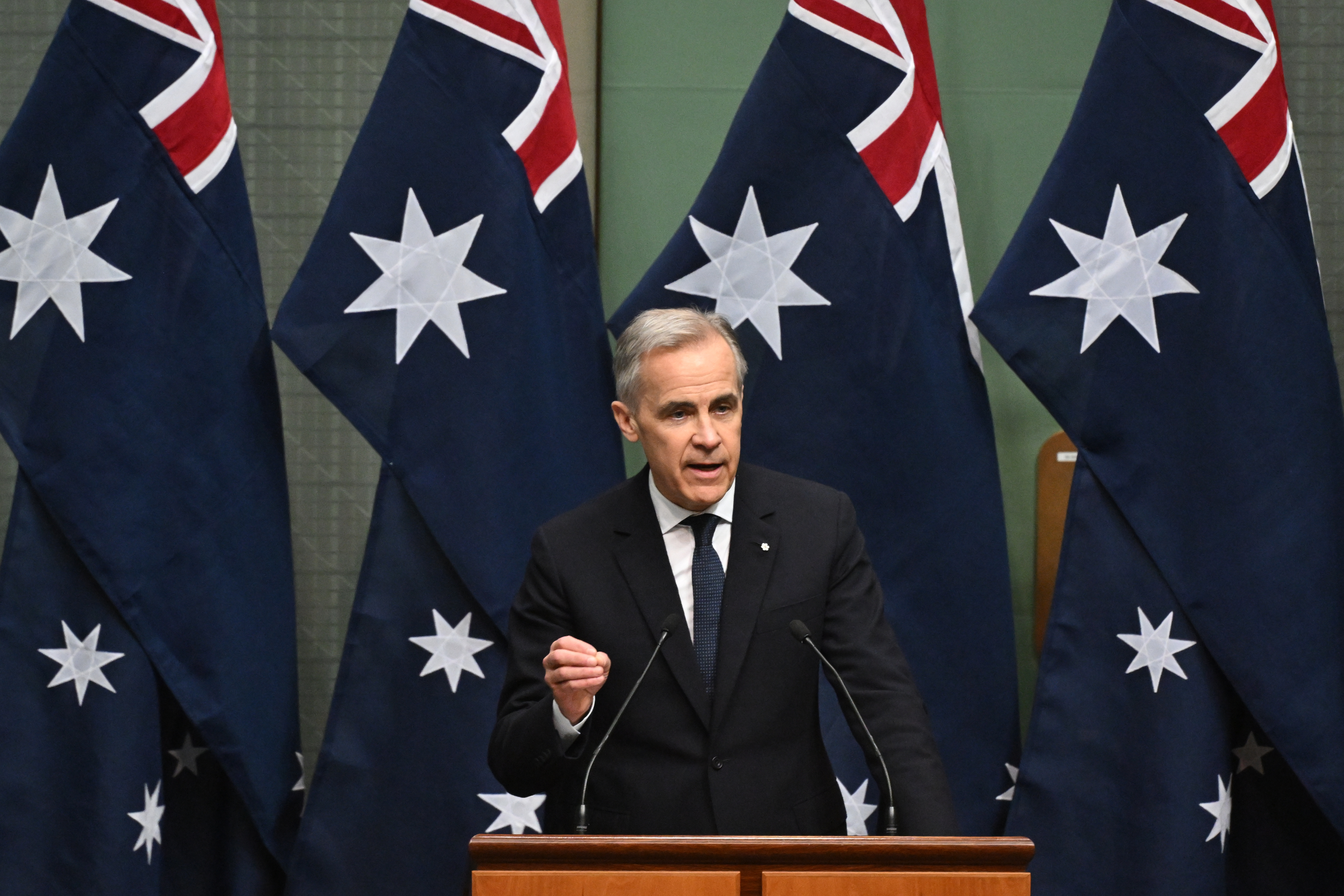
The signing ceremony, attended by senior defence and foreign affairs officials from both nations, marked the culmination of negotiations that accelerated in recent years amid evolving global security challenges. Prime Minister Mark Carney of Canada and Prime Minister Anthony Albanese of Australia issued joint statements highlighting the agreement’s focus on strengthening interoperability between their armed forces, enhancing maritime domain awareness, deepening intelligence-sharing mechanisms, and collaborating on research, development, and acquisition of next-generation defence technologies.
Key elements of the agreement include provisions for increased joint exercises, shared access to training facilities, coordinated procurement of compatible equipment, and collaborative projects in areas such as cyber defence, autonomous systems, hypersonic technologies, and undersea warfare capabilities. Both countries emphasized that the pact builds directly on existing frameworks, including their membership in the Five Eyes intelligence alliance, the ANZUS treaty structure (for Australia), and longstanding Commonwealth defence ties.
Officials noted that the agreement responds to shared strategic priorities in the Indo-Pacific and broader global context. Both nations face similar challenges related to maritime security, supply-chain resilience for defence industries, and the need to maintain technological edges in contested domains. The deal includes commitments to joint investment in industrial base capacity, with provisions for technology transfer, co-production opportunities, and aligned research funding to reduce duplication and accelerate capability delivery.

Analysts have described the scale of the agreement as significant for two middle powers with complementary but distinct geographic focuses — Canada’s emphasis on Arctic and Atlantic domains alongside Australia’s Indo-Pacific orientation. The pact is seen as reinforcing deterrence through enhanced collective capability rather than creating new formal alliances. It does not alter commitments to NATO (for Canada) or AUKUS (for Australia), but positions both countries to better coordinate contributions within those structures.
The timing aligns with heightened attention to defence-industrial resilience following recent supply disruptions and tariff-related frictions in North American trade. Both governments have prioritized diversifying defence supply chains and building sovereign capacity in critical technologies. The agreement includes mechanisms for regular ministerial-level reviews and joint working groups to implement specific projects, with initial funding allocations already identified in respective national budgets.
Public statements from both capitals underscored the mutual benefits of closer alignment. Canadian officials highlighted opportunities to leverage Australia’s expertise in Indo-Pacific operations and advanced naval systems, while Australian counterparts pointed to Canada’s strengths in cold-weather operations, space-based sensing, and Arctic domain awareness. The partnership is framed as contributing to stability in an era of strategic competition, without directing the agreement against any specific actor.
The agreement has drawn attention from other partners. Observers note potential implications for trilateral and quadrilateral formats involving the United States, Japan, and India, where Canada and Australia already participate. It may also influence discussions on burden-sharing and capability specialization within broader coalitions.
Domestically, the pact has received broad support in both countries. Defence industry associations welcomed the prospect of expanded joint procurement and technology collaboration, while parliamentary committees in Ottawa and Canberra have signaled intent to review implementation closely. Environmental and Indigenous consultation requirements under national laws will apply to any related infrastructure or testing activities.
The signing comes amid ongoing bilateral efforts to deepen economic and security ties beyond defence, including critical minerals cooperation and clean-energy technology partnerships. Officials indicated that follow-on agreements in adjacent domains could emerge as implementation progresses.
As global security environments evolve, the Canada-Australia defence pact represents a concrete step by two resource-rich, rules-based democracies to enhance mutual resilience and strategic flexibility. Regular dialogue mechanisms established under the agreement are expected to ensure steady advancement of joint priorities in the years ahead.