“White House Shuts Down Press Access to West Wing — Reporters Outraged as Transparency ‘Closes Its Doors’”
In a move that’s sending shockwaves through Washington, the White House announced Friday that reporters will no longer have free access to the West Wing — including the area known as the “Upper Press”, located near the Oval Office. The new rule requires journalists to schedule appointments in advance, citing national security concerns and the need to protect sensitive materials.
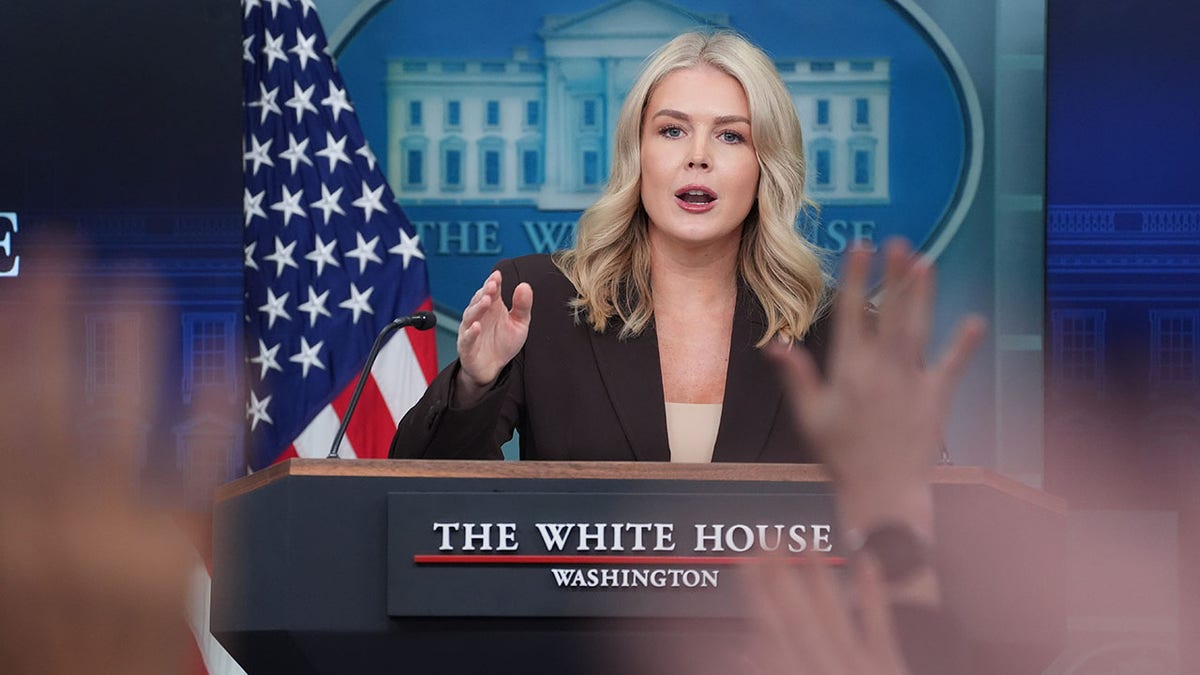
The White House announced that journalists would no longer be authorized to freely access an area of the West Wing that is home to offices for senior communications officials. (Associated Press)
According to a memo from the National Security Council, the decision aims to maintain coordination between the NSC staff and White House communications team. For years, journalists with hard passes could walk into Room 140 freely to exchange information with senior officials — a tradition now abruptly cut off.
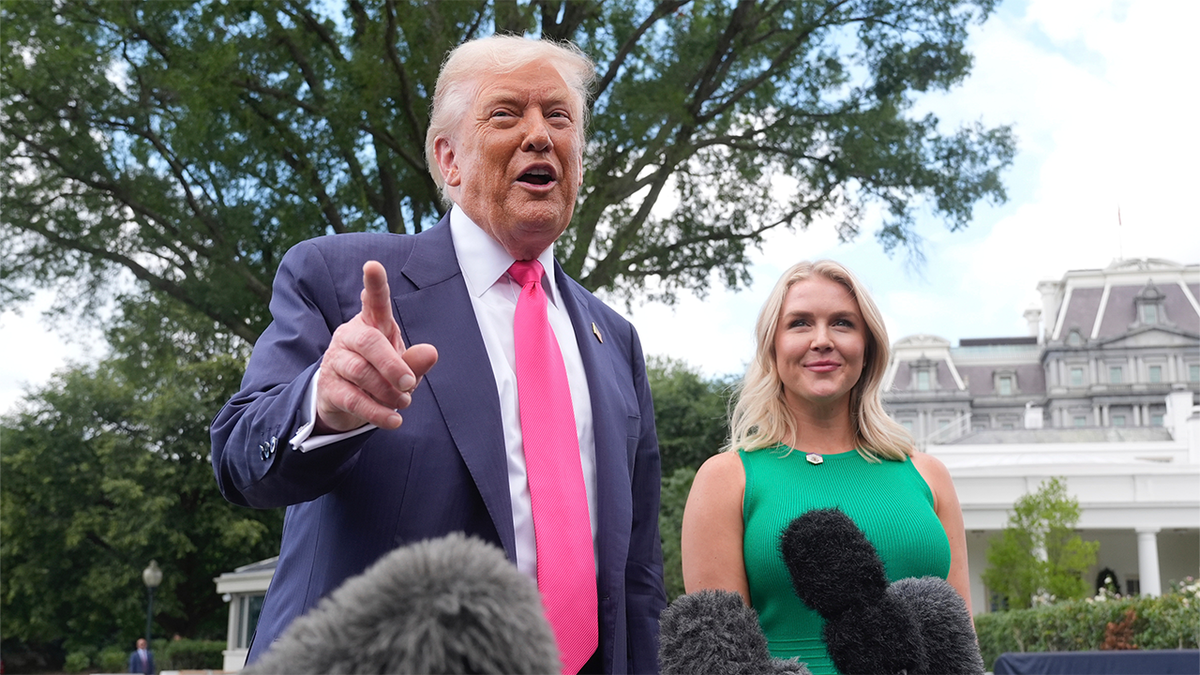
The National Security Council said journalists are prohibited from accessing Room 140, also known as “Upper Press.” (AP)
The White House Correspondents’ Association quickly condemned the restriction, warning it would limit press accountability and undermine transparency. CBS News correspondent and WHCA president Weijia Jiang said, “We strongly oppose any attempt to block reporters from areas historically open for newsgathering, including the press secretary’s office.”
White House Communications Director Steven Cheung defended the decision, claiming several reporters were caught secretly recording, entering restricted zones, and eavesdropping on private meetings. “Some have ambushed Cabinet members outside private offices,” Cheung said on X. “This behavior crossed every line of professionalism.”
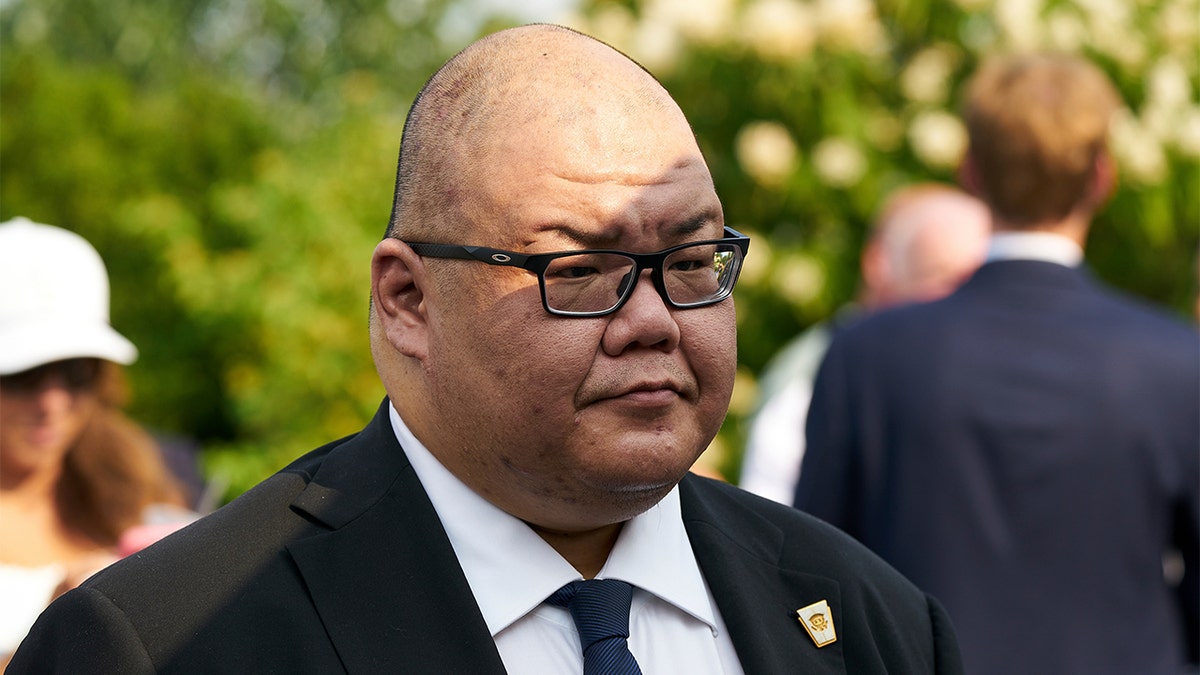
White House Communications Director Steven Cheung purported that reporters had been caught secretly recording video and audio in offices and wandering into restricted areas. (Bing Guan/Bloomberg via Getty Images)
The move mirrors a similar policy introduced by the Clinton administration in 1993, which was later reversed after public backlash. It also follows the Pentagon’s controversial new media policy, which threatens to revoke press credentials if reporters pursue information the department hasn’t yet released — even if it’s not classified.
Critics argue the White House’s decision marks another step toward limiting transparency, raising questions about how far government agencies will go to control the narrative in an already tense media landscape.