In a bold and controversial statement that’s sending shockwaves through the comedy world, British comedian Stewart Lee has announced a complete boycott of US performances during Donald Trump’s presidency. The acclaimed stand-up artist, known for his razor-sharp political satire, cited deep concerns over potential censorship and arrest for his jokes. “I’d worry about them going through my jokes and ending up spending two days locked up without my heart medication,” Lee confessed in a recent interview on Krishnan Guru-Murthy’s podcast,
Ways to Change the World. This isn’t just idle chatter—it’s a stark refusal to tour America, turning down offers like a week-long gig in Chicago. As the debate rages online, fans and critics alike are asking: Is this an overblown fear-mongering tactic from a comedian who’s no stranger to provocation, or a savvy, principled stand against a perceived slide into authoritarianism? Let’s dive into the details of this globally controversial interview and unpack the implications for comedy, free speech, and international relations.
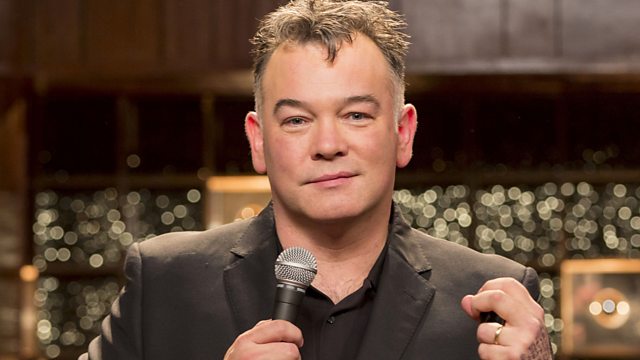
Who Is Stewart Lee, and Why Does His Boycott Matter?
For the uninitiated, Stewart Lee is more than just a comedian—he’s a cultural force. Born in 1968 in Shropshire, England, Lee has built a career on deconstructing comedy itself, blending deadpan delivery with looping, self-referential rants that expose the absurdities of politics and society. From his early days in the duo Lee and Herring to co-creating the infamous musical
Jerry Springer: The Opera—which sparked protests from Christian groups—he’s pushed boundaries relentlessly. His BBC series Stewart Lee’s Comedy Vehicle earned him British Comedy Awards, and critics like The Times have hailed him as the “comedian’s comedian” and one of the best English-language stand-ups alive.
Lee’s material often skewers right-wing figures with surgical precision. In his 2018 special Content Provider
, he wove in biting Trump references, joking about the unpredictability of the political landscape: “Because I’ve got a Trump bit, I have to check at half time every night that he’s not been assassinated or fallen into a barrel of porn actresses or something.” It’s classic Lee—dark, absurd, and laced with meta-commentary on how current events derail routines. Now, with Trump back in the White House as of January 2025, Lee argues that such humor isn’t just risky; it’s untenable. His boycott taps into broader anxieties about free speech under the second Trump administration, where policies on immigration, media scrutiny, and dissent have already drawn fire from artists and activists.
This move isn’t isolated. Lee’s decision echoes a growing exodus of international creatives wary of performing in the US. From musicians canceling tours to authors pulling events, the chill on expression is palpable. But does Lee’s stance hold water, or is it performative outrage from a performer who’s thrived on controversy?
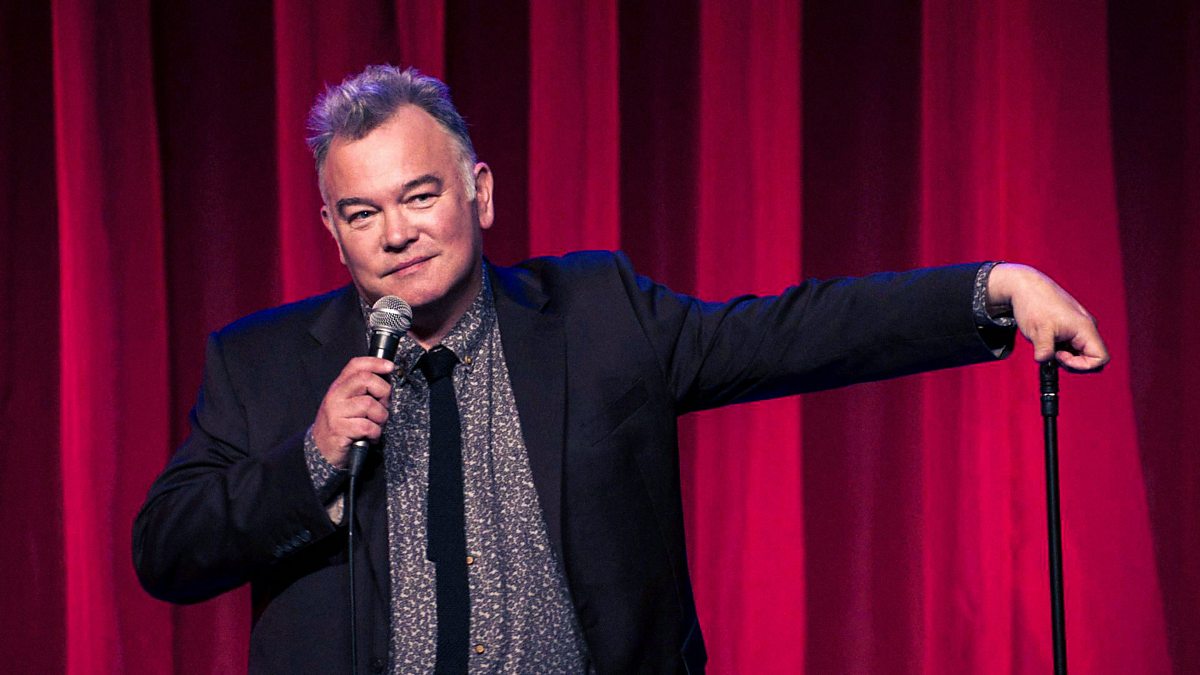
The Interview That Sparked Global Outrage: Unpacking Lee’s Fears
The interview, aired in early May 2025 on Channel 4’s podcast, has gone viral, amassing millions of views and igniting heated discussions on platforms like Reddit and X (formerly Twitter). Lee didn’t mince words: “I wouldn’t work in the States at the moment.” He elaborated on his dread of customs officials rifling through his notebooks, potentially deeming satirical jabs at Trump as threats. The heart medication line— a nod to his real health issues—adds a personal, visceral edge, painting a picture of arbitrary detention that’s more dystopian novel than comedy tour anecdote.
Lee ties his boycott to larger systemic worries. “Trump is doing deals for resources with dictators. It absolutely is [fascism], and we have to call it that,” he said, invoking 1930s parallels and urging swift action against rising authoritarianism. He pointed to reports of wrongful deportations—”People are being deported wrongly from the States and sent to an El Salvador jail without due process”—as evidence of a weaponized system that could ensnare even a mild-mannered Brit like himself. In the same breath, Lee lamented the rise of “$60m Netflix comedians of hate,” contrasting his thoughtful satire with what he sees as populist bile from figures like Ricky Gervais or Dave Chappelle.
The backlash was swift and fierce. Right-leaning outlets like GB News branded Lee a “hypocrite,” noting the UK’s own crackdowns on “hate speech” under laws that have jailed thousands for online posts. Breitbart dismissed him as “practically unknown in the US,” accusing him of ignoring British free speech erosion while demonizing America. On Reddit’s r/Standup, users split: some called it “overblowing it,” citing no comedian arrests yet; others worried it’s prescient, referencing detained protesters and questioned journalists. X posts ranged from “We do not care buddy” to calls for boycotting Lee in retaliation. Even supporters admitted his style—dense with British references—might not translate stateside anyway.
Yet, Lee’s fans defend it as principled. One Redditor noted, “Freedom of speech is not secure in the US right now,” pointing to visa revocations for pro-Palestine students and FBI probes into “enemies of the state.” In a polarized 2025, where Trump’s administration has ramped up border enforcement and media monitoring, Lee’s fears aren’t baseless. Recent ICE raids on Navajo communities and birthright citizenship challenges underscore vulnerabilities for non-citizens, even performers.
Overreaction or Smart Move? A Balanced Take on the Boycott Debate
So, is this overreaction? Critics argue yes—hyperbolic fear from an elite comic safe in the UK, where his own government arrests people for “being English” in jest (as in his older routines). No US comedian has been jailed for Trump jokes post-2025 inauguration; late-night hosts like Jon Stewart continue skewering the president nightly without cuffs. Lee’s relative obscurity in America (he’s toured sparingly, like a 2005 Aspen set) means his boycott impacts few tickets. It smacks of virtue-signaling, amplifying his
Guardian columns into a self-fulfilling echo chamber.

But let’s counter that: Smart move, full stop. Comedy thrives on risk, but self-preservation isn’t cowardice—it’s strategy. Lee’s boycott spotlights eroding norms before they calcify. By refusing to “normalize” a regime he views as fascist, he joins artists like Han Kang (who pulled from US literary fests) in cultural resistance. Practically, it protects his health and brand; a detained Lee makes for poor headlines. Logically, his concerns align with Amnesty International reports on US due process lapses. In an era of algorithmic outrage, this positions him as a truth-teller, boosting his UK tours (like the ongoing
Stewart Lee vs the Man-Wulf, running through 2026 with a Royal Festival Hall stint).
Ultimately, it’s both: an overreaction in immediacy, a smart move in foresight. Lee’s not predicting gulags; he’s warning of incremental chills, much like his routines warn of Brexit’s absurdities. As he quipped in
Content Provider, “I’m coming to hate the character of Stewart Lee”—a meta jab at his own persona. This boycott? It’s that character at peak form: provocative, protective, and profoundly uncomfortable.
The Bigger Picture: Comedy in a Fractured World
Stewart Lee’s US boycott isn’t just personal—it’s a bellwether for global comedy. With Trump’s term ramping up trade wars and cultural clashes, expect more cross-border hesitancy. Lee’s interview has already inspired think pieces on satire’s limits, from
The Poke calling it a “chilling indicator” of our times to HuffPost framing it as dissent against “targeting of dissenters.” For fans, it’s a reminder: humor isn’t neutral. It punches up, or it folds.
As the dust settles, one thing’s clear—Lee’s stand has everyone talking. Whether you see it as alarmist or astute, it underscores comedy’s power to provoke. In Trump’s America, where jokes about assassination barrels (porn-filled or otherwise) feel perilously close to reality, perhaps boycotting isn’t flight—it’s fight. What do you think? Overreaction, or the punchline we need?