Trump Economic Messaging Faces New Strain as Transportation Secretary Acknowledges Limits on Rising Consumer Costs

WASHINGTON — The Trump administration’s efforts to present itself as focused on reducing everyday costs for American families came under renewed scrutiny this week after Transportation Secretary Sean Duffy publicly acknowledged that the federal government has no concrete plan to curb rising food prices at U.S. airports.
The remarks, made during a press briefing and circulated widely on social media, drew attention because they appeared to contradict one of President Donald J. Trump’s central campaign themes: lowering costs for consumers in an era of persistent inflation and stagnant wage gains.
Asked whether the administration planned to address increasing food prices at airports — a frequent complaint among travelers — Mr. Duffy responded that the issue was largely driven by market constraints rather than federal policy. “They have people pretty tightly contained and there’s not a lot of options,” he said, adding that he had “no plan to reduce costs,” though he hoped to encourage healthier food choices for passengers.

The comments drew swift reactions across the political spectrum, with critics arguing that the admission underscored broader challenges facing the administration as it confronts an affordability crisis marked by rising prices, supply-chain disruptions and wage growth that has not kept pace with household expenses.
Economists note that the administration has faced headwinds of its own making, including tariffs and decreased labor availability, which some analysts say contributed to what they describe as a supply-driven price shock. “When employers’ costs rise due to tariffs or labor shortages, they raise prices,” said one economist interviewed in a recent analysis cited by commentators. “There is no additional money available to raise wages, and in supply-shock environments, there is little reason to believe wages will catch up.”
While the president has repeatedly insisted that he would “bring prices down,” economists caution that consumer prices in healthy economies tend to stabilize or increase gradually rather than decline. Some analysts argue that the administration’s promises set unrealistic expectations for voters who now face higher costs for groceries, rent, travel and essential goods.
Complicating the administration’s economic messaging, the president has also continued to claim he ended multiple international conflicts during his term — assertions that analysts and foreign policy specialists say do not align with conditions on the ground. Trump highlighted eight conflicts he said had been resolved, including tensions between Cambodia and Thailand, Congo and Rwanda, and Israel and Hamas. But several of these incidents were not formal wars, and violence in those regions has persisted, according to international observers.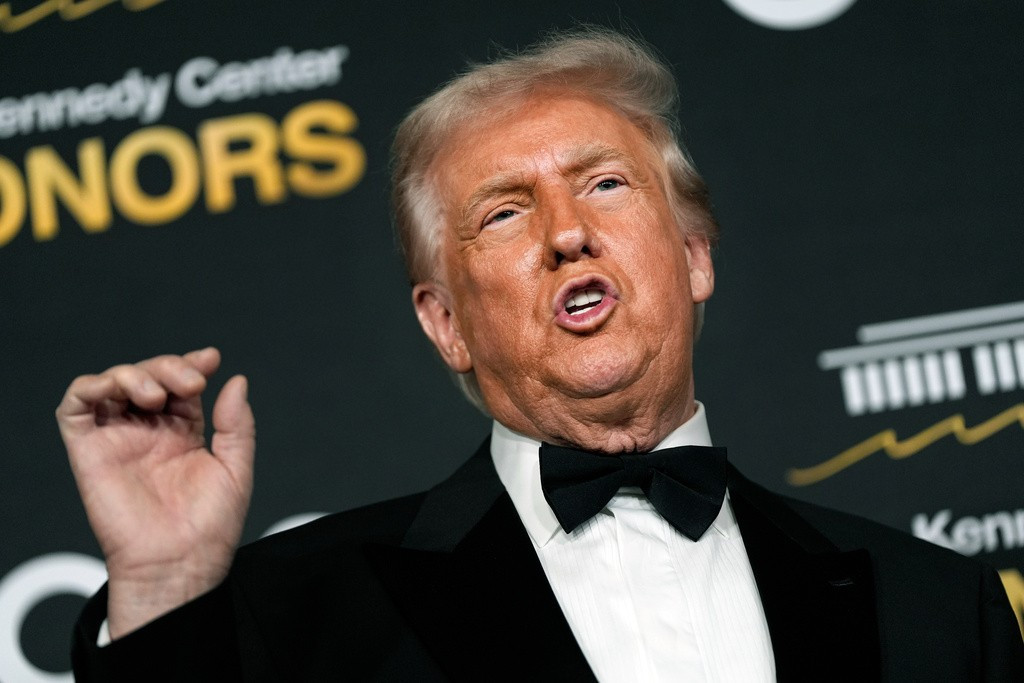
The White House has not responded directly to the criticism. Advisers maintain that the president’s policies have strengthened American households and contributed to long-term economic stabilization. Supporters argue that officials must balance market dynamics with policy constraints, particularly in sectors such as air travel where prices are influenced by private vendors and local authorities rather than federal agencies.
Still, Mr. Duffy’s remarks add to a series of moments in which senior administration figures have appeared to temper or contradict the president’s rhetoric on affordability, peace and economic recovery.
With polls consistently showing that concerns over rising costs remain among voters’ top priorities, the administration may face increasing pressure to reconcile its campaign commitments with public statements from its own officials.