Jack Smith’s Final Report Lays Bare Evidence of Trump’s Election Subversion, Setting Stage for Historical Reckoning
WASHINGTON — In a searing 165-page filing unsealed on Oct. 2, 2024, special counsel Jack Smith outlined a meticulous case against Donald J. Trump for his efforts to overturn the 2020 election, framing the former president’s actions as private criminal conduct rather than official duties. The document, released weeks before the 2024 election, detailed schemes involving fake electors, pressure on state officials, and incitement of the Jan. 6 Capitol riot, drawing on testimony from Trump’s own inner circle.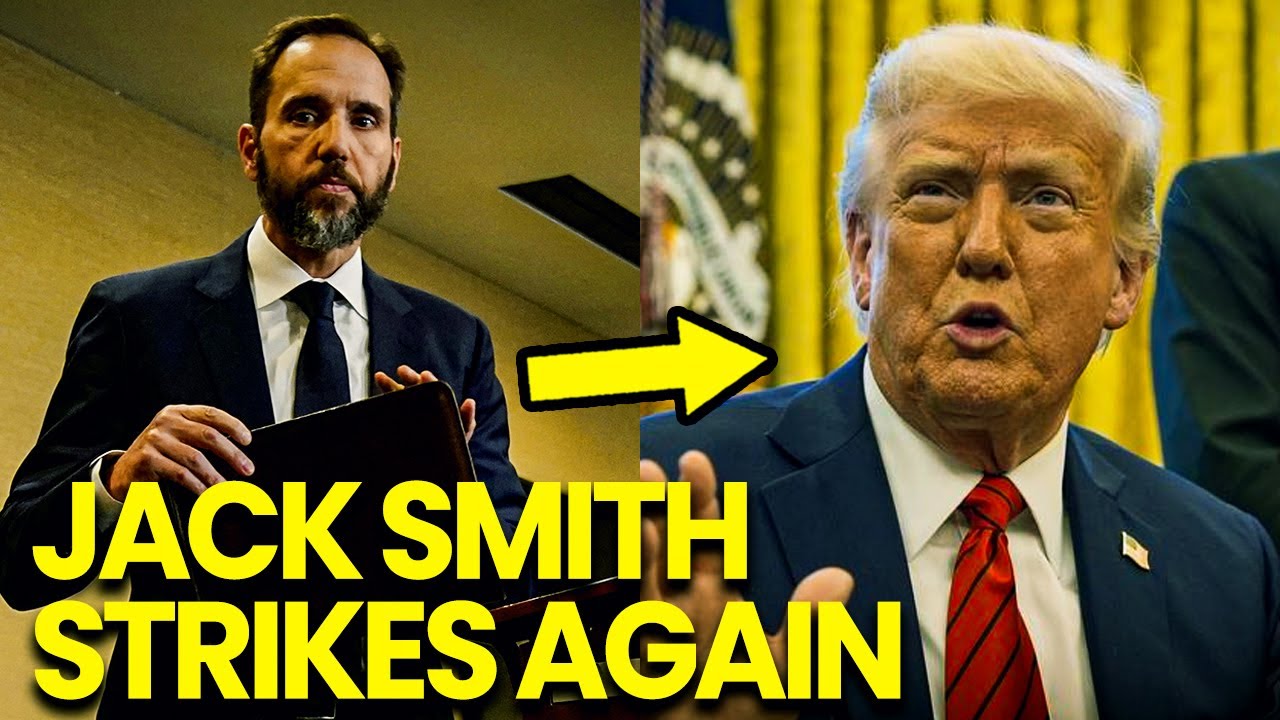
Smith’s submission was compelled by a Supreme Court ruling granting presidents broad immunity for official acts, prompting the special counsel to meticulously distinguish Trump’s behavior as that of a “desperate candidate” rather than a sitting leader. Key evidence included contemporaneous notes from Vice President Mike Pence, who repeatedly warned Trump that rejecting electoral votes was unconstitutional, and accounts from campaign lawyers debunking fraud claims Trump publicly amplified.
The filing revealed Trump’s direct involvement in organizing fraudulent elector certificates in seven swing states, complete with fake ceremonies and documents submitted to Congress. Smith argued this was not legitimate oversight but a coordinated fraud, supported by email chains, conference calls, and testimony showing Trump was briefed and approved the plan despite warnings of its illegality.
Trump’s legal team decried the release as “election interference,” arguing it prejudiced potential jurors and violated due process. Judge Tanya S. Chutkan, overseeing the case, ordered nearly 2,000 pages of redacted evidence made public, including FBI interviews and call logs, rejecting delays sought by Trump’s lawyers amid his presidential campaign.
The evidence painted a pattern of escalation: after legal challenges failed, Trump pressured state officials like Georgia’s Brad Raffensperger to “find” votes, then attempted to install a loyalist at the Justice Department to declare the election corrupt. When thwarted by mass resignation threats from DOJ officials, Trump turned to Pence, pressuring him to subvert the certification – culminating in the Jan. 6 speech that incited a mob chanting “Hang Mike Pence.”
Smith’s report concluded the evidence would likely secure convictions for conspiring to defraud the U.S., disenfranchise voters, and obstruct an official proceeding. While DOJ policy bars prosecuting a sitting president – a shield Trump regained by winning the 2024 election – the filing serves as a permanent public record, influencing historical judgment and potential future state-level prosecutions.
Critics, including legal scholars, hailed the release as a bulwark for democracy, exposing how close Trump came to succeeding in subverting the electoral process. Supporters dismissed it as a partisan “witch hunt,” but the documents’ detail – from Pence’s notes to insider testimony – undermines claims of good-faith belief in election fraud.
As Trump begins his second term, Smith’s work provides a roadmap for accountability once he leaves office, while highlighting vulnerabilities in the system that allowed a president to delay justice through electoral victory. The case, now paused, underscores ongoing debates over presidential immunity and the resilience of American institutions.