Georgia Election Procedures Reexamined as New Admissions Rekindle 2020 Debate
By a Staff Correspondent
Washington — Nearly five years after the 2020 presidential election, the debate over how votes were counted in Georgia has reemerged, fueled by newly highlighted admissions from local election officials that certain procedures were not followed as required by state rules. The developments are reigniting partisan arguments over election integrity, even as state officials insist the outcome of the race was not affected.
At the center of the renewed scrutiny is Fulton County, Georgia’s most populous county and a Democratic stronghold that helped deliver the state to Joseph R. Biden Jr. by a margin of fewer than 12,000 votes. Recent testimony and investigative summaries have confirmed that election workers in dozens of early-voting precincts failed to properly sign tabulation tapes — a procedural requirement under Georgia election law.
“We do not dispute that the tapes were not signed,” a Fulton County election official said during a state election board hearing, acknowledging that the lapse constituted a violation of established rules. County officials emphasized that the failures were administrative in nature and said new leadership, additional training and updated procedures have since been implemented to prevent a recurrence.
Still, critics argue that the admissions undermine years of assurances that the 2020 election was conducted entirely “by the book.” They point to findings that 36 of 37 early-voting locations in Fulton County did not produce signed closing tabulation tapes, which collectively covered roughly 315,000 votes. Investigators also found that officials at more than 30 polling sites failed to properly verify “zero tapes,” which are intended to demonstrate that voting machines begin each day with no votes recorded.
“These signed tapes are the sole legal certification that reported totals are authentic,” said one election integrity advocate who obtained election records through an open records request. Without signed zero tapes, he argued, it is impossible to independently verify whether machines were properly cleared before voting began.
Georgia election law requires that ballot scanners print and sign documentation both at the start and end of each voting day. When those steps are skipped, experts say, the chain of custody and certification process is weakened — though not necessarily invalidated under current interpretations of state law.
State officials have maintained that while the procedural errors were serious, they did not amount to evidence of manipulated vote totals. Georgia’s Republican Secretary of State, Brad Raffensperger, has repeatedly stated that multiple audits, recounts and investigations confirmed President Biden’s victory in the state.
The renewed focus on Fulton County has also revived attention to former President Donald J. Trump’s actions following his defeat. In January 2021, Mr. Trump made a now-infamous phone call to Mr. Raffensperger, urging him to “find” enough votes to overturn the result. That call became a cornerstone of later criminal investigations into alleged election interference, cases that Mr. Trump and his allies have long denounced as politically motivated.
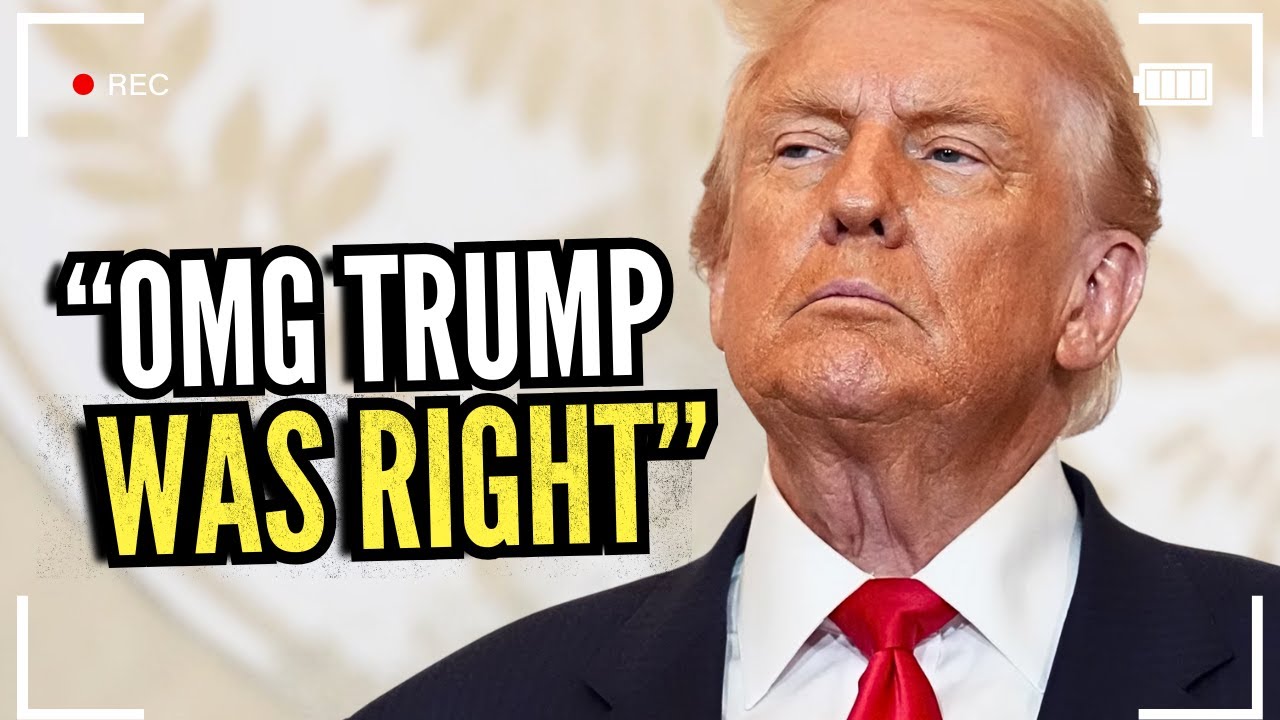
Supporters of the former president now argue that the latest admissions validate his concerns. They note that Fulton County’s failure to follow documentation rules was known internally but not publicly emphasized during the intense post-election period, when claims of widespread fraud were dismissed as baseless.
Democrats and election officials counter that conflating procedural violations with fraud is misleading. “A rules violation is not the same thing as changing votes,” said one former state election administrator. “The question is whether there is evidence that the outcome was affected, and repeated reviews have found none.”
Indeed, courts across the country rejected dozens of lawsuits challenging the 2020 election results, citing a lack of credible evidence. Even so, the Georgia revelations have given new momentum to activists calling for retroactive accountability measures, including formal acknowledgments of rule violations and potential sanctions against local election officials.
Some have gone further, urging the state election board to place an official notation — an “asterisk,” as one advocate put it — on Fulton County’s 2020 results, not to overturn the election, but to formally record that procedures were not followed.
The episode also highlights the enduring political fallout from the 2020 election. Rudolph W. Giuliani, Mr. Trump’s former lawyer, was ordered in 2023 to pay $148 million in damages to two Georgia election workers after a jury found he defamed them by falsely accusing them of ballot tampering. The case underscored how unsubstantiated claims can have severe personal consequences, even as broader questions about election administration persist.
For now, state and county officials say their focus is on future elections, not relitigating past ones. Fulton County has revised its standard operating procedures, expanded poll worker training and instituted additional checks to ensure compliance with state law.
Yet the renewed controversy suggests that the legacy of the 2020 election remains unresolved in the public mind. As new details emerge — even about technical violations — they continue to shape a national debate over trust, transparency and the fragile confidence that underpins American democracy.