U.S. News
Outcry in St. Paul After Chaotic ICE Operation Sparks National Debate Over Enforcement Tactics
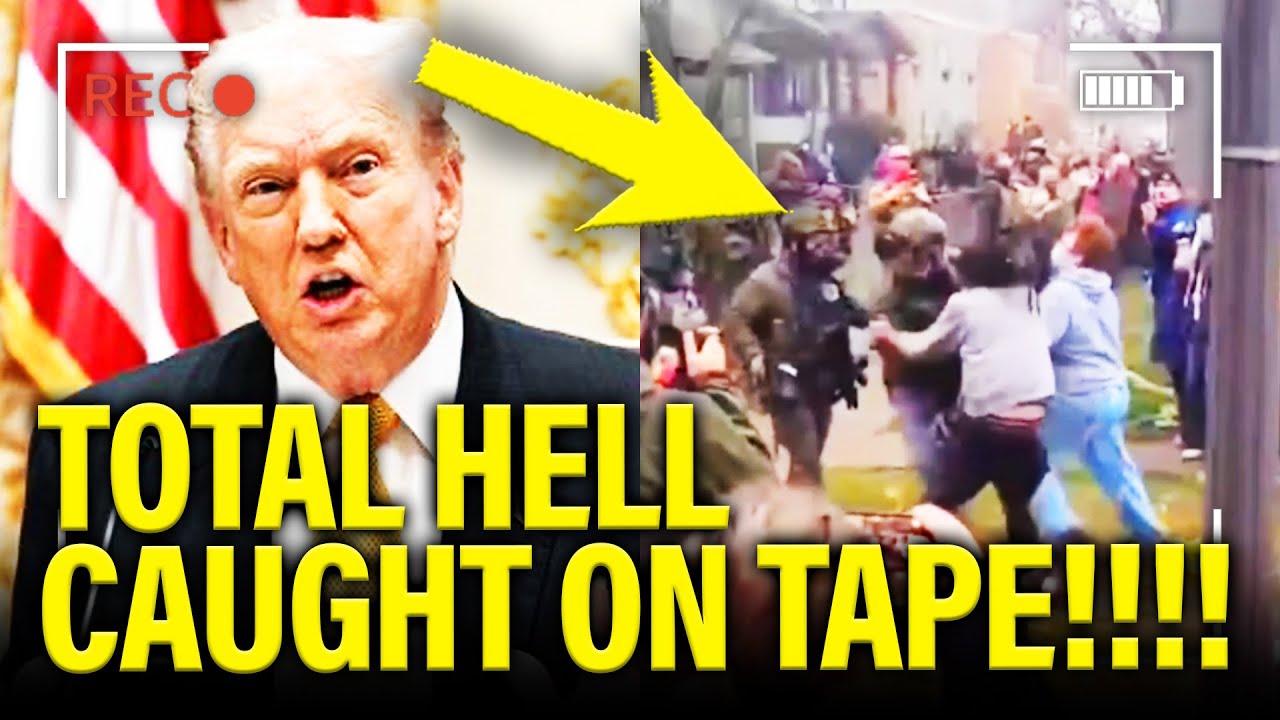
ST. PAUL — A large-scale Immigration and Customs Enforcement operation in St. Paul on Thursday set off a wave of confusion, outrage, and political scrutiny after chaotic scenes — including officers deploying crowd-control chemicals near journalists and families being temporarily separated — circulated widely online. The footage, much of it recorded by bystanders and local advocacy groups, quickly spread across social media and prompted immediate calls for federal clarification about the scope, legality, and conduct of the operation.
What began as a targeted enforcement action rapidly escalated into a citywide controversy after several local reporters said they were hit by a chemical irritant while attempting to document arrests outside a South St. Paul apartment complex. At least three news organizations have filed formal complaints, and the Minnesota Society of Professional Journalists urged federal officials to “provide immediate transparency about the use of force and crowd-management tactics.”
ICE officials said in a statement that agents were pursuing individuals with “active removal orders and prior criminal convictions,” and that officers “did not intentionally target the press.” A spokesperson added that the agency “would review all use-of-force allegations,” though officials declined to comment further on tactics used during the operation.
Footage Sparks Conflicting Accounts and Emotional Testimony
Videos captured by witnesses show several families being separated as officers moved rapidly through the building, detaining individuals in hallways and common areas. Advocacy groups described the scenes as “chaotic” and “deeply traumatic,” saying children were left without clear information about where their relatives were being taken. ICE disputed that characterization, saying minors were “transferred to known guardians or placed in local care consistent with established protocols.”
Still, the images — some showing crying children held by neighbors or friends — have fueled debate over whether federal agents coordinated effectively with local officials and social services. St. Paul Mayor Melvin Carter said the city had received “no advance notice” of the timing or scale of the operation, adding that municipal agencies “were left scrambling to ensure the safety of affected families.”
One video that drew particular attention appeared to show a chain-link holding area inside a regional processing facility. Immigrant-rights groups described it as “a cage,” invoking memories of the detention practices that drew international scrutiny during previous administrations. Federal officials pushed back, saying the image showed a “temporary containment partition” used for processing, not long-term detention.
Political Reaction Across the Spectrum
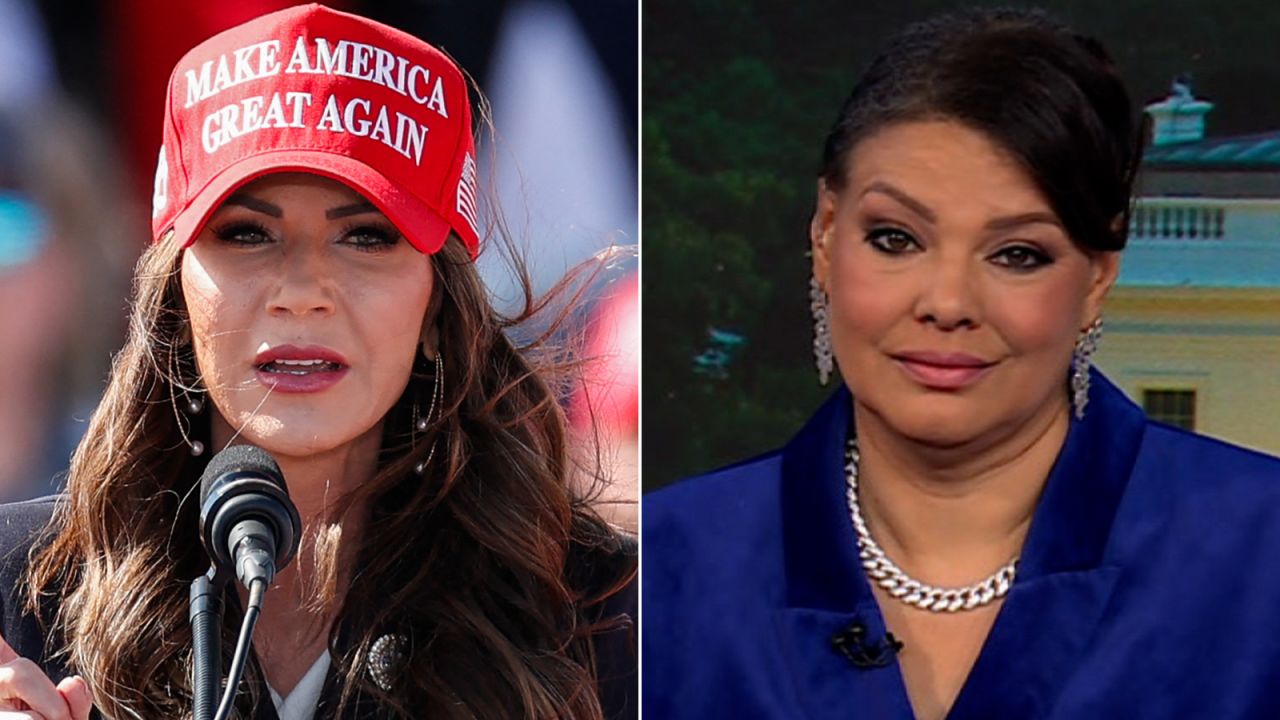
Within hours, the episode had become a national flashpoint. Democratic lawmakers condemned what they described as “reckless escalation,” calling for a full investigation into the conduct of the operation and the use of force against journalists. Representative Ilhan Omar of Minnesota demanded an emergency hearing, saying the scenes “raised profound questions about federal enforcement priorities and the protection of civil liberties.”
Republican leaders defended the need for “robust immigration enforcement,” though some urged federal agencies to release more detailed explanations to avoid misinformation. Senator Lisa Murkowski of Alaska, one of the few Republicans to comment on the footage, said the public “deserves clarity on what happened, why, and whether procedures were followed.”
Immigration analysts say the rapid political polarization reflects long-standing divisions over how aggressively federal authorities should conduct raids in residential communities. “Any time you see heavy enforcement in family settings, it triggers an immediate emotional response,” said Dr. Alison Mercado, a scholar of immigration law at the University of Chicago. “The legal questions around warrants, access, and due process will become central as more information emerges.”
A City Reckons With the Aftermath
In St. Paul, community leaders spent the day organizing legal-aid clinics and emergency hotlines as families attempted to track the location of detained relatives. Schools and churches in affected neighborhoods reported spikes in absenteeism and calls from parents afraid to leave home.
“We’ve seen fear ripple through this community before, but never with such speed,” said Pastor Jonathan Rivera, whose congregation includes dozens of mixed-status families. “People are terrified and unsure what to believe.”
Local police emphasized they played no role in the federal operation and were not briefed on tactical decisions. The lack of coordination has emerged as a key point of criticism in the aftermath, especially as city officials work to dispel rumors circulating on social media about additional planned raids.
Federal Agencies Face Growing Demands for Transparency
Civil-liberties organizations, including the ACLU of Minnesota, are preparing public-records requests seeking information on warrants, operational planning, and internal communications. Legal experts say the most pressing questions involve the degree to which federal officers followed protocols regarding children, press access, and use-of-force guidelines.
ICE has promised a “full internal review,” but provided no timeline.
Meanwhile, the unverified videos continue to spread nationwide, fueling debate over the balance between border enforcement and community protections. Analysts warn that until federal agencies release comprehensive findings, the information vacuum will remain filled by speculation, partisan narratives, and raw emotional testimony from those who witnessed the events firsthand.
“This is the inevitable result of opaque enforcement practices,” said Mercado, the law scholar. “Without transparency, every unanswered question becomes a national flashpoint.”
For now, St. Paul remains at the center of a fast-moving, politically volatile debate — one likely to shape national discussions on immigration enforcement for months to come.