The 2026 FIFA World Cup, set to be hosted primarily in the United States alongside Canada and Mexico, is rapidly becoming one of the most politically charged sporting events in modern history. Growing calls for a European boycott are gaining traction amid escalating geopolitical tensions, controversial immigration policies, and increasing scrutiny over FIFA’s relationship with U.S. political leadership. What was once expected to be a celebration of global football unity is now at the center of a wider debate about sport, power, and international diplomacy.
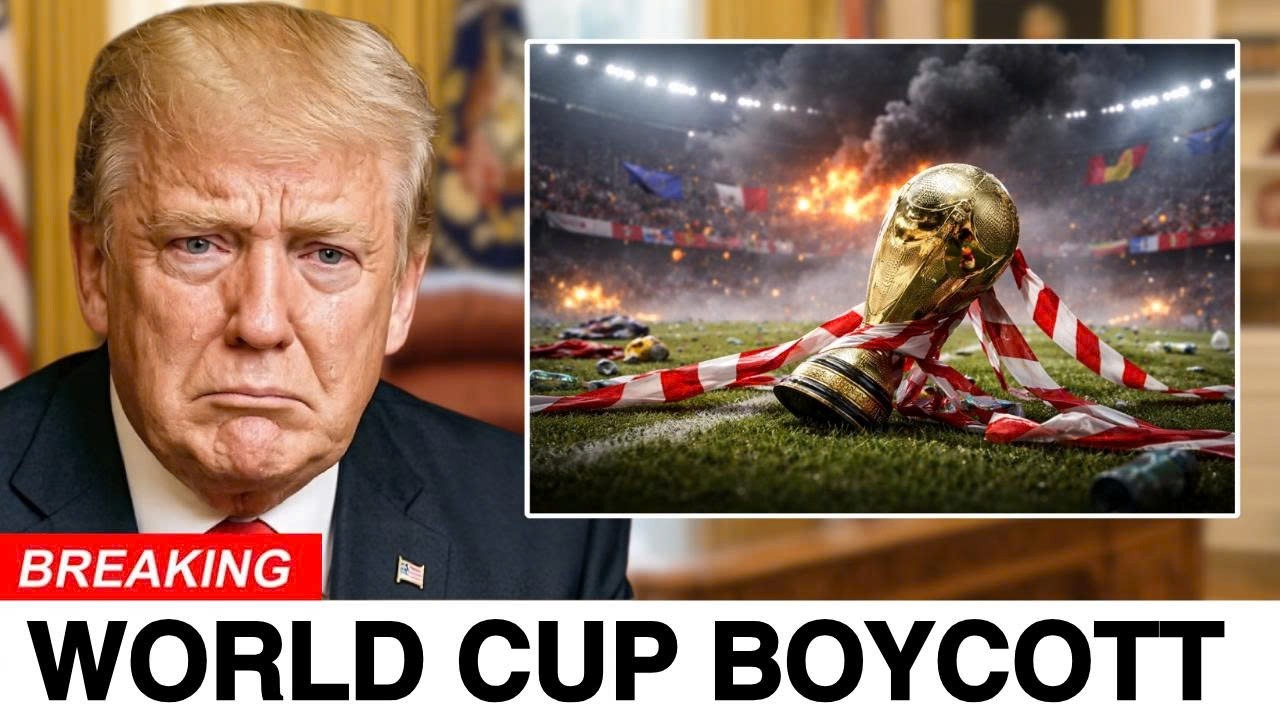
The boycott discussion intensified following reports of stricter U.S. visa rules, immigration enforcement concerns, and fears that fans and players from certain regions could face entry barriers. Advocacy groups and some European political figures argue that participation could unintentionally legitimize controversial domestic and foreign policy actions. At the same time, football associations across Europe remain cautious, balancing political pressure with the massive financial, sporting, and cultural importance of the World Cup.
Geopolitical tensions have further fueled the controversy, particularly surrounding threats of territorial expansion and aggressive foreign policy rhetoric. The situation involving Greenland — an autonomous Danish territory — has become a symbolic flashpoint in European political discourse. While no unified European government stance exists, public debate has intensified, with some lawmakers and activists framing World Cup participation as a moral and diplomatic decision rather than purely a sporting one.
FIFA’s perceived closeness to U.S. political leadership has also drawn criticism. High-profile meetings, symbolic awards, and public appearances have raised questions among human rights organizations and football governance watchdogs about the independence of global football institutions. Critics argue that the sport risks being used as a soft-power tool, while FIFA maintains that global tournaments must remain politically neutral and focused on sport.
Despite the controversy, a full boycott remains unlikely. The 2026 tournament is projected to generate billions in revenue and support hundreds of thousands of jobs. Broadcasters, sponsors, national federations, and host cities all have major financial stakes. Historical precedents, such as Olympic and World Cup boycotts during the Cold War era, suggest that athletes often bear the greatest cost, which continues to influence decision-making among football leaders today.
As the countdown to kickoff continues, the central question is shifting from whether political tension exists to how teams, players, and fans will respond. Some experts predict symbolic protests rather than full withdrawal, while others warn that public pressure could still reshape participation. Regardless of the outcome, World Cup 2026 is already shaping up to be more than a tournament — it may become a defining moment in the evolving relationship between global sport and global politics.