Did Canada Stop Potash Exports to the U.S.? The Truth Behind the Fertilizer Supply Scare
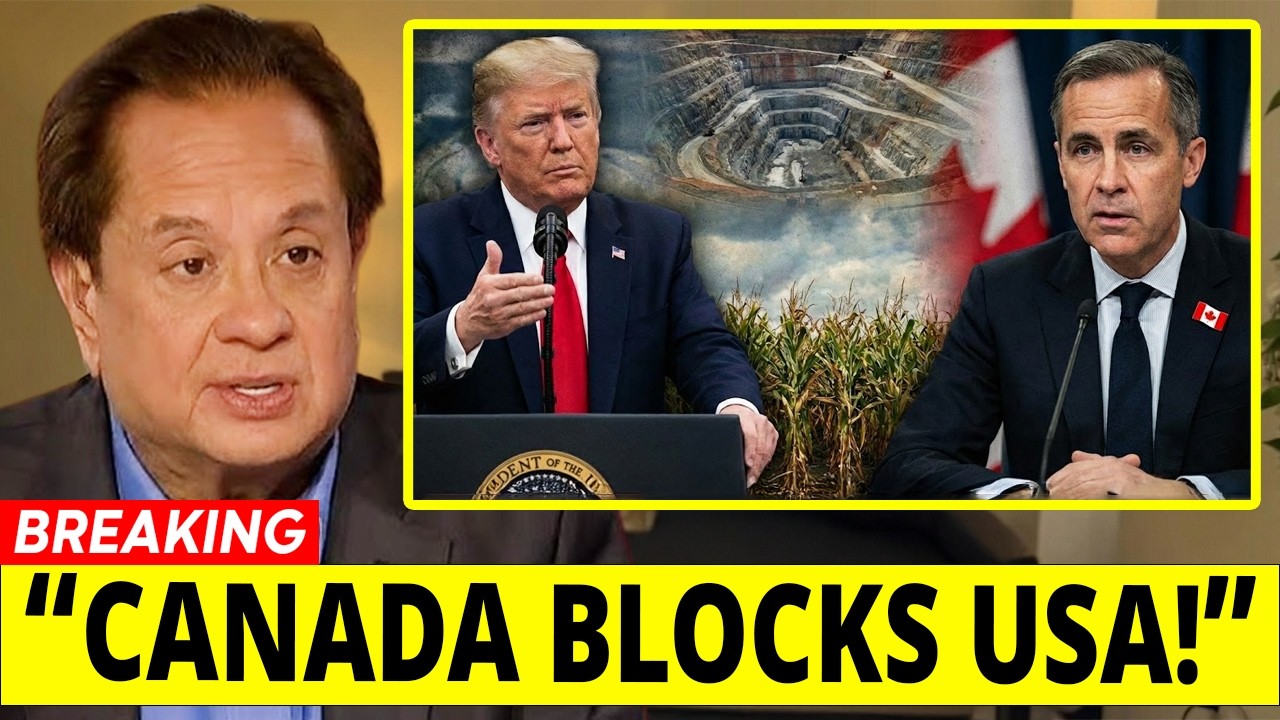
Recent viral videos and headlines have warned that Canada stopped potash exports to the United States — triggering fears of fertilizer shortages and severe consequences for American farmers. The claim spread quickly across social media, raising alarm about crop production and food prices.
However, the more accurate picture is less dramatic — and more complex.
Canada did not shut down potash exports to the U.S. But trade tensions and tariff threats exposed how dependent American agriculture is on Canadian fertilizer supply, and why even small policy shocks can rattle farm economics.
Canada Did Not Halt Potash Shipments
Despite alarming headlines, potash exports from Canada to the United States have continued. There has been no full export ban or supply cutoff.
The confusion comes from a period of trade tension and tariff threats that created market uncertainty and price pressure. Some commentary exaggerated those risks into claims of a total shutdown — which did not occur.
Supply flows remained active, but pricing risk and policy uncertainty increased volatility for buyers.

Why Potash Matters So Much to U.S. Farmers
Potash — a potassium-rich fertilizer — is one of the three essential nutrients used in modern crop production, alongside nitrogen and phosphorus. It plays a critical role in:
-
Crop yield and plant strength
-
Disease resistance
-
Water regulation
-
Root development
For major U.S. crops like corn and soybeans, potash is not optional. Reduced application can directly reduce yields.
That makes price stability just as important as supply availability.
U.S. Dependence on Canadian Potash
The United States relies heavily on imports for its potash needs, and Canada is by far the dominant supplier.
Industry estimates commonly show:
-
The U.S. imports the majority of its potash
-
Canada provides the largest share of those imports
-
Saskatchewan holds some of the world’s largest potash reserves
-
Rail infrastructure makes Canadian supply the most efficient source for the U.S. Midwest
Alternative suppliers exist globally, but shipping distance, logistics, and geopolitics make rapid replacement difficult.
What Actually Happened: Tariff Threats and Market Shock
According to the video’s narrative, the real issue was not an export ban but a proposed tariff escalation during a U.S.–Canada trade dispute period.
Key points described include:
-
Proposed broad tariffs on Canadian goods
-
Fertilizer industry groups pushing for exemptions
-
A reduced tariff scenario being discussed for some potash categories
-
Market uncertainty driving price concerns
-
Tariff measures later being suspended
Even when tariffs are not fully implemented, the threat alone can affect pricing, contracts, and supplier behavior.
Why Even a 10% Cost Increase Hurts
Farming often operates on tight margins. A modest percentage increase in fertilizer cost can translate into large dollar impacts at scale.
For example:
-
Large farms may fertilize thousands of acres
-
Potash is a major input cost
-
A single-digit percentage increase can mean tens of thousands in added expense
-
Input cost spikes may force reduced application — lowering yields
That’s why farmers react strongly not just to shortages, but to policy uncertainty.
Long-Term Risk: Supply Chain Vulnerability
The bigger takeaway is structural vulnerability. Heavy reliance on a single foreign supplier — even a friendly trade partner — creates exposure to:
-
Trade disputes
-
Tariff policy swings
-
Transportation disruptions
-
Geopolitical retaliation
In response, U.S. policy discussions have increasingly treated potash as a strategic mineral, encouraging:
-
Domestic exploration
-
Faster mine permitting
-
Investment incentives
-
Efficiency technologies in fertilizer use
But new mining capacity takes many years to develop.
The Bottom Line
Canada did not stop potash exports to the United States. Viral claims suggesting a sudden shutdown are misleading.
What did happen was a period of tariff threats and trade tension that highlighted how exposed American agriculture is to fertilizer supply risk. Even near-miss policy moves can shake markets and farm planning.
For farmers, agribusiness, and food consumers alike, the lesson is clear: fertilizer supply chains are stable — but not invulnerable.