CANADA JUST CUT AMERICA OUT — AND THE STRATEGIC SHIFT IS BIGGER THAN IT LOOKS
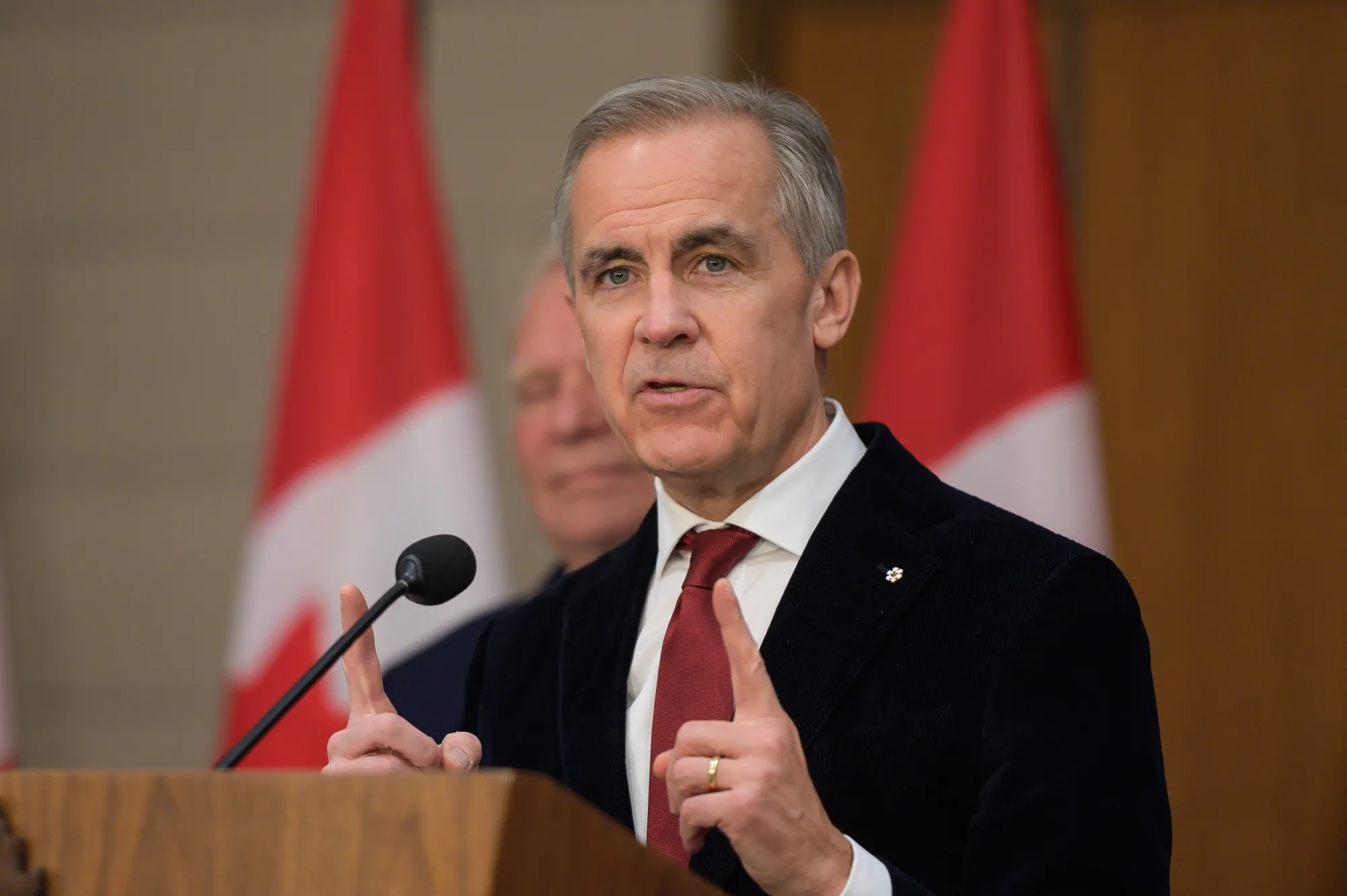
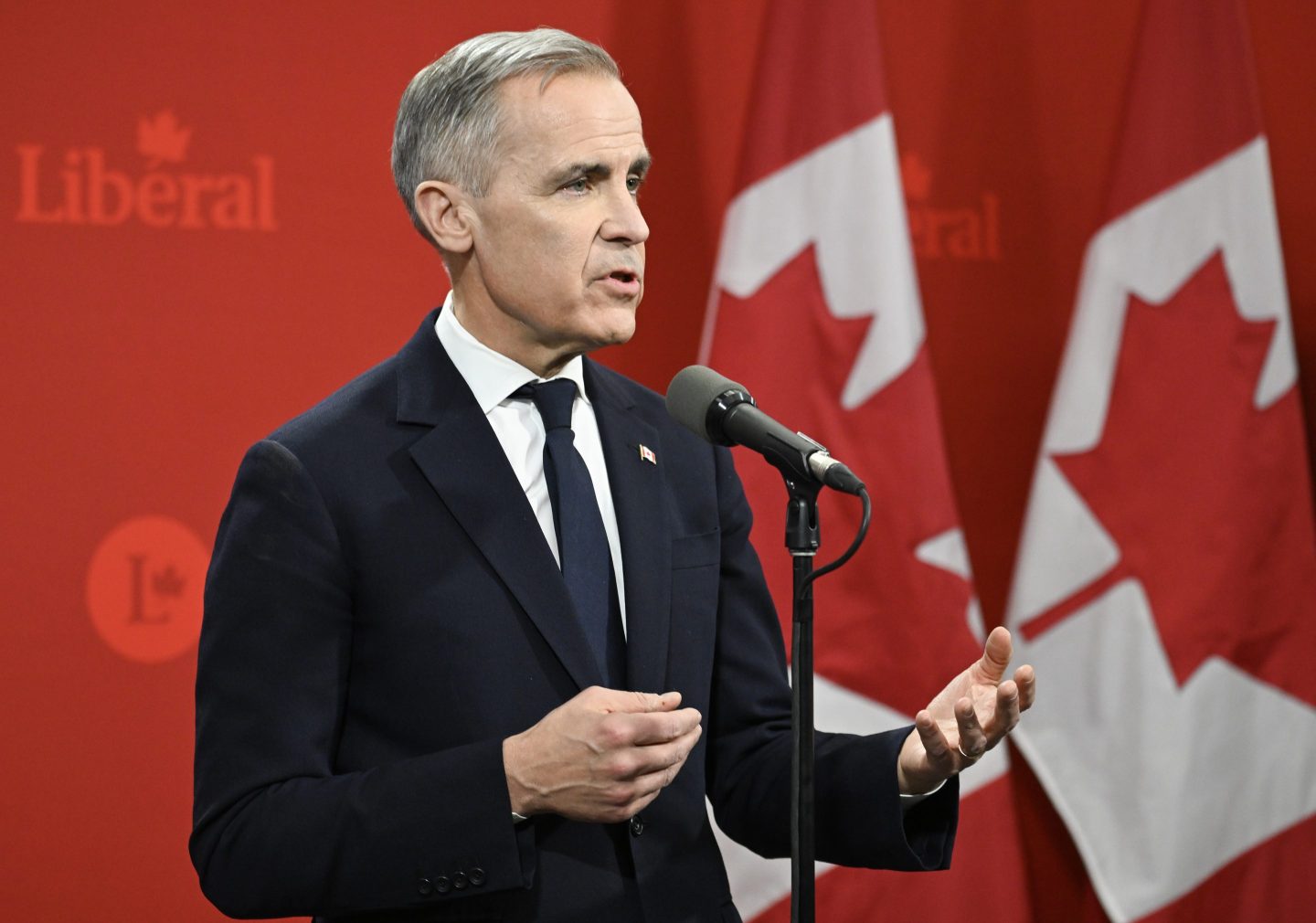
Canada has quietly taken a step that signals a major realignment in global power politics. Without dramatic speeches or public confrontation, Ottawa has signed a comprehensive military cooperation agreement with South Korea, covering classified intelligence sharing, defense industrial security, joint production frameworks, and long-term strategic coordination. The timing is not accidental. It comes weeks after Prime Minister Mark Carney urged middle powers at Davos to resist economic coercion. This was not symbolism. It was repositioning.
For decades, Canada’s economic model rested on deep integration with the United States, with nearly 70 percent of exports flowing south. That dependency created efficiency—but also leverage. When tariffs became political tools and trade turned unpredictable, Ottawa began recalculating its exposure. The result is visible in the data. In March 2025 alone, Canadian exports to non-U.S. markets surged nearly 25 percent, one of the largest monthly jumps on record, while exports to the United States dropped sharply. This was not market noise. It was strategic diversification.
The defense dimension makes the shift impossible to ignore. South Korean shipbuilders are now competing to supply Canada with up to 12 next-generation submarines—contracts worth billions of dollars. German firms are also in contention. American defense contractors, once the default option, are notably absent from the center of these talks. At the same time, Ottawa is expanding domestic defense manufacturing and committing to higher military spending tied to local supply chains. In plain terms, Canada is reducing vulnerability while increasing autonomy.
This realignment extends far beyond one agreement. Canada is deepening industrial cooperation with Germany, expanding investment channels with India, building technology partnerships with Australia and Japan, and reopening selective trade pathways with China. Across Europe and the Indo-Pacific, new bridges are being built—and the United States is no longer automatically leading the conversation. Analysts describe this as a “purilateral” strategy: a web of selective, resilient partnerships designed to distribute risk rather than concentrate dependence.
Crucially, this is not an anti-American pivot. It is a response to instability. Carney has argued that the traditional U.S.-led trading system is fragmenting under the pressure of politicized tariffs and transactional alliances. When trust erodes in geopolitics, diversification becomes a rational defense mechanism. The Trump-era use of tariffs against allies accelerated this logic, turning economic interdependence from a safeguard into a potential liability.

The deeper implication is global. Middle powers watch each other closely. If Canada—one of America’s most integrated allies—can successfully rebalance without collapse, others will follow. Europe is already hedging. Asia-Pacific nations are strengthening regional supply chains. India and Australia are building technology frameworks that do not rely on Washington. This is not the collapse of alliances; it is the restructuring of power. And as Canada’s quiet realignment shows, the most consequential shifts often happen without headlines—until the pattern becomes impossible to ignore.