A World Cup at the Crossroads of Politics and Power
When FIFA awarded the 2026 World Cup to the United States, Canada and Mexico in 2018, the decision was framed as a celebration of continental unity. The joint bid defeated Morocco by a wide margin — 134 votes to 65 — and promised something unprecedented in the history of the tournament: 48 teams, 104 matches and 16 host cities spanning North America. It was to be a logistical triumph and a symbolic one, a demonstration that three nations could collaborate to stage the largest sporting event on earth.
Eight years later, the tournament is no longer just a sporting spectacle. It has become a referendum on politics, borders and the meaning of welcome.
The scale remains breathtaking. The opening match is scheduled for June 11, 2026, at Estadio Azteca in Mexico City, a stadium that has hosted World Cup finals before and stands as one of football’s cathedrals. The final will be played on July 19 at MetLife Stadium in New Jersey. The United States is set to host 78 of the 104 matches, building on its experience from the 1994 tournament. Canada and Mexico will share the remainder, with cities like Toronto, Vancouver and Guadalajara preparing for a surge of global visitors.
On paper, it is a meticulously organized celebration. In practice, it is unfolding amid political friction that few anticipated in 2018.
In September 2025, President Donald Trump announced a new travel ban, citing national security concerns. Shortly thereafter, he publicly suggested that certain World Cup matches be moved out of American cities he deemed unsafe. The remarks, which named cities including Seattle, San Francisco and Boston, were framed as concerns about public safety. But they also injected partisan language into a tournament that had been marketed as politically neutral ground.
FIFA responded with diplomatic firmness. The authority to assign match venues, the organization said, rests with the governing body itself, not with national governments. Yet FIFA also acknowledged that tournament security depends on cooperation with host nations. The exchange underscored an uneasy truth: a World Cup may be global in spirit, but it cannot escape the sovereignty of the countries that stage it.
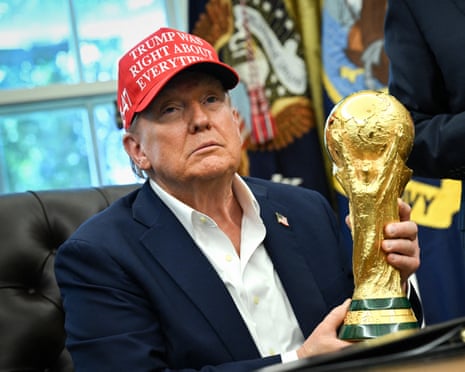
The tensions did not stop there. At the December 2025 draw ceremony in Washington, FIFA President Gianni Infantino presented President Trump with the organization’s inaugural “FIFA Peace Award,” a gesture some viewed as diplomatic courtesy and others as strategic accommodation. In Britain, a group of 23 members of Parliament signed a petition urging international sports bodies to reconsider awarding future tournaments to the United States, citing concerns about visa policies and inclusivity.
For international fans, the politics are not abstract. They are procedural.
The United States’ visa system has long been criticized for lengthy wait times and opaque decision-making. In response to mounting concern, the administration introduced the “FIFA Pass,” a priority visa appointment system for ticket holders. More than 450 additional consular staff were reportedly deployed worldwide. “A ticket is not a visa,” Secretary of State Marco Rubio said at the program’s launch, emphasizing that eligibility standards would remain unchanged.
For citizens of countries subject to travel bans, including Afghanistan, Iran and Haiti, the policy shift offered little relief. Iranian officials boycotted the draw ceremony, citing visa denials for players and staff. Human rights organizations argued that entry barriers risked undermining the tournament’s claim to universality.
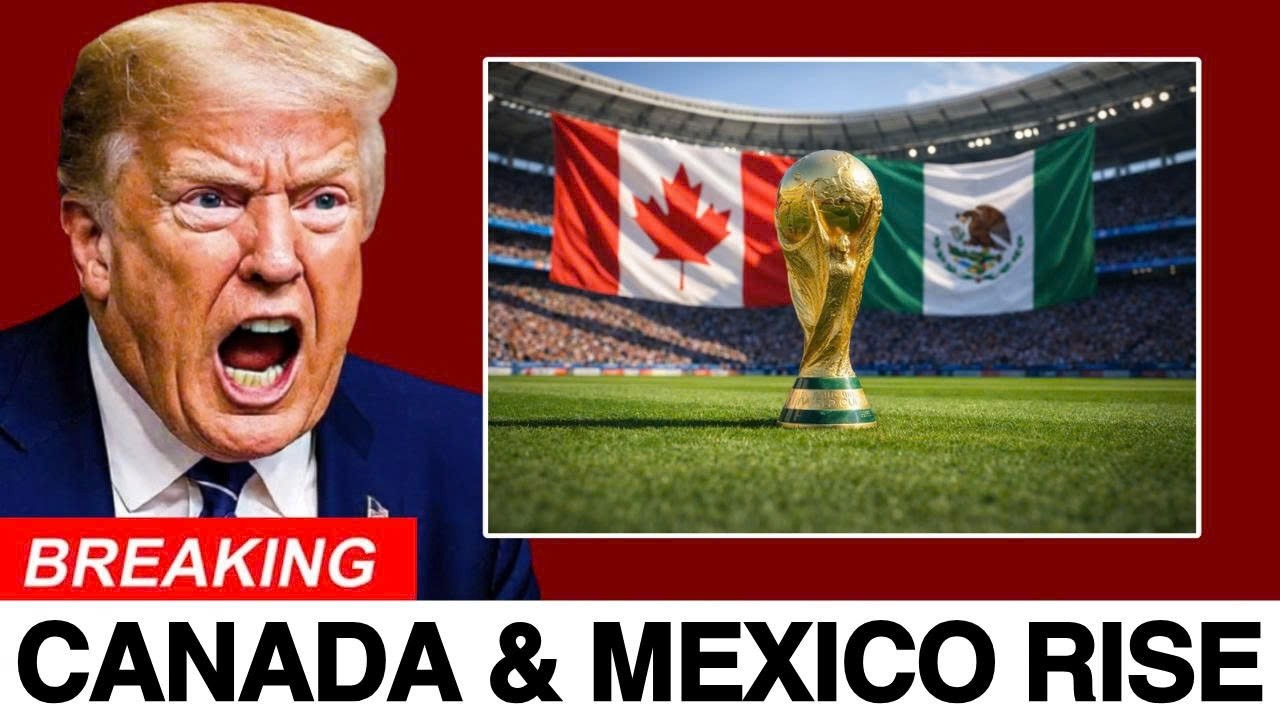
While Washington debates, its partners to the north and south have moved forward with quieter confidence.
Canada has committed federal funds toward tournament legacy initiatives and confirmed that fan festivals in Toronto and Vancouver are on schedule. Mexico has reinforced security in Mexico City, Guadalajara and Monterrey, receiving public affirmation from FIFA in early 2026 that preparations are on track. Travel platforms report strong demand for matches outside the United States, where some cities have scaled back fan events amid concerns over security costs and uncertain attendance.
Sponsors, too, are watching closely. Brand activations appear increasingly focused on Canadian and Mexican markets, a calculation that reflects business pragmatism rather than ideology. Empty seats and administrative confusion offer little return on multimillion-dollar marketing campaigns.
The broader question is one of soft power. Hosting a World Cup is not merely about stadium capacity or transportation networks. It is about projecting an image: openness, stability, hospitality. In 1994, the United States used the tournament to introduce itself to a global football audience. In 2026, it confronts a different challenge — reassuring that audience that it remains accessible.
None of this guarantees failure. The United States retains formidable infrastructure, experienced organizers and some of the world’s largest sports venues. The opening whistle will still blow in Mexico City. The final will still crown a champion in New Jersey. Billions will watch.
But the narrative surrounding the tournament has shifted. What was once a story of continental cooperation now carries the undertone of political strain. For Canada and Mexico, the World Cup offers an opportunity to showcase reliability and warmth. For the United States, it presents a more complicated test: whether it can balance security and sovereignty with the spirit of global welcome that international sport demands.
In less than three months, the games will begin. Whether World Cup 2026 becomes a triumphant celebration of North American partnership or a cautionary tale about reputation in a divided era will not be decided by goals alone. It will be shaped by who is able to cross a border, who feels invited, and what the world sees when it looks toward the stands.